
By Marvin Gandis
One of the most dangerous ways to fall behind in life is to stop learning.
The world changes. Technology changes. Business changes. The way people work changes. The way we communicate changes. Opportunities change.
But many people want new results with old skills.
They want more income, but they do not develop new abilities. They want better opportunities, but they do not prepare. They want financial freedom, but they do not learn how to manage, sell, communicate, create value, or adapt to the times.
In this sixth part of the series “The Reverse Question,” we will reflect on a simple but powerful truth: the person who stops learning begins to limit their future.
- This is not about having perfect degrees.
- This is not about knowing everything.
- This is not about comparing yourself to anyone.
It is about keeping a teachable, humble, and willing mind.
The world does not wait for those who stay the same
Many people live as if the world will stay the same forever. But reality is different.
- What worked ten years ago may not work the same way today.
- What used to be enough may not be enough tomorrow.
- What once felt secure can change suddenly.
Today, there are new tools, new platforms, new business models, new ways to sell, new ways to learn, and new opportunities for those willing to prepare.
The problem is not that the world changes. The problem is refusing to change while the world keeps moving forward.
Lack of skills creates dependency
When a person does not develop skills, they depend too much on one income source, one opportunity, one company, one person, or one circumstance.
- They depend on the boss giving them an opportunity.
- They depend on the economy improving.
- They depend on someone rescuing them.
- They depend on things not changing.
- They depend on others deciding for them.
But a person with skills has more options.
- They can adapt.
- They can offer services.
- They can solve problems.
- They can start a business.
- They can sell.
- They can teach.
- They can create content.
- They can use digital tools.
- They can increase their value in the marketplace.
Skills do not eliminate every problem, but they increase the ability to respond better.
Learning does not end in school
Many people believe learning belongs to the past: school, college, an old course, or an earlier stage of life.
But life itself is a school.
- Every problem can teach.
- Every mistake can teach.
- Every failure can teach.
- Every customer can teach.
- Every conversation can teach.
- Every book can teach.
- Every tool can teach.
- Every attempt can teach.
Continuous learning is an attitude. It is the decision not to live closed, proud, or resigned.
- A person who keeps learning keeps growing.
- A person who believes they already know everything begins to stop.
Skills are seeds of opportunity
One skill can change a life.
- Learning to communicate better can open doors.
- Learning sales can increase income.
- Learning personal finance can reduce chaos.
- Learning digital marketing can help promote a business.
- Learning artificial intelligence can improve productivity.
- Learning leadership can influence others better.
- Learning to write can help educate, sell, or inspire.
- A learning organization can reduce stress.
- Learning customer service can improve results.
Each new skill is a seed. It may not produce fruit immediately, but if practiced with discipline, it can become an opportunity.
Pride can also make a person poorer
Sometimes a person does not learn because they believe they already know enough.
- They do not ask.
- They do not listen.
- They do not accept correction.
- They do not study.
- They do not update their knowledge.
- They do not recognize their weaknesses.
- They do not allow anyone to teach them.
Pride closes doors that humility could open.
A humble mind says:
- “I can still learn.”
- “I can still improve.”
- “I can still correct.”
- “I can still ask for help.”
That attitude is powerful because it keeps the person growing.
The fear of learning new things
Many people do not learn because they are afraid.
- Afraid of feeling ignorant.
- Afraid of making mistakes.
- Afraid of technology.
- Afraid of starting late.
- Afraid of not understanding.
- Afraid that others will laugh.
- Afraid of failing again.
But nobody is born knowing everything. Every expert was once a beginner. Every skill began with discomfort. Every breakthrough began with a first attempt.
Refusing to learn because of fear is allowing fear to decide the future.
The question should not be:
“What if I fail?”
The question should be:
“What could happen if I never learn?”
Important skills for building a better future
Not everyone needs to learn the same things, but some skills can help almost anyone grow.
1. Financial education
Learning how to manage money, create a budget, reduce debt, save, invest carefully, and make better financial decisions.
2. Communication
Knowing how to express ideas, listen, write clear messages, negotiate, explain, and connect with other people.
3. Sales
Selling is not manipulation. Selling is knowing how to present value, solve problems, and help others make informed decisions.
4. Digital marketing
Learning how to share messages, create content, build an audience, use platforms, attract prospects, and communicate offers ethically.
5. Artificial intelligence and technology
Using modern tools to research, organize ideas, create content, automate tasks, and improve productivity.
6. Leadership
Learning how to influence by example, serve, guide, build teams, and take responsibility.
7. Problem solving
People who solve problems become valuable. Where there are problems, there are also opportunities to serve.
8. Time management
Time used poorly makes life poorer. Time organized wisely builds.
Learning without applying does not transform
Learning is important, but applying is also important.
Some people buy courses, save videos, read quotes, listen to audios, and take notes, but never execute.
That creates an illusion of progress.
Learning without action is like storing seeds without planting them.
Transformation happens when what is learned is practiced.
- Read, but apply.
- Listen, but act.
- Study, but produce.
- Learn, but correct.
- Research, but execute.
One small applied action is worth more than a large amount of unused information.
How to begin learning new skills
You do not need to change your entire life in one day. You can begin with small and consistent steps.
- Choose one important skill.
- Dedicate 20 or 30 minutes a day.
- Look for reliable resources.
- Take notes.
- Practice what you learn.
- Make mistakes without quitting.
- Measure your progress.
- Apply it in a real project.
- Look for people who know more.
- Repeat until you improve.
Consistency turns learning into ability.
The skill you need most may be connected to your current problem
Many times, the problem you are facing reveals the skill you need to develop.
- If your finances are disorganized, you need financial education.
- If you are not selling, you need sales and communication.
- If nobody sees your message, you need marketing and content creation.
- If you lack time, you need organization.
- If you struggle to move forward, you need discipline.
- If you do not know how to use digital tools, you need technology training.
- If you struggle to lead, you need to develop leadership.
Problems can be signals. They show where you need to grow.
The future belongs to those who keep learning
- The person who learns adapts.
- The person who adapts survives change better.
- The person who practices improves.
- The person who improves creates more value.
- The person who creates more value increases their opportunities.
The most talented person does not always win. Many times, the person who moves forward is the one who is more teachable, consistent, and willing to improve.
Continuous learning is a form of humility, but it is also a form of preparation.
Conclusion
Refusing to learn new skills can make a person’s future poorer. Not always immediately, but gradually.
While the world moves forward, the person who refuses to learn becomes more vulnerable, more dependent, and less prepared for opportunities.
My dear reader or friend, your age, your story, and your past mistakes do not have to stop you. You can still learn. You can still improve. You can still develop a skill that changes your direction.
You do not need to know everything. You only need to begin.
Learn something useful. Practice something new. Improve an ability. Ask for help. Use your time better. Develop value.
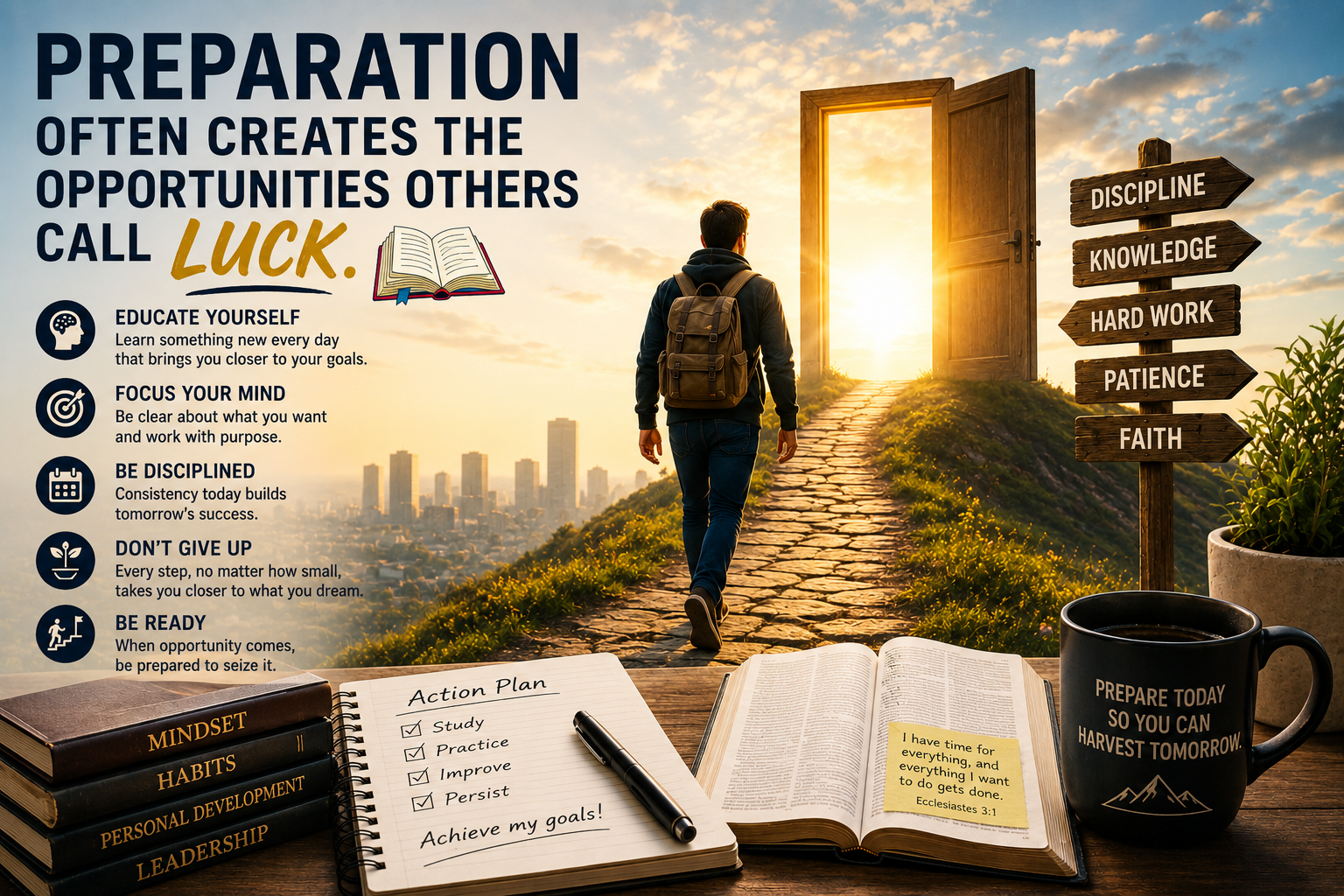
Because every skill you develop can become a door.
And an open door can change your future.
Disclaimer
This article is for educational, reflective, and informational purposes only. It should not be interpreted as financial, legal, professional, academic, employment, or investment advice. The purpose of this content is to encourage awareness about continuous learning, skill development, adaptation, discipline, and personal responsibility.
Every person’s circumstances are different. Access to education, technology, time, resources, family support, employment opportunities, and economic conditions can vary widely. Learning new skills may increase opportunities, but it does not guarantee income, employment, financial success, or specific results.
This content is not intended to judge, blame, or shame anyone facing educational, economic, technological, or personal limitations. Before making important decisions related to studies, career, business, investments, professional changes, or personal finances, it is recommended to consult qualified professionals.
The information shared is intended to inspire reflection, preparation, and responsible action.
Debe estar conectado para enviar un comentario.