
By Marvin Gandis
For many years, a large part of digital marketing was measured through one simple idea:
- The last source used before a purchase receives the credit.
When a person clicked an advertisement, visited a page, and purchased, the system attributed the conversion to that final click.
The model appeared reasonable because customer journeys were relatively short.
Consumer behavior has changed.
A person may now discover a brand through an article, watch a video several days later, consult an artificial intelligence tool, receive a private recommendation, switch devices, and eventually purchase through a direct search.
When this happens, the system may credit the entire conversion to the final link, even though trust was built through several earlier interactions.
This problem affects:
- Digital marketers
- Affiliate marketers
- Content creators
- Online entrepreneurs
- Digital-product sellers
- E-commerce businesses
- List builders
- Email marketers
- Network-marketing teams
Understanding the difference between attribution and influence is essential for evaluating campaigns, protecting commissions, and designing better customer journeys.
What Is Last-Click Attribution?
Last-click attribution is a system that assigns conversion credit to the final channel, advertisement, link, or source used before a purchase or registration.
For example:
- A person sees a Facebook post.
- Later, that person reads an article.
- Afterward, an email arrives.
- Finally, the person searches for the company on Google and purchases.
Under a last-click model, Google may receive all the credit.
The decision, however, probably did not begin there.
The social post may have created curiosity.
The article may have provided education.
The email may have strengthened trust.
The search merely completed the final step.
The central limitation
Last-click attribution shows where the journey ended, but it does not necessarily explain where it began or what moved it forward.
Attribution and Influence Are Not the Same
Although the terms are related, they represent different things.
Attribution
Attribution is the technical credit a platform assigns to an action.
It may be connected to:
- A link
- A cookie
- A campaign
- An advertisement
- A referral code
- A traffic source
- An email
Influence
Influence includes all the experiences that helped shape the customer’s decision.
It may include:
- An educational article
- A comparison
- A conversation
- A recommendation
- A video
- A story
- A testimonial
- An email sequence
- A demonstration
- An AI-generated answer
Attribution attempts to identify a measurable event.
Influence explains the educational and psychological process that created trust.
A simple distinction
Attribution identifies the last visible step.
Influence explains the steps that made the decision possible.
The Customer Journey Is No Longer Linear
The traditional funnel was often represented as:
Advertisement → Landing page → Purchase
A more realistic modern journey may look like:
Article → Video → AI tool → Social post → Private message → Email → Search → Purchase
Modern consumers:
- Research for longer periods
- Consult several sources
- Compare opinions
- Switch devices
- Save links
- Forward messages
- Ask private questions
- Seek validation before purchasing
One sale may therefore be influenced by five, ten, or more interactions.
How Artificial Intelligence Is Changing Discovery
Artificial intelligence tools are becoming a new entrance point for products, services, and companies.
A person may ask:
- Which email marketing platform is suitable for beginners?
- How can I protect important digital documents?
- Which affiliate program is appropriate for a new marketer?
- How do I build an email list?
- What should I consider before purchasing cloud storage?
An AI system may present brands, ideas, articles, and recommendations without creating a traditional affiliate click.
The user may remember the company name and search for it later.
In that case, the influence occurred during an AI conversation, while the conversion may appear as direct or organic traffic.
What this means for creators
Content should be designed not only to generate clicks but also to become a trustworthy source.
Strong educational content often includes:
- Direct answers
- Clear explanations
- Examples
- Comparisons
- Limitations
- Frequently asked questions
- Updated information
- Identified authorship
- Transparent disclosures
Switching Devices Can Break Tracking
It is common for someone to discover an offer on a phone and purchase later from a computer.
This switch can cause tracking problems because the system may not recognize the same user.
Example
- A person clicks a link on Instagram.
- The page is read on a phone.
- The person decides to research later.
- The company is searched from a computer.
- A purchase is completed.
The first click may have generated the sale, but the platform may record only the final search.
Consequence
The creator or affiliate who started the journey may not receive credit.
This is why marketers should not depend exclusively on traditional links or cookies.
Cookies No Longer Tell the Complete Story
Cookies remain important for digital tracking, but they have limitations.
They may be:
- Blocked
- Deleted
- Rejected
- Restricted by browsers
- Expired
- Unavailable across devices
- Interrupted by privacy settings
Some affiliate programs also use limited attribution windows.
When a purchase happens after that period, the commission may be lost even when the original recommendation was decisive.
Main lesson
Tracking links still matter, but they should be supplemented with other measurement methods.
Dark Traffic: Influence That Is Difficult to See
Dark traffic refers to visits whose true source cannot be identified accurately.
It may come from:
- Messenger
- Forwarded emails
- Private groups
- Mobile applications
- Downloaded documents
- Copied links
- Personal conversations
- Screenshots
- Artificial intelligence tools
Many of these visits appear as direct traffic.
Direct traffic does not always mean the person independently typed the web address.
It may simply mean that the analytics system lost the source.
Example
A reader shares an article through WhatsApp.
A second person opens the link and later visits the site directly.
The analytics platform may not recognize that the journey began with the article.
How an Affiliate Commission Can Be Lost
A commission may disappear even when an affiliate generated the original interest.
This can happen when:
- The prospect changes devices
- The cookie expires
- Browser history is deleted
- Private browsing is used
- Another affiliate link replaces the first
- The purchase occurs outside the attribution window
- A form removes the referral identifier
- The user changes language or page
- A button leads to an untracked URL
- Registration is completed manually
- The trial and purchase occur on different dates
The most important question
It is not enough to confirm that a link opens the correct page.
Marketers should also confirm:
Does the referral identity remain attached from the first click through the final conversion?
How to Test a Funnel Properly
Before investing money or sending large amounts of traffic, the complete journey should be tested.
Mobile test
- Open the link
- Complete the form
- Confirm registration
- Review the email received
- Verify the recorded source
Desktop test
Repeat the process using another test address.
Private-browser test
This helps reveal cookie-related problems.
Cross-device test
Begin on a phone and finish on a computer.
Delayed-conversion test
Wait several days before completing the conversion.
Test every button
Review:
- Header buttons
- Menu links
- Main calls to action
- Forms
- Text links
- Popups
- Thank-you pages
- Follow-up emails
- Purchase buttons
One incorrect link can affect a meaningful percentage of conversions.
How to Measure Beyond the Last Click
No technical system captures every form of influence.
Several methods should therefore be combined.
Ask the prospect
A simple question can reveal valuable information:
How did you first hear about this service?
Possible options include:
- YouTube
- An article
- A friend
- An artificial intelligence tool
- Another source
The phrase “first hear” matters because it identifies the beginning of the journey.
Use channel-specific links
Create separate links for:
- Social media
- Articles
- Videos
- Paid campaigns
- Messaging
Use referral words or codes
Examples include:
- ARTICLE
- VIDEO
- GUIDE
Record conversations
When someone says, “I read your article” or “a friend told me about this,” that statement is also attribution data.
Why Building an Email List Matters
An email list helps preserve the relationship after the first interaction.
Without a list, a visitor may disappear after reading an article or watching a video.
With a list, marketers can:
- Continue educating
- Address objections
- Share examples
- Send reminders
- Introduce an offer later
- Identify interest levels
Email connects interactions
Although it does not solve every attribution problem, a subscription helps connect:
- The initial source
- The downloaded resource
- Opened emails
- Selected links
- Registration date
- Final decision
List building is not only about selling.
It also helps explain the prospect’s journey.
Every Piece of Content Should Offer Two Paths
Not every reader is ready to purchase.
Effective content can offer two options.
Immediate path
For the ready person:
- Purchase
- Register
- Start a trial
- Request information
- Book a consultation
Educational path
For the person who is still researching:
- Download a guide
- Subscribe
- Read another article
- Receive an educational sequence
- Ask a question
This model prevents the loss of people who need more time.
Metrics That Truly Matter
Clicks should not disappear from reporting, but they should not be examined alone.
Discovery metrics
- New visitors
- Article views
- Video views
- Downloads
- Branded searches
Interest metrics
- Time on page
- Repeat visits
- Replies
- Questions
- Educational clicks
Relationship metrics
- New subscribers
- Conversations
- Email replies
- Information requests
Conversion metrics
- Registrations
- Trials
- Purchases
- Renewals
- Commissions
Influence metrics
- First reported source
- Last recorded source
- Number of interactions
- Time to purchase
- Role of email or private messaging
How to Build an Influence Dashboard
A complicated system is not required.
A spreadsheet may include:
| Date | First source | Last source | Content viewed | Subscription | Conversation | Registration | Purchase |
|---|
This record can reveal patterns such as:
- Which articles start the most conversations
- Which emails produce registrations
- How long prospects take to purchase
- Which channels create interest
- Which channels close sales
Mistakes to Avoid
Measuring only the final click
It does not reveal the whole journey.
Evaluating too quickly
Some conversions require time.
Using one link for every channel
This prevents useful comparison.
Failing to test forms
Invisible losses may result.
Ignoring private messaging
Many decisions happen outside analytics platforms.
Depending only on cookies
They do not work perfectly in every situation.
Failing to ask prospects
A direct answer may reveal important information.
Confusing attribution with influence
The credited channel is not always the most important one.
A Modern Measurement Strategy
The old formula was:
More traffic → More clicks → More sales
The modern strategy is more complete:
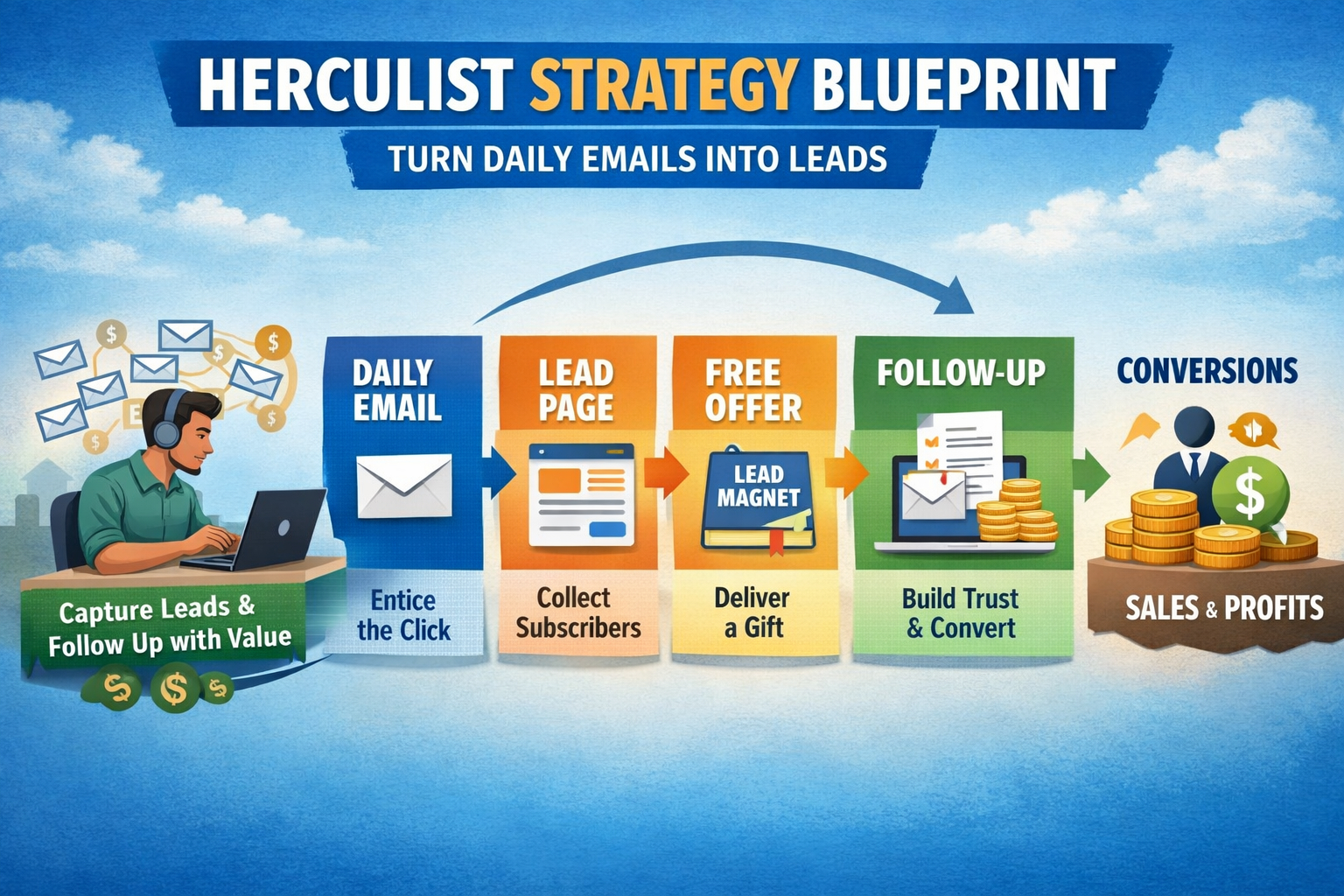
Useful content → Discovery → Education → Recognition → Subscription → Follow-up → Conversation → Conversion
Each stage contributes value.
Not every stage will be captured automatically.
Marketing technology should therefore be combined with questions, observation, and human follow-up.
Conclusion
Last-click attribution still has value.
It can help identify the final action before a conversion.
It should not, however, be treated as the complete explanation of customer behavior.
A purchase may begin with an article, advance through a video, receive validation from an AI tool, continue through email, and finish several days later through direct search.
The final link may receive technical credit.
The true influence belongs to the complete journey.
Modern marketers should:
- Measure several sources
- Test funnels
- Create channel-specific links
- Ask how discovery began
- Record conversations
- Build email lists
- Analyze time to conversion
- Compare attribution with influence
The question should no longer be only:
Which link produced the sale?
It should also be:
Which content, conversation, or experience created enough trust for the prospect to make a decision?
Understanding that difference can improve strategy, protect commissions, and reveal the real value of educational content.
Disclaimer
This article is provided for educational and informational purposes only. It does not constitute legal, financial, technical, or business advice. Attribution systems, cookie policies, privacy rules, and affiliate-program terms may change. Always consult the official policies of each platform. Traffic, lead-generation, sales, and commission results will vary.
Debe estar conectado para enviar un comentario.