Publicado en Attraction Marketing, Content Creation, 💼 Digital Marketing, Personal Branding, Social Media Strategy

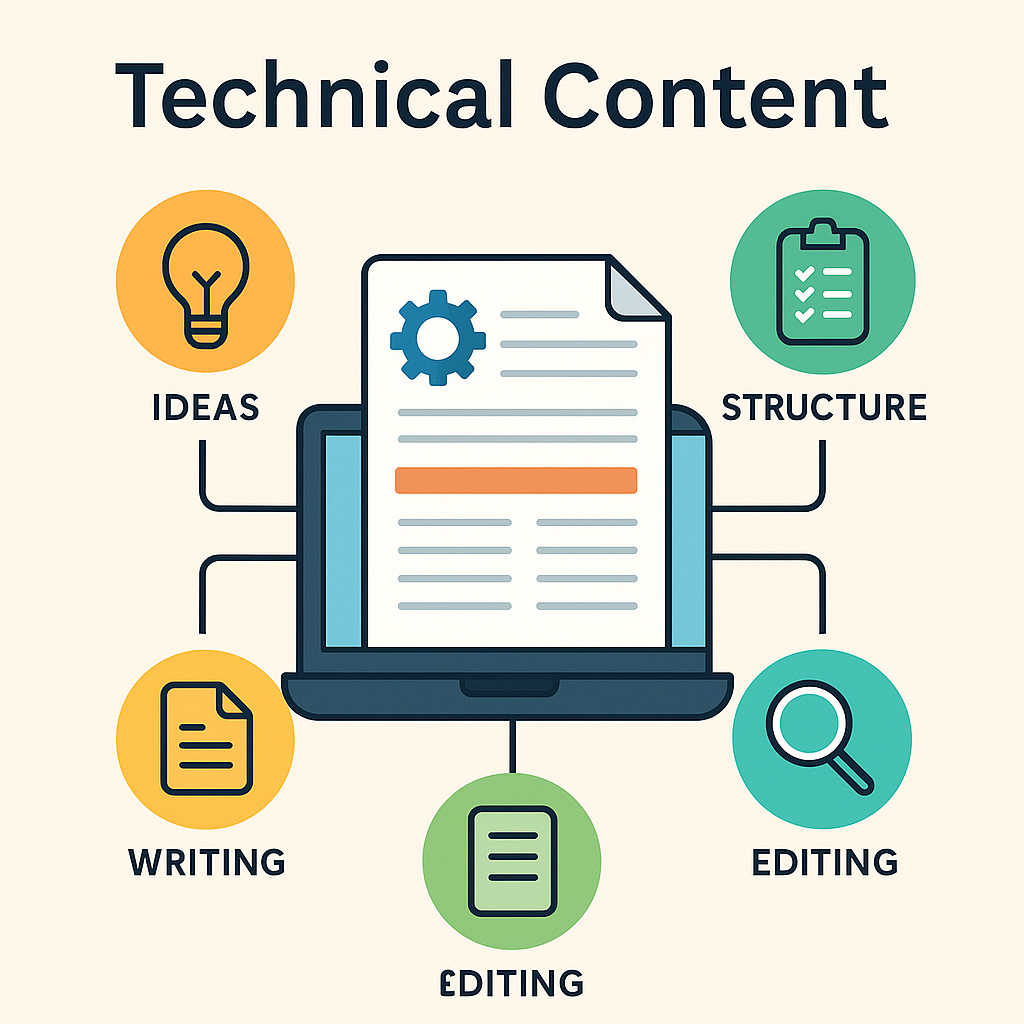
📝 Daily Content — What to Post and How to Post It

🔵 Lesson 5

One of the biggest challenges for new marketers is not the tools…


not the strategy…


not the niche…

It’s WHAT to post daily.

Most people struggle not because they lack ideas, but because they lack structure.

Daily content isn’t about posting randomly.


It’s about posting with purpose.

Your daily content has one mission:

To make your presence impossible to ignore.

In this lesson, you’ll learn exactly what to publish each day and how to make your message irresistible.


🎯 The True Purpose of Daily Content

Your daily content must accomplish three things:

1️⃣ Attract

Get strangers to stop scrolling and say:


“Who is this person?”

2️⃣ Connect

Make followers feel emotionally aligned with you.


“This person understands me.”

3️⃣ Convert

Build enough trust that your audience naturally sees you as a leader.


“I want to learn from them.”


🔱 The 4 Types of Daily Content (C.A.M.A. System)

Your daily posts should fall into one of these four categories:


1️⃣ C — Clarity Content

This is where you guide, lead, and provide direction.

Examples:

  • “Here’s the real reason people don’t get results.”
  • “If you’re a beginner, start here.”
  • “Avoid these mistakes.”

This positions you as a leader.


2️⃣ A — Emotional Attraction Content

This content shows your voice, heart, beliefs, and authenticity.

Examples:

  • Personal reflections
  • Motivational messages
  • Honest truths
  • Real-life insights

This content creates a connection.


3️⃣ M — Micro-Value Content

Short, simple, useful insights.

Examples:

  • Quick tips
  • Mini lessons
  • Short hacks
  • One-sentence wisdom

This content makes people say:


“I always learn something from you.”


4️⃣ A — Authority Content

This builds trust through evidence of growth, learning, or progress.

Examples:

  • Testimonials
  • Wins (even small ones)
  • Lessons learned today
  • Results from others you’ve helped

This content builds credibility.


🧩 Weekly Content Structure (Plug-and-Play)

Here’s a weekly framework used by top attraction marketers:


📅 MONDAY – Real Talk

Start the week strong with truth and direction.


Example: “Success starts when excuses stop.”


📅 TUESDAY – Micro-Value

Deliver a short, powerful tip.


Example: “Do one thing today, your future self will thank you for.”


📅 WEDNESDAY – Educational Post

Teach something practical.


Example: “3 mistakes beginners make.”


📅 THURSDAY – Storytelling

Use a short story to create an emotional connection.


Example: “I once felt lost too…”


📅 FRIDAY – Authority Social Proof

Share progress, results, or a lesson.


Example: “Here’s what I learned talking to a teammate today.”


📅 SATURDAY – Motivation

Light, emotional, uplifting content.


Example: “Keep going. Your future is counting on you.”


📅 SUNDAY – Reflection

Share a weekly insight.


Example: “This week taught me the power of consistency.”


🔥 The Secret of Magnetic Daily Content

The goal is NOT quantity.


The goal is NOT perfection.

The goal is:

Consistency + Authenticity + Emotion

Your content must:

✔ sound like you
✔ feel like you
✔ reflect your values
✔ express your mission
✔ show your humanity

That’s what makes your presence magnetic.


🎁 BONUS: Daily Writing Formulas

Use these to craft quick daily posts:

Formula 1 — Problem → Truth → Solution

Formula 2 — Story → Lesson → Action

Formula 3 — Fear → Reframe → Empower

Formula 4 — Mistake → Honesty → Direction

These formulas turn simple thoughts into powerful content.


🧲 Conclusion

Your content is your voice.


Your voice is your brand.


Your brand is your influence.

Posting daily is not a task — it’s a doorway:

✔ to leadership
✔ to connect
✔ to trust
✔ to attraction
✔ to opportunity

To become a magnetic marketer, you must create magnetic content.


⚠️ Disclaimer

This content is for educational and informational purposes only. It does not guarantee financial results. Success in marketing depends on personal effort, skills, consistency, and individual circumstances.

Publicado en Content Strategy, Digital Marketing, Keyword Research, SEO Fundamentals

How to Rank #1 in Google: A Comprehensive SEO Guide

In today’s digital era, ranking at the top of Google’s search results is the ultimate goal for businesses and individuals alike. With millions of websites vying for the coveted first position, mastering the art and science of search engine optimization (SEO) is crucial.

In this comprehensive guide, we’ll delve into the strategies, techniques, and best practices to help you achieve that #1 ranking on Google.


Understanding SEO and Its Importance

In the vast digital landscape, the term SEO or Search Engine Optimization often emerges as a buzzword. But what exactly is SEO, and why is it so crucial in today’s online-driven world? Let’s delve into the basics and understand the profound impact of SEO on your online presence.

What is SEO?

SEO, or Search Engine Optimization, is the practice of optimizing a website to enhance its visibility and ranking on search engine results pages (SERPs). In simpler terms, it’s the art and science of making your website more attractive to search engines like Google, Bing, and Yahoo, ensuring they rank your site higher when users search for relevant keywords.

Why is SEO Important?

The importance of SEO cannot be overstated, especially in the current digital landscape. Let’s explore some of the key reasons why SEO is crucial for businesses and individuals alike:

1. Increased Visibility

The primary objective of SEO is to improve your website’s visibility on search engines. When your website ranks higher on SERPs, it becomes more accessible to users, resulting in increased organic traffic. Higher visibility equates to more opportunities to attract potential customers or readers to your site.

2. Higher Quality Traffic

Organic search traffic is often of higher quality compared to other traffic sources. Why? Because users who find your website through organic search are typically actively looking for products, services, or information related to your business. This means they are more likely to engage with your content, make a purchase, or take the desired action on your site.

3. Cost-Effective Marketing Strategy

Unlike paid advertising methods, organic search traffic is free. While SEO requires an initial investment of time, effort, and sometimes money, the long-term benefits far outweigh the costs. Once you’ve achieved a high ranking, the organic traffic generated can provide a consistent and cost-effective stream of visitors to your website.

4. Builds Trust and Credibility

Websites that appear on the first page of search results are often perceived as more trustworthy and credible by users. By optimizing your website and achieving a higher ranking, you can build trust and credibility with your audience, ultimately leading to increased brand awareness and customer loyalty.

The Impact of Organic Search

Organic search plays a significant role in driving website traffic. According to various studies, the majority of website traffic comes from organic search, surpassing other traffic sources such as paid search, social media, and direct traffic. This highlights the importance of SEO in reaching a broader audience and driving consistent, high-quality traffic to your website.

The Evolution of SEO

Over the years, SEO has evolved significantly, adapting to changes in search engine algorithms, user behavior, and technological advancements. Today, SEO encompasses a wide range of strategies and practices, from keyword optimization and on-page SEO to link building and content marketing. Keeping up with the latest SEO trends and best practices is essential to maintaining and improving your website’s search engine rankings.


SEO is a fundamental component of digital marketing and an essential investment for any business or individual looking to establish a strong online presence. By optimizing your website and adhering to SEO best practices, you can improve your search engine rankings, increase organic traffic, and ultimately, achieve your online goals.

As we continue to navigate the ever-changing digital landscape, understanding and implementing effective SEO strategies will remain paramount. So, whether you’re a small business owner, a blogger, or a digital marketer, investing in SEO is investing in the future success and growth of your online endeavors.


Keyword Research: The Foundation of SEO

Keyword research is the cornerstone of any successful SEO strategy. It involves identifying the terms and phrases that people use when searching for information online. By understanding and targeting the right keywords, you can attract more organic traffic to your website and improve your search engine rankings. In this section, we’ll delve into the importance of keyword research and provide a step-by-step guide to help you conduct effective keyword research for your website.

Why is Keyword Research Important?

1. Understanding User Intent

Keyword research allows you to gain insights into what your target audience is searching for and why. By understanding user intent, you can create content that addresses their needs, questions, and problems, thereby increasing the chances of your website ranking higher in search results.

2. Attracting the Right Audience

Targeting the right keywords ensures that you attract the right audience to your website. By focusing on keywords that are relevant to your business or niche, you can drive high-quality, targeted traffic to your site, resulting in better engagement, higher conversion rates, and increased sales or leads.

3. Competitive Advantage

Analyzing keywords also provides insights into your competitors’ strategies. By identifying the keywords they are ranking for, you can identify gaps in your own strategy and opportunities to outperform them in search rankings.

Steps to Effective Keyword Research:

1. Identify Seed Keywords

Start by brainstorming a list of broad terms and phrases related to your business, products, or services. These are your seed keywords and will form the basis of your keyword research.

Example:

  • Online marketing
  • Digital marketing services
  • SEO tools
2. Use Keyword Research Tools

Utilize keyword research tools to expand your list of keywords, analyze search volume, competition, and identify long-tail keywords.

Popular Keyword Research Tools:

  • Google Keyword Planner
  • SEMrush
  • Ahrefs
  • Ubersuggest

Example:

  • Online marketing tools
  • Digital marketing strategies
  • SEO optimization tips
3. Analyze Search Intent

Understand the intent behind each keyword. Is it informational, transactional, or navigational?

  • Informational Keywords: Users are looking for information or answers to their questions.
    • Example: «How to do SEO»
  • Transactional Keywords: Users are ready to make a purchase or take a specific action.
    • Example: «Buy SEO tools online»
  • Navigational Keywords: Users are looking for a specific website or page.
    • Example: «OpenAI SEO guide»
4. Evaluate Keyword Difficulty and Search Volume

Choose keywords with a reasonable search volume and lower competition to increase your chances of ranking higher in search results.

  • Search Volume: The average number of searches for a specific keyword per month.
  • Keyword Difficulty: A metric that indicates how hard it is to rank for a particular keyword based on the competition.

Example:

  • Keyword: «SEO tips»
    • Search Volume: 10,000
    • Keyword Difficulty: Medium
5. Identify Long-Tail Keywords

Long-tail keywords are longer, more specific phrases that users type into search engines. These keywords often have lower search volume but higher conversion rates.

Example:

  • Long-Tail Keyword: «Best SEO optimization tips for small businesses»
6. Organize and Prioritize Keywords

Group your keywords into categories and prioritize them based on relevance, search volume, and competition.

Example:

  • Category: SEO Optimization
    • Keywords: SEO tips, SEO strategies, SEO optimization techniques

Keyword research is the foundation of SEO and plays a crucial role in driving organic traffic to your website. By conducting thorough keyword research and targeting the right keywords, you can enhance your website’s visibility, attract the right audience, and ultimately, achieve higher search engine rankings. Remember, SEO is a continuous process, and regularly updating your keyword strategy based on new trends and insights is essential for maintaining and improving your SEO performance.


On-Page SEO: Optimizing Your Website

On-page SEO is a critical component of search engine optimization that focuses on optimizing individual web pages to improve their search engine rankings and drive organic traffic. By optimizing various on-page elements, you can enhance the relevance and quality of your content, making it easier for search engines to understand and rank your website. In this section, we’ll explore the key on-page SEO factors and provide actionable tips to help you optimize your website effectively.

Key On-Page SEO Factors:

1. Title Tags

Title tags are HTML elements that specify the title of a web page. They are displayed as the clickable headline in search engine results and should be descriptive, concise, and include your target keyword.

Best Practices:

  • Keep the title under 60 characters.
  • Include your target keyword at the beginning of the title.
  • Write compelling and click-worthy titles to encourage user clicks.

Example: <title>On-Page SEO: The Ultimate Guide to Optimizing Your Website</title>

2. Meta Descriptions

Meta descriptions provide a brief summary of a web page’s content and appear below the title tag in search engine results. While meta descriptions are not a direct ranking factor, they can significantly impact click-through rates.

Best Practices:

  • Keep the meta description under 160 characters.
  • Include your target keyword naturally within the description.
  • Write compelling and informative meta descriptions that encourage users to click.

Example: <meta name="description" content="Learn how to optimize your website with our comprehensive guide to on-page SEO. Improve your search engine rankings and drive organic traffic today!">

3. Header Tags (H1, H2, H3, etc.)

Header tags are HTML elements used to structure content and provide a hierarchical outline of the page. They help search engines understand the structure and context of your content and should include your target keywords where relevant.

Best Practices:

  • Use a single H1 tag for the main title of the page.
  • Use H2, H3, etc., tags to organize and structure your content.
  • Include target keywords naturally within the header tags.

Example:

html Copy code

<h1>On-Page SEO: Optimizing Your Website</h1> <h2>Key On-Page SEO Factors</h2> <h3>Title Tags</h3>

4. Keyword Optimization

Incorporating your target keywords naturally and strategically within your content is crucial for on-page SEO. However, it’s essential to avoid keyword stuffing, as this can negatively impact your rankings.

Best Practices:

  • Use keywords naturally throughout the content.
  • Optimize image alt text, URLs, and internal links with relevant keywords.
  • Aim for a keyword density of 1-2% to maintain readability and avoid over-optimization.

Example:

  • Target Keyword: «On-Page SEO»
  • Good Usage: «In this comprehensive guide, we’ll explore the key on-page SEO factors and provide actionable tips…»
  • Bad Usage: «On-Page SEO is crucial for on-page SEO. In this on-page SEO guide, we’ll cover on-page SEO techniques…»
5. Quality and Relevant Content

Creating high-quality, relevant, and valuable content is essential for on-page SEO. Search engines prioritize content that provides value to users, answers their questions, or solves their problems.

Best Practices:

  • Conduct thorough research and provide accurate and up-to-date information.
  • Create comprehensive and in-depth content that addresses user queries effectively.
  • Use engaging and well-structured language to maintain user interest and readability.

On-page SEO plays a pivotal role in optimizing your website for search engines and improving its search engine rankings. By focusing on optimizing title tags, meta descriptions, header tags, keyword usage, and content quality, you can enhance the relevance, visibility, and user experience of your website. Remember, on-page SEO is an ongoing process, and regularly updating and optimizing your website’s on-page elements based on best practices and new insights is essential for maintaining and improving your SEO performance.


Off-Page SEO: Building Authority and Backlinks

Off-page SEO focuses on activities done outside of your website to improve your search engine rankings, primarily through link-building. Building high-quality backlinks and establishing authority in your industry are crucial off-page SEO strategies that can significantly impact your website’s visibility and search engine rankings. In this section, we’ll delve into the key off-page SEO strategies and provide actionable tips to help you build authority and acquire quality backlinks for your website.

Key Off-Page SEO Strategies:

1. Build High-Quality Backlinks

Backlinks are links from other websites to your website. They are a crucial off-page SEO factor as search engines view them as votes of confidence and credibility from other websites.

Best Practices:

  • Acquire backlinks from reputable and relevant websites in your industry.
  • Focus on building natural and organic backlinks through quality content and relationship-building.
  • Avoid spammy and low-quality backlinks, as they can harm your website’s rankings.

Example Strategies:

  • Guest Blogging: Write and publish articles on other reputable websites in your industry with a link back to your website.
  • Broken Link Building: Find broken links on other websites and offer your content as a replacement.
2. Establish Authority and Credibility

Establishing authority and credibility in your industry is essential for off-page SEO. Search engines prioritize websites that are recognized as authoritative and trustworthy sources of information.

Best Practices:

  • Create high-quality, valuable, and informative content that addresses your audience’s needs and questions.
  • Engage with your audience on social media, forums, and other online communities to build relationships and trust.
  • Collaborate with industry influencers, experts, and thought leaders to enhance your credibility and reach.

Example Strategies:

  • Participate in industry-specific forums and discussions, providing valuable insights and solutions to users’ problems.
  • Collaborate with industry influencers to co-create content, host webinars, or participate in podcasts.
3. Social Media Engagement

Social media engagement is another essential off-page SEO strategy that can help increase your website’s visibility, drive traffic, and improve search engine rankings.

Best Practices:

  • Promote your content, products, and services on social media platforms to reach a broader audience.
  • Encourage social sharing and engagement by creating shareable and engaging content.
  • Build relationships with influencers, followers, and industry peers through active participation and interaction.

Example Strategies:

  • Share blog posts, infographics, videos, and other content on social media platforms like Facebook, Twitter, LinkedIn, and Instagram.
  • Engage with your audience by responding to comments, messages, and mentions in a timely and professional manner.

Measuring Off-Page SEO Success:

To measure the success of your off-page SEO efforts, it’s essential to track and analyze various metrics using tools like Google Analytics and Google Search Console.

Key Metrics to Monitor:

  • Backlink Profile: Monitor the number, quality, and relevance of backlinks pointing to your website.
  • Domain Authority: Track your website’s domain authority using tools like Moz’s Domain Authority or Ahrefs’ Domain Rating.
  • Referral Traffic: Monitor the amount of traffic coming to your website from external sources, such as social media, forums, and other websites.
  • Social Engagement: Track likes, shares, comments, and other social media engagement metrics to gauge the effectiveness of your social media strategies.

Off-page SEO plays a pivotal role in enhancing your website’s visibility, authority, and search engine rankings. By focusing on building high-quality backlinks, establishing authority and credibility, and engaging with your audience on social media, you can significantly improve your off-page SEO performance and drive organic traffic to your website. Remember, off-page SEO is an ongoing process, and regularly implementing and refining your off-page SEO strategies based on best practices and new insights is essential for maintaining and improving your website’s search engine rankings and online presence.


Technical SEO: Ensuring a Smooth User Experience

Technical SEO focuses on optimizing the backend structure and foundation of your website to improve its readability and provide a better user experience. It involves various technical aspects that help search engines crawl, index, and rank your website more effectively. In this section, we’ll explore the key technical SEO elements and provide actionable tips to help you ensure a smooth user experience and enhance your website’s search engine rankings.

Key Technical SEO Elements:

1. Site Speed Optimization

Site speed is a critical factor in both user experience and search engine rankings. A slow-loading website can lead to higher bounce rates, decreased user engagement, and lower search engine rankings.

Best Practices:

  • Optimize image sizes and formats to reduce file sizes without compromising quality.
  • Minimize HTTP requests by reducing the number of elements on your web pages.
  • Leverage browser caching to store frequently used files locally on users’ devices.

Tools to Measure and Improve Site Speed:

  • Google PageSpeed Insights
  • GTmetrix
  • Pingdom
2. Mobile Optimization

With the increasing use of mobile devices to access the internet, mobile optimization is essential for providing a seamless user experience and improving search engine rankings.

Best Practices:

  • Implement a responsive web design that adapts to various screen sizes and devices.
  • Use mobile-friendly fonts, buttons, and clickable elements to enhance usability.
  • Ensure fast-loading mobile pages by optimizing images, scripts, and other page elements.

Tools to Test Mobile Optimization:

  • Google Mobile-Friendly Test
  • Mobile-Friendly Test by Bing
3. XML Sitemap

An XML sitemap is a file that lists all the pages on your website and helps search engines crawl and index your site more efficiently.

Best Practices:

  • Create and submit an XML sitemap to search engines using Google Search Console or Bing Webmaster Tools.
  • Regularly update and maintain your XML sitemap to reflect changes and additions to your website.
  • Ensure all important pages are included in the sitemap and are accessible to search engines.

Example XML Sitemap Structure:

xml Copy code

<?xml version="1.0" encoding="UTF-8"?> <urlset xmlns="http://www.sitemaps.org/schemas/sitemap/0.9"> <url> <loc>https://www.example.com/</loc> <lastmod>2022-03-24</lastmod> <changefreq>daily</changefreq> <priority>1.0</priority> </url> <url> <loc>https://www.example.com/about</loc> <lastmod>2022-03-24</lastmod> <changefreq>monthly</changefreq> <priority>0.8</priority> </url> </urlset>

4. SSL Certificate and HTTPS

Implementing SSL (Secure Socket Layer) and using HTTPS (HyperText Transfer Protocol Secure) is essential for website security, user trust, and search engine rankings.

Best Practices:

  • Install an SSL certificate to encrypt data transmitted between the user’s browser and your website.
  • Use HTTPS instead of HTTP to ensure a secure and encrypted connection.
  • Update your website’s internal links, redirects, and canonical tags to use the HTTPS version of your URLs.

Example Redirect from HTTP to HTTPS:

htaccess Copy code

RewriteEngine On RewriteCond %{HTTPS} off RewriteRule ^(.*)$ https://%{HTTP_HOST}%{REQUEST_URI} [L,R=301]

Technical SEO is a crucial aspect of optimizing your website for search engines and ensuring a smooth and seamless user experience. By focusing on optimizing site speed, mobile optimization, XML sitemaps, and implementing SSL and HTTPS, you can improve your website’s search engine rankings, increase user satisfaction, and drive organic traffic. Remember, technical SEO is an ongoing process, and regularly auditing, maintaining, and updating your website’s technical aspects based on best practices and new insights is essential for maintaining and improving your website’s performance and online presence.


Content is King: Creating High-Quality, Relevant Content

In the world of SEO, the phrase «Content is King» couldn’t be more accurate. High-quality, relevant content is the cornerstone of any successful SEO strategy. Search engines prioritize content that provides value to users, answers their questions, or solves their problems. In this section, we’ll delve into the importance of content creation and provide actionable tips to help you create high-quality, relevant content that resonates with your audience and improves your search engine rankings.

Importance of High-Quality, Relevant Content:

1. Drives Organic Traffic

Creating valuable and relevant content that addresses the needs and interests of your target audience can significantly increase your website’s organic traffic. Search engines prioritize content that provides value to users, leading to higher rankings and increased visibility.

2. Increases User Engagement and Time Spent on Site

High-quality content can engage users and encourage them to spend more time on your website, reducing bounce rates, and improving user engagement metrics. This can signal to search engines that your website provides valuable and relevant content, leading to improved rankings.

3. Builds Authority and Credibility

Consistently producing high-quality, informative, and authoritative content can establish your website as a trusted source of information in your industry. This can enhance your website’s authority and credibility, leading to improved search engine rankings and increased user trust.

Tips for Creating High-Quality, Relevant Content:

1. Understand Your Audience

Understanding your target audience’s needs, interests, and preferences is essential for creating content that resonates with them. Conducting audience research and creating buyer personas can help you identify your audience’s pain points, questions, and interests, enabling you to create content that addresses their needs effectively.

2. Conduct Thorough Keyword Research

Incorporating relevant keywords naturally and strategically within your content is crucial for SEO. Conducting thorough keyword research can help you identify the terms and phrases your target audience is searching for, enabling you to optimize your content and improve its visibility in search engine results.

3. Create Valuable and Informative Content

Focus on creating content that provides real value to your audience, answers their questions, or solves their problems. Researching and providing accurate, up-to-date, and comprehensive information can help you establish your website as a trusted and authoritative source of information in your industry.

4. Optimize Content Structure and Formatting

Optimizing your content structure and formatting can enhance readability, user experience, and search engine rankings. Use clear and concise headings, subheadings, bullet points, and paragraphs to structure your content effectively and make it easier for users and search engines to understand and navigate.

5. Encourage User Engagement and Interaction

Encouraging user engagement and interaction with your content can improve user experience, reduce bounce rates, and increase time spent on your site. Encourage users to comment, share, and interact with your content by asking questions, providing opportunities for discussion, and creating engaging and interactive content.

Creating high-quality, relevant content is essential for SEO success. By focusing on understanding your audience, conducting thorough keyword research, creating valuable and informative content, optimizing content structure and formatting, and encouraging user engagement and interaction, you can create content that resonates with your audience, improves search engine rankings, and drives organic traffic to your website. Remember, content is a continuous process, and regularly updating and optimizing your content based on new trends, insights, and audience feedback is essential for maintaining and improving your website’s performance, relevance, and online presence.


Local SEO: Optimizing for Local Search

Local SEO is a crucial strategy for businesses aiming to attract local customers and improve their visibility in local search results. With the increasing use of mobile devices and the growing emphasis on local search by search engines like Google, optimizing for local search has become more important than ever. In this section, we’ll explore the key local SEO strategies and provide actionable tips to help you optimize your website and online presence for local search.

Importance of Local SEO:

1. Increases Visibility in Local Search Results

Optimizing your website and online presence for local search can increase your visibility in local search results, making it easier for local customers to find and contact your business when they search for products or services you offer.

2. Drives Targeted Local Traffic

Local SEO focuses on attracting local customers who are more likely to visit your physical location or use your services. This targeted traffic can lead to higher conversion rates, increased sales, and improved ROI.

3. Enhances Online Presence and Credibility

Optimizing your Google My Business profile, obtaining positive customer reviews, and building local citations can enhance your online presence, credibility, and trustworthiness, leading to improved search engine rankings and increased customer trust.

Key Local SEO Strategies:

1. Optimize Google My Business Profile

Google My Business (GMB) is a free tool provided by Google that allows businesses to manage their online presence across Google, including search and maps. Optimizing your GMB profile is essential for local SEO success.

Best Practices:

  • Claim and verify your Google My Business listing.
  • Provide accurate and up-to-date information about your business, including name, address, phone number, and business hours.
  • Choose the correct business category and add high-quality images and videos of your business.
2. Build Local Citations

Local citations are mentions of your business on other websites and directories, such as Yelp, Yellow Pages, and local chamber of commerce websites. Building consistent and accurate local citations can improve your local search rankings and enhance your online presence.

Best Practices:

  • Ensure NAP (Name, Address, Phone Number) consistency across all citations and your website.
  • Claim and update your business listings on relevant local directories and review websites.
  • Encourage satisfied customers to leave positive reviews and ratings on your Google My Business profile and other review websites.
3. Optimize Website for Local Keywords

Incorporating local keywords naturally within your website’s content, meta tags, and URLs can help you rank higher in local search results and attract local customers.

Best Practices:

  • Conduct keyword research to identify local keywords relevant to your business and target audience.
  • Incorporate local keywords naturally within your website’s content, meta titles, meta descriptions, and URLs.
  • Create location-specific pages and content to target local search queries and improve local search visibility.
4. Build Quality Backlinks from Local Websites

Acquiring high-quality backlinks from local websites, blogs, and news outlets can improve your website’s authority, relevance, and trustworthiness in local search results.

Best Practices:

  • Reach out to local bloggers, influencers, and news outlets to build relationships and earn backlinks.
  • Sponsor local events, charities, or organizations and request a backlink from their website.
  • Participate in local community events, workshops, and seminars and promote your involvement on your website and social media platforms.

Local SEO is essential for businesses aiming to attract local customers and improve their visibility in local search results. By optimizing your Google My Business profile, building local citations, incorporating local keywords within your website’s content, and building quality backlinks from local websites, you can enhance your online presence, increase local search visibility, and attract targeted local traffic to your website and physical location. Remember, local SEO is an ongoing process, and regularly updating and optimizing your local SEO strategies based on best practices, new trends, and insights is essential for maintaining and improving your website’s local search rankings, visibility, and online presence.


Measuring Success: Using Google Analytics to Track Rankings

Measuring the success of your SEO efforts is crucial to understanding the effectiveness of your strategies and identifying areas for improvement. Google Analytics is a powerful tool that can provide valuable insights into your website’s performance, organic traffic, and keyword rankings. In this section, we’ll explore how to use Google Analytics to track your SEO rankings and measure the success of your SEO campaigns effectively.

Importance of Measuring SEO Success:

1. Evaluates the Effectiveness of SEO Strategies

Measuring SEO success allows you to evaluate the effectiveness of your SEO strategies and identify which tactics are driving results and which ones need improvement or adjustment.

2. Identifies Opportunities for Improvement

Analyzing SEO metrics and performance data can help you identify opportunities for improvement, optimize your strategies, and enhance your website’s search engine rankings and organic traffic.

3. Demonstrates ROI and Business Impact

Measuring and reporting SEO success using data and analytics can help demonstrate the ROI and business impact of your SEO efforts, justify investment in SEO, and gain support and buy-in from stakeholders and decision-makers.

Key Metrics to Track in Google Analytics:

1. Organic Traffic

Organic traffic refers to the number of visitors coming to your website from organic search results. Monitoring organic traffic can help you understand the impact of your SEO efforts on website traffic and user engagement.

How to Track:

  • Navigate to Acquisition > All Traffic > Channels > Organic Search in Google Analytics to view organic traffic data.
2. Keyword Rankings

Monitoring keyword rankings can help you understand how well your website is ranking for target keywords and phrases in search engine results.

How to Track:

  • Use Google Search Console to monitor keyword rankings and performance data.
  • Navigate to Performance > Queries in Google Search Console to view keyword rankings, impressions, clicks, and click-through rate.
3. Bounce Rate

Bounce rate refers to the percentage of visitors who navigate away from your website after viewing only one page. Monitoring bounce rate can help you evaluate the quality and relevance of your content and user experience.

How to Track:

  • Navigate to Behavior > Site Content > Landing Pages in Google Analytics to view bounce rate data for individual pages.
4. Average Session Duration

Average session duration refers to the average amount of time visitors spend on your website during a single session. Monitoring average session duration can help you evaluate user engagement and content quality.

How to Track:

  • Navigate to Behavior > Overview in Google Analytics to view average session duration data.

Tips for Measuring SEO Success:

1. Set Clear and Specific Goals

Setting clear and specific goals for your SEO campaigns, such as increasing organic traffic by 20% or improving keyword rankings for target keywords, can help you measure and evaluate SEO success effectively.

2. Create Custom Dashboards and Reports

Creating custom dashboards and reports in Google Analytics can help you visualize and monitor key SEO metrics and performance data, making it easier to track progress, identify trends, and make data-driven decisions.

3. Regularly Monitor and Analyze Data

Regularly monitoring and analyzing SEO data and performance metrics can help you identify trends, opportunities, and issues, optimize your strategies, and improve your website’s search engine rankings and organic traffic.

Measuring SEO success using Google Analytics is essential for understanding the effectiveness of your SEO strategies, identifying opportunities for improvement, and demonstrating ROI and business impact. By tracking key metrics such as organic traffic, keyword rankings, bounce rate, and average session duration, setting clear and specific goals, creating custom dashboards and reports, and regularly monitoring and analyzing data, you can effectively measure and evaluate SEO success, optimize your strategies, and improve your website’s search engine rankings, visibility, and organic traffic. Remember, SEO measurement is an ongoing process, and regularly reviewing and adjusting your SEO strategies based on data, insights, and performance metrics is essential for achieving and maintaining SEO success and driving continuous improvement and growth.


Conclusion

Achieving and maintaining a high-ranking position on Google is a multifaceted endeavor that requires a comprehensive and well-rounded approach to SEO. From conducting thorough keyword research and creating high-quality, relevant content to optimizing on-page elements, building authority through off-page SEO, ensuring a smooth technical experience, and targeting local search, each aspect plays a critical role in improving your website’s visibility and search engine rankings.

Google Analytics serves as an invaluable tool for tracking and measuring the success of your SEO efforts, providing insights into key metrics such as organic traffic, keyword rankings, bounce rate, and average session duration. By setting clear and specific goals, creating custom dashboards and reports, and regularly monitoring and analyzing data, you can effectively measure and evaluate SEO success, optimize your strategies, and drive continuous improvement and growth.

Final Tips for Ranking #1 on Google:

1. Prioritize User Experience

  • Ensure your website is mobile-friendly, easy to navigate, and provides a seamless and enjoyable user experience to visitors.

2. Focus on Quality Over Quantity

  • Prioritize creating high-quality, relevant, and valuable content that addresses the needs, questions, and interests of your target audience.

3. Build Quality Backlinks

  • Focus on acquiring high-quality backlinks from reputable and relevant websites to enhance your website’s authority, relevance, and trustworthiness.

4. Optimize for Voice Search and Featured Snippets

  • Adapt your SEO strategies to accommodate the growing prevalence of voice search and optimize your content for featured snippets to improve visibility in search results.

5. Stay Updated with SEO Trends and Best Practices

  • Stay informed about the latest SEO trends, algorithm updates, and best practices to ensure your strategies remain effective, relevant, and compliant with search engine guidelines.

6. Monitor and Analyze SEO Performance Regularly

  • Utilize Google Analytics and other SEO tools to regularly monitor, analyze, and evaluate SEO performance, identify opportunities for improvement, and optimize your strategies accordingly.

7. Be Patient and Persistent

  • SEO is a long-term investment, and achieving significant results and improvements in search engine rankings and organic traffic may take time. Be patient, persistent, and consistent in implementing and refining your SEO strategies and efforts.

By implementing these final tips and incorporating the strategies and best practices outlined in this guide, you can enhance your website’s visibility, improve search engine rankings, and ultimately, rank #1 on Google for your target keywords and queries.

Remember, SEO is an ongoing process, and regularly updating and optimizing your strategies based on new trends, insights, and data is essential for maintaining and improving your website’s performance, relevance, and online presence in the competitive landscape of search engine optimization.


Books and Reading Materials on SEO and Digital Marketing

Here are some highly recommended books and reading materials on SEO and digital marketing that can help you deepen your understanding and expertise in the field:

Books on SEO:

  1. «SEO 2024: Learn Search Engine Optimization with Smart Internet Marketing Strategies» by Adam Clarke
    • This book provides a comprehensive guide to SEO, covering the latest strategies, techniques, and best practices to improve your website’s visibility and search engine rankings.
  2. «The Art of SEO: Mastering Search Engine Optimization» by Eric Enge, Stephan Spencer, and Jessie Stricchiola
    • Widely regarded as the ultimate guide to SEO, this book covers everything from basic to advanced SEO strategies, technical SEO, link building, and content optimization.
  3. «SEO for Dummies» by Peter Kent
    • A beginner-friendly book that offers a straightforward and easy-to-understand introduction to SEO, covering the fundamentals, tools, and techniques to help you improve your website’s search engine rankings.
  4. «The SEO Blueprint: How to Get More Organic Traffic Right Now» by Tom Casano
    • This book provides a step-by-step blueprint and actionable strategies to help you increase organic traffic, improve search engine rankings, and achieve SEO success.

Books on Digital Marketing:

  1. «Digital Marketing For Dummies» by Ryan Deiss and Russ Henneberry
    • A comprehensive guide to digital marketing, covering SEO, content marketing, social media marketing, email marketing, and more, to help you create and implement successful digital marketing campaigns.
  2. «Influence: The Psychology of Persuasion» by Robert B. Cialdini
    • This book explores the psychology behind persuasion and influence, providing valuable insights and techniques that can be applied to digital marketing and SEO to enhance user engagement and conversion rates.
  3. «Contagious: How to Build Word of Mouth in the Digital Age» by Jonah Berger
    • A fascinating book that delves into the science of viral marketing and word-of-mouth, offering insights and strategies to create and promote content that resonates with audiences and encourages sharing and engagement.
  4. «Made to Stick: Why Some Ideas Survive and Others Die» by Chip Heath and Dan Heath
    • This book examines the characteristics of ideas that are memorable and persuasive, providing valuable insights and principles that can be applied to content creation, storytelling, and digital marketing strategies to enhance engagement and conversion rates.

Online Resources and Blogs:

  1. Moz Blog
    • A leading resource for SEO tips, strategies, and insights, offering a wealth of articles, guides, and tools to help you stay updated with the latest SEO trends and best practices.
  2. Search Engine Land
    • A reputable source for news, updates, and insights on search engine marketing and optimization, providing comprehensive coverage of SEO, PPC, and digital marketing topics.
  3. Neil Patel’s Blog
    • A popular digital marketing blog offering a wide range of articles, guides, and resources on SEO, content marketing, social media marketing, and more, by renowned digital marketing expert Neil Patel.
  4. Backlinko Blog
    • A valuable resource for advanced SEO tips, techniques, and case studies, providing actionable insights and strategies to help you improve your website’s search engine rankings and organic traffic.

Note:

Whether you’re a beginner looking to learn the basics of SEO or an experienced professional seeking to refine and optimize your strategies, these books and resources offer valuable insights, tips, and techniques to help you enhance your knowledge, skills, and expertise in SEO and digital marketing. Reading and studying these materials can provide you with a solid foundation and comprehensive understanding of SEO and digital marketing principles, strategies, and best practices, enabling you to create and implement successful SEO campaigns, improve search engine rankings, drive organic traffic, and achieve business growth and success in the competitive digital landscape.

Publicado en Digital Marketing, Email Marketing, List Building

Mastering List Building & Lead Generation: The Key to Business Growth

Ready to supercharge your business growth through effective list building and lead generation? Start implementing the strategies outlined in this guide today and watch your audience expand, engagement soar, and revenue multiply. Don’t miss out on the opportunity to harness the power of email marketing and propel your business to new heights!


This guide is tailored for:

  • Entrepreneurs and Small Business Owners looking to expand their customer base and increase revenue.
  • Marketing Professionals seeking to enhance their lead generation strategies and optimize conversion rates.
  • Content Creators interested in leveraging their content for list building and lead generation purposes.
  • E-commerce Businesses aiming to grow their subscriber lists and drive repeat purchases.
  • Anyone interested in mastering the art of list building and lead generation to propel their business forward in the digital landscape.

Understanding List Building & Lead Generation

List building and lead generation are essential components of any successful marketing strategy, particularly in the digital age where businesses rely heavily on online channels to reach and engage their target audience. Understanding the fundamentals of list building and lead generation is crucial for businesses looking to expand their reach, nurture relationships with prospects, and drive conversions.

Let’s explore these concepts in more detail:

List Building:

List building refers to the process of creating and growing a database of contacts, typically email addresses, belonging to individuals who have voluntarily opted in to receive communication from your business. Building an email list allows businesses to establish direct communication channels with their audience, enabling them to send targeted messages, promotions, and updates to subscribers’ inboxes.

Key Aspects of List Building:

  1. Opt-in Mechanisms: Encourage website visitors, social media followers, and other prospects to subscribe to your email list through various opt-in mechanisms such as sign-up forms, pop-ups, lead magnets, and gated content.
  2. Value Proposition: Offer valuable incentives or benefits to entice users to subscribe, such as exclusive content, discounts, freebies, or access to special promotions.
  3. Permission-Based Marketing: Ensure compliance with privacy regulations and best practices by obtaining explicit consent from subscribers before adding them to your email list. Respect subscribers’ preferences and provide clear opt-out options.
  4. Segmentation and Personalization: Segment your email list based on demographics, interests, behavior, or purchase history to deliver personalized and relevant content to different audience segments.
  5. Consistent Engagement: Maintain regular communication with your email subscribers by sending valuable and engaging content, newsletters, promotions, and updates to keep them informed and interested in your brand.

Lead Generation:

Lead generation encompasses the process of attracting and capturing potential customers or leads who have expressed interest in your products or services. The goal of lead generation is to identify and qualify prospects who are most likely to become paying customers, thereby driving revenue and business growth.

Key Aspects of Lead Generation:

  1. Lead Magnets: Offer compelling incentives or lead magnets to prospects in exchange for their contact information. Lead magnets can include eBooks, whitepapers, guides, webinars, free trials, or exclusive access to content or resources.
  2. Content Marketing: Create high-quality, informative, and engaging content that addresses the needs, pain points, and interests of your target audience. Distribute content through various channels such as blogs, social media, email marketing, and guest posting to attract and capture leads.
  3. Landing Pages: Design dedicated landing pages optimized for lead generation with clear and persuasive messaging, compelling visuals, and prominent calls-to-action (CTAs) that prompt visitors to take the desired action, such as subscribing to your email list or requesting more information.
  4. Lead Nurturing: Develop strategies and workflows to nurture leads throughout the customer journey, providing relevant content, education, and support to move them closer to making a purchase decision. Use email marketing automation, personalized communications, and targeted follow-up to engage and qualify leads over time.
  5. Measurement and Optimization: Track and analyze key metrics and performance indicators related to lead generation activities, such as conversion rates, lead quality, cost per lead, and return on investment (ROI). Continuously optimize your lead generation efforts based on data-driven insights to improve efficiency and effectiveness.

List building and lead generation are interconnected strategies that play a pivotal role in driving customer acquisition, engagement, and retention for businesses. By implementing best practices, leveraging technology and automation, and prioritizing the delivery of value to prospects and subscribers, businesses can build sustainable pipelines of leads and customers to fuel their growth and success.


Strategies for Effective List Building

  1. Create Compelling Lead Magnets: Offer valuable incentives such as eBooks, guides, templates, or exclusive access to webinars or courses in exchange for email sign-ups. Ensure that your lead magnets address the pain points of your target audience and provide actionable solutions.
  2. Optimize Website and Landing Pages: Design user-friendly and visually appealing landing pages with clear call-to-action buttons prompting visitors to subscribe. Implement exit-intent pop-ups or slide-ins to capture the attention of users who are about to leave your site.
  3. Utilize Multiple Opt-in Forms: Place opt-in forms strategically throughout your website, including in blog posts, sidebar widgets, footer sections, and dedicated landing pages. Experiment with different form designs, placements, and copy to maximize conversions.
  4. Offer Social Proof and Testimonials: Showcase testimonials, reviews, or social proof from satisfied customers to build credibility and trust. Highlight the benefits of subscribing to your email list and emphasize the value that subscribers will receive.
  5. Run Targeted Advertising Campaigns: Use social media advertising platforms like Facebook Ads or Google Ads to target specific demographics and interests relevant to your niche. Drive traffic to dedicated landing pages optimized for list building to capture leads effectively.
  6. Host Webinars or Virtual Events: Organize educational webinars or virtual events on topics related to your industry or niche. Require attendees to register with their email addresses, allowing you to capture leads while providing valuable content and building relationships with prospects.
  7. Implement Content Upgrades: Enhance your blog posts with content upgrades such as downloadable checklists, cheat sheets, or bonus resources related to the topic. Encourage readers to opt-in to access the additional content, thereby growing your email list.
  8. Collaborate with Influencers: Partner with influencers or industry experts to reach a wider audience and gain exposure. Offer to guest post on their blogs or participate in joint webinars or podcasts, leveraging their credibility and followers to attract new subscribers.
  9. Run Contests or Giveaways: Organize contests or giveaways with enticing prizes relevant to your target audience. Require participants to provide their email addresses for entry, expanding your list while generating buzz and engagement.
  10. Optimize for Mobile Devices: Ensure that your opt-in forms and landing pages are mobile-responsive and optimized for seamless user experience on smartphones and tablets. Mobile optimization is crucial for capturing leads from users accessing your site on mobile devices.

By implementing these strategies consistently and tracking your progress using analytics, you can effectively grow your email list and generate high-quality leads for your business. Remember to prioritize providing value to your subscribers and nurturing relationships through personalized and engaging email content to drive long-term success.


Utilizing Lead Magnets & Incentives

  1. Identify Your Audience’s Needs: Conduct market research to understand the pain points, challenges, and desires of your target audience. Develop lead magnets that directly address these needs and offer practical solutions or valuable insights.
  2. Create High-Quality Content: Invest time and resources in creating compelling lead magnets that provide genuine value to your audience. Whether it’s an in-depth eBook, a comprehensive guide, a webinar series, or a toolkit, prioritize quality over quantity to ensure maximum engagement and effectiveness.
  3. Design Eye-Catching Visuals: Enhance the visual appeal of your lead magnets with professional graphics, illustrations, and branding elements. Visuals not only grab attention but also convey professionalism and credibility, increasing the perceived value of your offer.
  4. Craft Irresistible Copy: Write persuasive copy that clearly communicates the benefits of your lead magnet and entices visitors to opt-in. Use persuasive language, compelling headlines, and persuasive calls-to-action to encourage action and drive conversions.
  5. Offer Exclusive Access or Discounts: In addition to informational content, consider offering exclusive access to premium resources, early bird discounts, or special promotions as incentives for subscribers. Limited-time offers and exclusivity can create a sense of urgency and incentivize sign-ups.
  6. Segment Your Offers: Tailor your lead magnets to different segments of your audience based on their interests, preferences, or buying stage. Personalizing your offers ensures relevance and increases the likelihood of conversion by delivering content that resonates with each subscriber.
  7. Promote Across Multiple Channels: Leverage your website, blog, social media platforms, email newsletters, and other marketing channels to promote your lead magnets and reach a wider audience. Consistent promotion ensures maximum visibility and engagement with your offers.
  8. Gate Valuable Content: Consider gating premium content behind an opt-in form to capture leads effectively. For example, you can offer a free chapter of an eBook, a preview of a webinar, or a sample lesson from a course, enticing visitors to exchange their email addresses for access to the full content.
  9. Test and Optimize Continuously: Monitor the performance of your lead magnets using analytics tools to track conversion rates, engagement metrics, and overall effectiveness. Conduct A/B tests to optimize elements such as headlines, imagery, copy, and calls-to-action for better results.
  10. Follow Up with Relevant Content: Once subscribers opt-in and receive your lead magnet, nurture the relationship by delivering relevant follow-up content through email sequences. Provide additional value, address common questions or concerns, and guide subscribers further along the customer journey.

By implementing these strategies effectively, you can create compelling lead magnets and incentives that attract quality leads, engage your audience, and drive conversions for your business. Experiment with different formats, offers, and promotion tactics to find what works best for your target audience, and don’t forget to continually refine your approach based on feedback and data insights


Leveraging Content Marketing for Lead Generation

  1. Create Targeted Content: Develop content that resonates with your target audience’s interests, challenges, and aspirations. Conduct keyword research and audience analysis to identify relevant topics and keywords that align with your business objectives and audience needs.
  2. Diversify Content Formats: Experiment with various content formats such as blog posts, articles, videos, infographics, podcasts, and interactive quizzes to cater to different preferences and consumption habits. Provide valuable and engaging content that educates, entertains, or inspires your audience.
  3. Optimize for Search Engines: Incorporate relevant keywords, meta tags, and SEO best practices to improve the visibility and discoverability of your content in search engine results. Focus on creating high-quality, informative content that addresses specific search queries and solves users’ problems.
  4. Promote Across Channels: Share your content across multiple channels including social media platforms, email newsletters, industry forums, and online communities to reach a wider audience. Use engaging visuals, compelling headlines, and calls-to-action to drive traffic back to your website and capture leads.
  5. Encourage Social Sharing: Make it easy for readers to share your content by including social sharing buttons and prompts within your blog posts and articles. Encourage engagement and virality by asking readers to share their thoughts, opinions, or experiences related to the content.
  6. Guest Blogging and Collaborations: Contribute guest posts to reputable blogs and publications in your industry or niche to expand your reach and establish authority. Collaborate with influencers, thought leaders, or complementary businesses to co-create content and tap into their existing audience.
  7. Offer Content Upgrades: Enhance your blog posts and articles with content upgrades such as downloadable PDFs, templates, or bonus resources that provide additional value to readers. Require visitors to opt-in with their email addresses to access the upgraded content, thereby capturing leads.
  8. Create Evergreen Content: Develop evergreen content that remains relevant and valuable to your audience over time. Topics that address common pain points, industry trends, or foundational concepts can attract steady traffic and generate leads long after they’re published.
  9. Use Lead Magnets Within Content: Seamlessly integrate lead magnets and opt-in forms within your content to capture leads while providing value. Offer relevant content upgrades, freebies, or exclusive resources that complement the topic of your blog post or article and incentivize opt-ins.
  10. Track and Analyze Performance: Monitor the performance of your content using analytics tools to assess engagement metrics, traffic sources, and conversion rates. Identify top-performing content pieces and optimize underperforming ones to maximize lead generation and ROI.

By leveraging content marketing effectively, you can attract, engage, and convert your target audience into leads and customers. Focus on delivering high-quality content that adds value, solves problems, and builds trust with your audience, and don’t forget to continually refine your strategy based on data and feedback.


The Power of Email Marketing Automation

  1. Segment Your Email List: Divide your email list into segments based on demographics, interests, behavior, or purchasing history to deliver targeted and personalized content to each subgroup. Segmenting your list allows you to send relevant messages that resonate with the specific needs and preferences of different segments, increasing engagement and conversion rates.
  2. Create Automated Email Sequences: Set up automated email sequences or drip campaigns to nurture leads and guide them through the customer journey. Design sequences that deliver a series of timely and relevant messages based on subscriber actions, such as sign-ups, downloads, or purchases, to build relationships, provide value, and encourage conversions.
  3. Welcome Series: Create a welcome email series to introduce new subscribers to your brand, set expectations, and deliver valuable content. Welcome emails are an opportunity to make a positive first impression, establish rapport, and encourage further engagement with your brand.
  4. Abandoned Cart Recovery: Implement automated emails to follow up with customers who abandon their carts during the checkout process. Remind them of the items left behind, address any concerns or objections, and provide incentives such as discounts or free shipping to encourage them to complete their purchase.
  5. Re-Engagement Campaigns: Identify inactive subscribers who haven’t engaged with your emails for a certain period and create re-engagement campaigns to win them back. Send targeted messages with compelling offers, personalized recommendations, or incentives to rekindle their interest and encourage them to re-engage with your brand.
  6. Birthday or Anniversary Emails: Send personalized birthday or anniversary emails to subscribers to celebrate special occasions and strengthen customer relationships. Offer exclusive discounts, gifts, or personalized recommendations as a token of appreciation for their loyalty and support.
  7. Educational Content Series: Develop automated email series that deliver educational content, tips, tutorials, or best practices related to your products or services. Position your brand as a trusted advisor and resource for subscribers, helping them solve problems and achieve their goals.
  8. Product Onboarding and Training: Create automated email sequences to onboard new customers and provide product training or tutorials to help them get the most out of their purchase. Guide users through the setup process, highlight key features and benefits, and offer support resources to ensure a smooth user experience.
  9. Cross-Sell and Up-Sell Campaigns: Recommend complementary products or upgrades to existing customers based on their purchase history or browsing behavior. Use automated emails to cross-sell related items, upsell premium products or services, and maximize the lifetime value of each customer.
  10. Feedback and Surveys: Gather valuable feedback from customers by sending automated emails with surveys, polls, or feedback forms. Use insights from customer feedback to improve products, services, and overall customer experience, demonstrating that you value their opinions and are committed to their satisfaction.

By leveraging email marketing automation effectively, you can streamline your communication processes, deliver personalized experiences, and drive engagement and conversions across the customer life cycle. Invest in creating relevant and valuable content, segment your audience strategically, and automate your campaigns to deliver the right message to the right people at the right time.


Analyzing Metrics & Optimization Techniques

  1. Key Performance Indicators (KPIs): Identify and track relevant metrics to measure the effectiveness of your list building and lead generation efforts. Common KPIs include email open rates, click-through rates, conversion rates, subscriber growth rate, and lead-to-customer conversion rate. Regularly monitor these metrics to gauge the performance of your campaigns and identify areas for improvement.
  2. Conversion Funnel Analysis: Analyze the entire conversion funnel, from initial lead acquisition to eventual conversion, to pinpoint potential bottlenecks and optimization opportunities. Evaluate the performance of each stage of the funnel and identify any areas where leads are dropping off or experiencing friction. Optimize the user experience and messaging at each touchpoint to streamline the conversion process.
  3. A/B Testing: Conduct A/B tests on various elements of your lead generation and email marketing campaigns to determine which variations yield the best results. Test different subject lines, email copy, calls-to-action, landing page designs, and lead magnet offers to optimize performance and maximize conversions. Continuously iterate and refine your campaigns based on test results to improve effectiveness over time.
  4. Email Deliverability Analysis: Monitor email deliverability metrics such as bounce rates, spam complaints, and inbox placement rates to ensure that your emails are reaching subscribers’ inboxes effectively. Maintain a clean and healthy email list by regularly removing inactive or disengaged subscribers and adhering to best practices for email authentication, sender reputation, and compliance with anti-spam regulations.
  5. Segmentation and Personalization: Analyze the impact of audience segmentation and personalization on engagement and conversion rates. Assess how different audience segments respond to specific messaging and offers, and tailor your communications accordingly. Leverage dynamic content and personalized recommendations to create relevant and targeted experiences for each subscriber, driving higher engagement and conversion rates.
  6. Customer Lifetime Value (CLV): Calculate the lifetime value of your customers to understand the long-term impact of your list building and lead generation efforts. Analyze how different lead sources and acquisition channels contribute to CLV and prioritize investments in channels that yield the highest return on investment over time. Focus on nurturing and retaining high-value customers to maximize overall profitability.
  7. Attribution Modeling: Implement attribution models to accurately attribute conversions to the appropriate marketing channels and touchpoints along the customer journey. Evaluate the contribution of each channel, campaign, and interaction to conversion outcomes, taking into account both direct and indirect influences. Use multi-touch attribution models to gain insights into the holistic impact of your marketing efforts and optimize resource allocation accordingly.
  8. Customer Feedback and Surveys: Solicit feedback from customers and subscribers through surveys, polls, and feedback forms to gain insights into their preferences, needs, and pain points. Use qualitative feedback to inform content creation, campaign optimization, and product development initiatives. Actively listen to customer voices and incorporate their input into your strategies to enhance relevance and effectiveness.
  9. Competitive Analysis: Monitor and benchmark your performance against competitors and industry benchmarks to identify areas of competitive advantage and opportunities for improvement. Analyze competitor strategies, tactics, and messaging to glean insights and inspiration for your own campaigns. Differentiate your brand by offering unique value propositions and experiences that resonate with your target audience.
  10. Continuous Improvement: Adopt a mindset of continuous improvement and experimentation to stay ahead of the curve in list building and lead generation. Stay abreast of industry trends, emerging technologies, and evolving consumer behaviors to adapt your strategies accordingly. Test new tactics, channels, and approaches, and be willing to iterate and innovate based on data-driven insights and feedback.

By analyzing metrics and employing optimization techniques, you can fine-tune your list building and lead generation strategies to drive sustainable growth and maximize the return on your marketing investments. Prioritize data-driven decision-making, embrace a culture of experimentation and learning, and strive for continuous improvement to achieve long-term success in building and nurturing your customer base.


Monetization Opportunities with List Building

  1. Email Marketing Campaigns: Utilize your email list to promote your products or services directly to subscribers through targeted email marketing campaigns. Craft compelling sales messages, exclusive offers, and promotional discounts to entice subscribers to make purchases and generate revenue.
  2. Affiliate Marketing: Partner with relevant brands and businesses as an affiliate to promote their products or services to your email list. Earn commissions for every referral or sale generated through your affiliate links, providing an additional revenue stream while offering value to your subscribers with recommended products or services.
  3. Product Launches and Pre-sales: Leverage your email list to build anticipation and generate buzz for upcoming product launches or pre-sales. Offer exclusive sneak peeks, early access, or special discounts to subscribers, incentivizing them to purchase your new products or services and driving revenue upon launch.
  4. Membership or Subscription Programs: Create premium membership or subscription programs offering exclusive content, perks, or access to a community for subscribers. Monetize your email list by charging a recurring subscription fee for access to premium features, resources, or ongoing support, providing ongoing value and generating recurring revenue.
  5. Digital Products and Courses: Develop and sell digital products such as eBooks, online courses, templates, or digital downloads to your email list. Create valuable educational content or resources that address specific needs or interests of your audience, and promote them through targeted email campaigns to drive sales and revenue.
  6. Consulting or Coaching Services: Offer consulting services, coaching programs, or one-on-one sessions to subscribers who may benefit from your expertise or specialized knowledge. Use your email list to promote your services, showcase your credentials, and demonstrate the value you can provide to potential clients, generating revenue through service offerings.
  7. Event Sponsorship and Partnerships: Host virtual events, webinars, or workshops and monetize your email list by securing sponsorship or partnership opportunities with relevant brands or businesses. Offer sponsorship packages that include promotional opportunities, brand visibility, or speaking engagements to companies looking to reach your audience, generating revenue through sponsorships.
  8. Advertising and Sponsored Content: Monetize your email list by selling advertising space or sponsored content placements to third-party advertisers. Promote relevant products, services, or brands to your subscribers through sponsored emails, advertorials, or dedicated newsletter placements, generating revenue through advertising fees or sponsorship agreements.
  9. Joint Ventures and Collaborations: Partner with complementary businesses or influencers to co-create and promote products, services, or events to your email list. Pool resources, expertise, and audiences to launch joint ventures or collaborations that offer mutual benefits and revenue-sharing opportunities, leveraging the collective reach and influence of all parties involved.
  10. Product Recommendations and Reviews: Monetize your email list by recommending affiliate products or sponsored products to subscribers through product reviews, round-up lists, or curated recommendations. Earn affiliate commissions or sponsorship fees for promoting products or services that align with the interests and preferences of your audience, generating revenue through product recommendations.

By leveraging your email list strategically and exploring various monetization opportunities, you can generate revenue, maximize the value of your subscriber base, and create sustainable income streams for your business. Focus on providing valuable content, building trust with your audience, and aligning monetization strategies with the needs and interests of your subscribers to drive success in list monetization efforts.


Best Practices & Case Studies

  1. Consistent Communication: Maintain regular communication with your email subscribers to keep them engaged and informed. Send emails at optimal frequencies based on audience preferences and industry standards to avoid overwhelming or disengaging subscribers.
  2. Personalization: Personalize your email content and messaging based on subscriber data such as name, location, purchase history, or browsing behavior. Use dynamic content and segmentation to deliver tailored experiences that resonate with individual subscribers and drive higher engagement.
  3. Mobile Optimization: Optimize your emails for mobile devices to ensure a seamless experience for subscribers who access their emails on smartphones or tablets. Use responsive design, clear calls-to-action, and concise copy that renders well on smaller screens to maximize readability and conversion rates.
  4. Clear Calls-to-Action (CTAs): Include prominent and compelling calls-to-action (CTAs) in your emails that clearly communicate the desired action and encourage subscribers to take the next step. Use persuasive language, contrasting colors, and strategic placement to draw attention to CTAs and drive clicks.
  5. Testing and Optimization: Continuously test and optimize your email campaigns to improve performance and maximize results. Experiment with different subject lines, email formats, send times, and content variations to identify what resonates best with your audience and drives the highest engagement and conversion rates.
  6. Compliance with Regulations: Ensure compliance with email marketing regulations such as the CAN-SPAM Act and GDPR to maintain trust and credibility with your subscribers. Obtain explicit consent for email communication, provide clear opt-out options, and respect subscriber preferences regarding frequency and content.
  7. Engagement Tracking and Analysis: Monitor email engagement metrics such as open rates, click-through rates, and conversion rates to assess the effectiveness of your campaigns. Analyze audience behavior, segment performance, and campaign outcomes to identify trends, insights, and areas for improvement.
  8. Customer Lifecycle Marketing: Implement email automation workflows and sequences tailored to different stages of the customer lifecycle, from lead acquisition to post-purchase nurturing. Develop targeted messaging and offers that address the specific needs and behaviors of subscribers at each stage, guiding them through the customer journey and driving conversions.
  9. Feedback and Iteration: Solicit feedback from subscribers through surveys, polls, or feedback forms to gather insights into their preferences, interests, and satisfaction levels. Use feedback to iterate and improve your email strategy, content, and overall customer experience, demonstrating responsiveness and commitment to subscriber needs.
  10. Case Studies and Success Stories: Showcase real-life examples and case studies of successful email marketing campaigns to inspire and educate your audience. Highlight key strategies, tactics, and outcomes from successful campaigns, and provide actionable insights and takeaways that subscribers can apply to their own email marketing efforts.

By following these best practices and learning from successful case studies, you can optimize your email marketing strategy, engage subscribers effectively, and drive measurable results for your business. Stay informed about industry trends, leverage data-driven insights, and prioritize delivering value and relevance to your email audience to achieve long-term success in email marketing.


Conclusion:

In today’s competitive digital landscape, the importance of list building and lead generation cannot be overstated. Successful businesses recognize that cultivating a strong email list is not just about collecting contacts but nurturing relationships with prospects and customers. By implementing effective strategies, businesses can expand their reach, foster engagement, and ultimately drive revenue growth.

This guide has provided valuable insights, strategies, and actionable tips to help businesses of all sizes master the art of list building and lead generation. From creating compelling lead magnets to leveraging automation and analytics, there are countless opportunities to build a thriving email list and convert leads into loyal customers.

If you’re ready to take your list building and lead generation efforts to the next level, consider exploring the wide range of resources available at «List Building PLR & Lead Generation PLR» on PLRProducts.com. With thousands of resell rights eBooks, articles, software, videos, and more, you can access premium content to enhance your marketing strategies and drive success for your business.

Visit PLRProducts.com Today!

Learn More and unlock the potential of list building and lead generation for your business.

Start building your email list, nurturing relationships, and making meaningful connections that drive long-term growth and profitability.

Don’t miss out on the opportunity to leverage the power of PLR content to supercharge your marketing efforts and make money online.