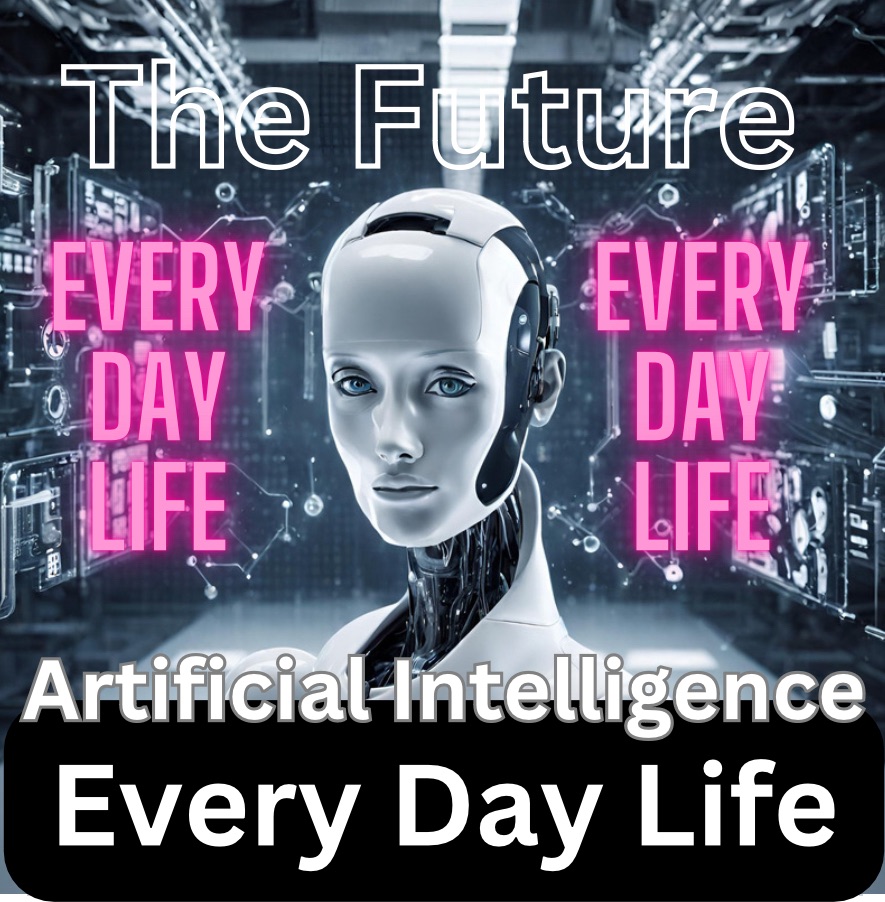
Artificial Intelligence (AI) has rapidly evolved from a futuristic concept to an integral part of our daily lives. As we stand at the threshold of this technological revolution, it’s crucial to explore the future of AI and how it will reshape the way we live, work, and interact.
The Rise of AI in Daily Activities: 🤖
In recent years, Artificial Intelligence (AI) has seamlessly become a ubiquitous part of our daily lives, transforming the way we live, work, and interact with technology. The integration of AI is evident across various aspects of our routine, heralding a new era of convenience and efficiency.
1. Virtual Assistants Simplifying Tasks: Virtual assistants have emerged as our digital companions, simplifying tasks and enhancing productivity. Whether it’s Siri on Apple devices, Alexa on Amazon’s Echo, or Google Assistant, these AI-powered assistants have become integral to managing our schedules, setting reminders, and answering queries with a simple voice command. The ease with which we can delegate routine tasks to these digital assistants streamlines our daily activities.
2. Smart Home Devices Anticipating Our Needs: The concept of a «smart home» has evolved from a futuristic idea to a present reality. AI has empowered smart home devices to anticipate our preferences and adjust settings accordingly. From thermostats that learn our temperature preferences to lighting systems that adapt to our daily routines, these devices enhance our comfort and create personalized environments.
3. AI in Personalized Recommendations: AI algorithms analyze vast amounts of data to provide personalized recommendations, whether it’s suggesting movies on streaming platforms or curating playlists based on our music preferences. The ability of AI to understand our tastes and preferences enhances our entertainment experiences, introducing us to content tailored to our liking.
4. Streamlining Communication with Chatbots: In the realm of customer service, AI-driven chatbots have become adept at handling inquiries, providing information, and even facilitating transactions. Many businesses now employ chatbots on their websites to offer instant assistance, contributing to more efficient and responsive communication.
5. Healthcare Monitoring and Assistance: The healthcare sector has witnessed a surge in AI applications, ranging from wearable devices that monitor health metrics to AI-powered diagnostic tools. These innovations not only contribute to preventative healthcare but also provide individuals with valuable insights into their well-being.
6. Enhancing Financial Management: AI is making waves in the financial sector by enhancing financial management tools. From AI-driven budgeting apps to robo-advisors that optimize investment portfolios, individuals now have access to sophisticated financial tools that were once exclusive to professionals.
The convenience AI brings to our daily activities is just the beginning. As technology continues to advance, we can anticipate even greater integration of AI into our lives, offering solutions that cater to our needs and preferences in ways we might not have imagined.
AI in Healthcare: 🏥
The healthcare industry is experiencing a profound transformation through the integration of Artificial Intelligence (AI). This technological revolution is reshaping the landscape of patient care, diagnostics, and treatment, ushering in a new era of efficiency, accessibility, and patient-centric healthcare.
1. Predictive Analytics for Early Detection: AI-powered predictive analytics are playing a crucial role in the early detection and prevention of diseases. Advanced algorithms analyze vast datasets, identifying patterns and trends that may elude traditional methods. This capability allows healthcare professionals to predict and intervene in the early stages of diseases, potentially improving patient outcomes and reducing the burden on healthcare systems.
2. Personalized Medicine Tailored to Individuals: AI is enabling the development of personalized medicine, a groundbreaking approach that tailors medical treatment to the unique characteristics of each individual. By analyzing genetic, clinical, and lifestyle data, AI algorithms can identify the most effective treatment options for a specific patient. This not only enhances treatment efficacy but also minimizes potential side effects, marking a significant advancement in precision medicine.
3. Medical Imaging and Diagnostic Accuracy: AI is revolutionizing medical imaging, significantly improving diagnostic accuracy and efficiency. Deep learning algorithms can analyze medical images such as X-rays, MRIs, and CT scans with remarkable precision. This not only speeds up the diagnostic process but also assists healthcare professionals in detecting subtle abnormalities that may go unnoticed through traditional methods.
4. Virtual Health Assistants and Remote Monitoring: The integration of AI in virtual health assistants and remote monitoring solutions is enhancing patient engagement and healthcare accessibility. Virtual assistants can provide real-time health advice, medication reminders, and answer medical queries. Remote monitoring enables continuous tracking of vital signs and chronic conditions, allowing for proactive interventions and reducing the need for frequent hospital visits.
5. Drug Discovery and Development: AI accelerates the drug discovery and development process by analyzing vast datasets to identify potential drug candidates and predict their efficacy. This data-driven approach not only expedites the research phase but also holds the promise of bringing novel treatments to market more quickly, addressing unmet medical needs.
6. Streamlining Administrative Processes: Beyond clinical applications, AI is streamlining administrative processes in healthcare institutions. Automated scheduling, billing, and documentation contribute to operational efficiency, allowing healthcare professionals to focus more on patient care.
Potential Impact on Public Health: The widespread adoption of AI in healthcare holds the potential to transform public health on a global scale. Improved diagnostics, personalized treatments, and efficient healthcare delivery can contribute to healthier populations and better outcomes. Additionally, AI-driven insights from population health data can inform public health strategies, enabling proactive measures to address emerging health challenges.
As AI continues to evolve, its role in healthcare is poised to expand, bringing about advancements that not only enhance individual patient experiences but also contribute to the overall well-being of communities and populations.
AI in Education: 📚
The role of Artificial Intelligence (AI) in education is undergoing a transformative expansion, reshaping traditional learning methods and fostering a more personalized and inclusive educational environment.
1. Personalized Learning Experiences: AI is at the forefront of delivering personalized learning experiences. Intelligent algorithms analyze individual student performance data, learning styles, and preferences to tailor educational content. This ensures that students receive targeted and adaptive instruction that aligns with their unique needs and pace of learning.
2. Adaptive Curriculums: The implementation of AI in education has given rise to adaptive curriculums that can dynamically adjust based on the progress and comprehension levels of students. This adaptive approach ensures that students are continuously challenged at an appropriate level, preventing boredom or frustration and promoting a more engaging learning experience.
3. Intelligent Tutoring Systems: Intelligent tutoring systems powered by AI offer students virtual guidance and support. These systems can provide real-time feedback, answer questions, and offer additional explanations on complex topics. This personalized assistance supplements traditional teaching methods, creating a more interactive and responsive learning environment.
4. Automated Grading and Assessment: AI has revolutionized the grading and assessment process, automating routine tasks such as grading assignments and providing instant feedback to students. This not only saves time for educators but also allows students to receive timely insights into their performance, enabling them to address areas of improvement promptly.
5. Customized Learning Paths: AI facilitates the creation of customized learning paths for students based on their individual strengths, weaknesses, and interests. This adaptability ensures that students can explore subjects in greater depth or receive additional support in areas where they may need more assistance. The result is a more tailored educational journey for each learner.
6. Inclusive Educational Environment: One of the key benefits of AI in education is its ability to promote inclusivity. Adaptive learning technologies accommodate diverse learning styles and abilities, ensuring that students with varying needs receive the support required for their academic success. This contributes to the creation of a more inclusive and accessible educational environment.
7. Continuous Learning and Skill Development: AI-driven platforms enable continuous learning beyond traditional classroom settings. Students can access educational resources, engage in interactive exercises, and acquire new skills at their own pace. This flexibility encourages a culture of lifelong learning and skill development.
As AI continues to advance, its integration into education holds the promise of revolutionizing how knowledge is imparted and acquired. By fostering personalized learning experiences and promoting inclusivity, AI is paving the way for a more dynamic and effective educational landscape.
The Workplace of Tomorrow: 🤖
Artificial Intelligence (AI) is reshaping the landscape of the modern workplace, introducing transformative changes that affect how tasks are performed, productivity is boosted, and employees engage with their roles.
1. Automation and Streamlined Processes: AI-driven automation is at the heart of transforming work processes. Routine and repetitive tasks that once consumed significant time and resources are now automated, freeing up human capital for more strategic and creative endeavors. This streamlining enhances operational efficiency and allows organizations to allocate resources more effectively.
2. Boosting Productivity with Machine Learning: Machine learning algorithms are enhancing productivity by analyzing vast datasets to identify patterns, trends, and insights. This data-driven approach empowers businesses to make informed decisions, optimize workflows, and achieve higher levels of efficiency. Employees, in turn, benefit from streamlined processes that contribute to a more productive work environment.
3. Shifting Focus to Complex, Creative Tasks: As AI handles routine tasks, employees can redirect their focus toward more complex and creative aspects of their roles. This shift allows for greater innovation, problem-solving, and the cultivation of skills that are uniquely human, such as critical thinking, emotional intelligence, and creative problem-solving.
4. Job Displacement and Evolving Skill Sets: While AI brings significant benefits, questions about job displacement and the need for new skill sets have become central to discussions about the workplace of tomorrow. Some roles may evolve or become obsolete, requiring employees to adapt and acquire new skills to remain competitive in the workforce.
5. The Importance of Human-AI Collaboration: The future workplace is characterized by a symbiotic relationship between humans and AI. Collaboration between human intelligence and machine capabilities becomes paramount. Employees who can effectively leverage AI tools and technologies are better positioned to thrive in an environment where human-AI collaboration is the norm.
6. Reskilling and Continuous Learning: To address the evolving nature of work, organizations and individuals must prioritize reskilling and continuous learning. The ability to adapt to new technologies, understand AI systems, and acquire complementary skills will be crucial for employees navigating the dynamic landscape of the workplace.
7. Ethical Considerations and Oversight: As AI becomes ingrained in the workplace, ethical considerations regarding data privacy, bias, and transparency gain prominence. Organizations need to establish robust ethical frameworks and oversight mechanisms to ensure the responsible deployment of AI technologies.
The workplace of tomorrow is not solely defined by technological advancements but by the synergy between human ingenuity and AI capabilities. While challenges exist, the potential for increased efficiency, innovation, and job satisfaction creates a promising future where technology and humanity coalesce for mutual benefit.
Ethical Considerations: 🤔
As Artificial Intelligence (AI) becomes deeply ingrained in our lives, ethical considerations emerge as pivotal aspects that demand careful examination. The transformative power of AI introduces challenges related to data privacy, algorithmic bias, and accountability, prompting important discussions about responsible AI development.
1. Data Privacy Concerns: One of the primary ethical considerations in the age of AI is the protection of data privacy. AI systems often rely on vast datasets to make informed decisions. Ensuring the responsible collection, storage, and use of personal data are paramount to safeguarding individuals’ privacy. Striking a balance between the benefits of AI-driven insights and the protection of sensitive information requires careful consideration.
2. Algorithmic Bias and Fairness: AI algorithms, while powerful, can inadvertently perpetuate bias if trained on biased datasets. Algorithmic bias poses challenges related to fairness, transparency, and the potential reinforcement of societal prejudices. Addressing bias in AI systems involves implementing rigorous testing, diverse dataset curation, and ongoing monitoring to promote fairness and mitigate unintended consequences.
3. Transparency and Explainability: The ‘black box’ nature of some AI models raises concerns about transparency and explainability. Understanding how AI systems arrive at decisions is essential, especially in critical areas like healthcare, finance, and criminal justice. Striving for transparency in AI algorithms ensures accountability and helps build trust among users and stakeholders.
4. Accountability and Responsibility: Determining accountability in AI systems is a complex yet crucial ethical consideration. Establishing clear lines of responsibility when AI makes decisions or recommendations is essential. This accountability extends not only to developers and organizations but also to policymakers, ensuring a legal and ethical framework that governs the deployment of AI technologies.
5. Society’s Response to Ethical Challenges: Society has become increasingly aware of the ethical implications of AI, leading to the development of guidelines, principles, and regulations. Governments, industry bodies, and advocacy groups are actively engaging in discussions about AI ethics, influencing the creation of standards that prioritize human rights, fairness, and accountability.
6. Responsible AI Development Practices: Emphasizing responsible AI development involves integrating ethical considerations at every stage of the AI lifecycle. From the design and training of algorithms to deployment and ongoing monitoring, responsible AI development practices prioritize the impact on individuals and society, seeking to minimize harm and maximize benefits.
7. Ethical Education and Awareness: Promoting ethical education and awareness is crucial for all stakeholders, including developers, policymakers, and end-users. Fostering a shared understanding of the ethical challenges associated with AI ensures that decisions about AI development and deployment align with societal values and expectations.
In navigating the ethical landscape of AI, society faces a collective responsibility to forge a path that harnesses the benefits of AI while safeguarding fundamental principles of fairness, accountability, and privacy. By addressing these ethical considerations head-on, we can shape an AI-powered future that aligns with our shared values and aspirations.
AI and Creativity: 🎨🤖
Contrary to concerns about Artificial Intelligence (AI) replacing human creativity, a fascinating synergy is unfolding between AI and creative endeavors. From AI-generated art to music composition, technology is evolving into a collaborator in creative fields, unlocking new possibilities and pushing the boundaries of human imagination.
1. AI-Generated Art: AI has ventured into the realm of visual arts, producing captivating pieces that challenge traditional notions of creativity. Generative Adversarial Networks (GANs) and deep learning algorithms enable machines to analyze vast datasets of artistic styles and generate unique artworks. The result is a fusion of machine-generated patterns and human-inspired aesthetics, creating a new form of artistic expression.
2. Music Composition and AI Composers: In the world of music, AI is making strides as a composer’s assistant. Algorithms can analyze vast musical databases, identifying patterns and harmonies to compose original pieces. Collaborations between musicians and AI composers are on the rise, demonstrating the capacity of technology to inspire and augment human creativity rather than replace it.
3. Writing and AI Authors: AI is also making inroads into the realm of literature. Natural Language Processing (NLP) algorithms can generate written content, from articles to poetry, emulating various writing styles. While AI-generated writing is still in its infancy, it raises intriguing possibilities for collaboration between human authors and intelligent algorithms.
4. Augmented Reality and Interactive Experiences: AI is enhancing interactive experiences in the realms of augmented reality and virtual reality. Creative applications use AI to adapt and respond to user input, creating dynamic and personalized environments. This fusion of technology and creativity amplifies the immersive potential of digital experiences.
5. Film and Creative Storytelling: AI is influencing creative storytelling in the film industry. From script analysis to predictive analytics for audience preferences, AI is contributing to the creative decision-making process. Additionally, AI-driven tools aid in visual effects and post-production, streamlining workflows and expanding creative possibilities.
6. Design and Creative Collaboration: In graphic design and user experience, AI tools collaborate with designers to streamline the creative process. AI can assist in generating design elements, suggesting layouts, and automating repetitive tasks, allowing human designers to focus on higher-level creative thinking and strategic decision-making.
7. The Human-AI Creative Partnership: Rather than supplanting human creativity, AI is evolving into a collaborative partner. The synergy between human intuition, emotion, and the computational power of AI opens avenues for innovative expression. The combination of human ingenuity and machine efficiency offers a powerful blend that extends the boundaries of what is creatively achievable.
The evolving relationship between AI and creativity represents an exciting chapter in the story of human innovation. As technology becomes a collaborator in creative fields, the future holds the promise of a harmonious fusion where human imagination and AI capabilities propel us into uncharted creative territories.
Conclusion: 🌐🤖
The future of Artificial Intelligence (AI) in everyday life unveils a landscape of immense potential and challenges, inviting us to navigate this transformative terrain with mindfulness and ethical consideration. As we stand on the brink of unprecedented technological advancement, the collaboration between humans and machines emerges as a powerful force that has the capacity to enhance our lives in ways we have yet to fully comprehend.
Embracing Collaboration: The synergy between human ingenuity and the capabilities of AI presents boundless possibilities. From streamlining daily tasks to revolutionizing creative endeavors, the collaboration between humans and machines is reshaping the fabric of our existence. It is through this partnership that we unlock new levels of efficiency, innovation, and creativity that were once beyond our reach.
The Ethical Imperative: In our journey into the AI-driven future, it is imperative to approach development with a thoughtful and ethical mindset. The ethical considerations surrounding AI, including data privacy, algorithmic bias, and accountability, demand our attention. Striking a balance between technological progress and ethical responsibility is paramount to ensuring that the benefits of AI are harnessed without compromising our values.
Navigating Challenges: As we embrace the promises of AI, we must also confront challenges head-on. Issues of job displacement, evolving skill sets, and societal impacts require thoughtful solutions. It is through proactive measures, continuous education, and inclusive policies that we can navigate these challenges and harness the positive potential of AI for the benefit of all.
Responsibility in Development: The key to shaping a positive future lies in responsible AI development. As developers, policymakers, and individuals, we carry the responsibility to create AI systems that align with ethical principles and respect human values. Transparency, accountability, and a commitment to the well-being of individuals and society are foundational elements in ensuring that AI serves humanity responsibly.
A Future of Possibilities: The journey into the future of AI is an exploration of endless possibilities. The collaboration between humans and machines has the power to elevate our collective potential, opening doors to innovation and advancements that were once the realm of science fiction. As we tread this path, let us remain steadfast in our commitment to building a future where technology enriches human lives while upholding our shared values.
In the realm of AI, the unfolding chapters of our story are marked by a balance between progress and responsibility. It is a narrative that invites us to harness the benefits of AI with wisdom, ensuring that our technological advancements contribute to a future where innovation and humanity walk hand in hand.
🌐🤖🚀
Debe estar conectado para enviar un comentario.