
Suscríbete para seguir leyendo
Suscríbete para obtener acceso al contenido íntegro de esta entrada y demás contenido exclusivo para suscriptores.
Suscríbete para obtener acceso al contenido íntegro de esta entrada y demás contenido exclusivo para suscriptores.

📲 Week 17: Mobile Marketing Strategies
Discover how to use mobile marketing strategies to engage customers on the go. Learn how to optimize your website, ads, and content for mobile users and boost conversions.
Today’s world fits in the palm of your hand — literally. With over 6.5 billion smartphone users globally, mobile marketing has become one of the most powerful ways to connect with audiences instantly.
Whether your goal is to sell, educate, or inspire, mobile marketing strategies ensure your message reaches your audience at the right moment, no matter where they are.
Let’s explore how to create mobile experiences that capture attention and drive action.
Mobile marketing refers to promotional strategies designed to reach people on their smartphones or tablets through apps, websites, SMS, social media, and push notifications.
It’s marketing in motion — fast, interactive, and personalized.
Examples of Mobile Marketing Channels:
Your audience is always connected. Mobile marketing makes sure your brand is too.
Mobile devices aren’t just for browsing — they’re for living.
Here’s why mobile marketing is essential:
If your business isn’t mobile-friendly, you’re missing a massive opportunity.
Make sure your website is responsive, loads fast, and looks great on all screen sizes.
👉 Tip: Use tools like Google’s Mobile-Friendly Test to check performance.
Send personalized updates, discounts, or reminders. Keep messages short and valuable.
Example:
“Exclusive Offer! 20% OFF today only – Tap to shop now.”
Most users scroll on mobile — so use vertical videos, short captions, and bright visuals for platforms like Instagram, TikTok, and Facebook.
Design emails that display perfectly on small screens with large buttons, short paragraphs, and bold CTAs.
Use geotargeting to reach users near your store or event.
Example: “You’re just 2 miles away from our Las Vegas store — stop by for 10% off!”
Apps increase engagement, loyalty, and retention by offering personalized experiences.
Mobile marketing goes hand in hand with mobile SEO — optimizing your content for voice search and on-the-go browsing.
Tips to enhance visibility:
When your site feels smooth and fast, users stay longer — and Google rewards you.
Track your performance with these key indicators:
Tools like Google Analytics 4 (GA4) and Meta Ads Manager help monitor these metrics easily.
❌ Using non-responsive designs.
❌ Sending long or spammy text messages.
❌ Ignoring mobile page loading times.
❌ Forgetting about vertical ad formats.
❌ Neglecting analytics or performance tracking.
A great mobile strategy isn’t just about showing up on screens — it’s about standing out on them.
Mobile marketing gives you the power to meet your audience wherever they are — on the bus, at the gym, or on their couch.
👉 This week, review your website or emails on a smartphone. Identify one improvement (like faster loading or better design) and make it your focus. Small optimizations can lead to massive engagement.
Next week: Week 18 — Mobile Applications: How Apps Create Loyalty and Growth.
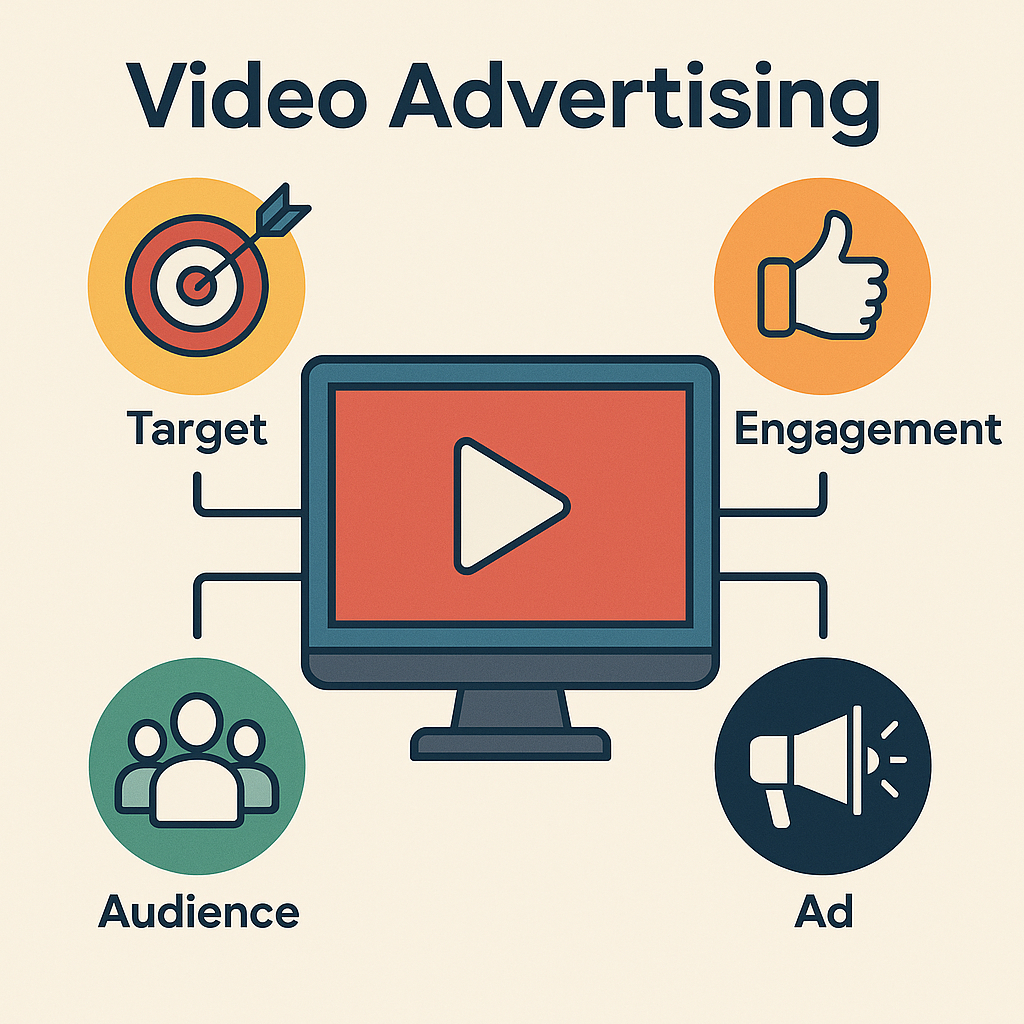
🎥 Week 15: Video Advertising
Learn how to use video advertising to attract attention, inspire emotion, and drive sales. Discover proven strategies to plan, produce, and promote high-performing video ads.
Videos are the most powerful storytelling tool in today’s digital landscape.
Whether it’s a 15-second social ad or a 2-minute brand film, video advertising allows you to connect with audiences on an emotional level — something text and images alone can’t achieve.
Modern consumers want to see the story, feel the emotion, and trust the brand. When you master video marketing, you turn your message into motion — and your viewers into customers.
Video advertising uses motion, sound, and storytelling to promote products or services through digital platforms such as YouTube, Facebook, Instagram, TikTok, and streaming TV.
These ads can entertain, educate, or inspire — but their true goal is to drive engagement and conversions.
Examples:
If a picture says a thousand words, a video says a million.
Here’s why it’s essential:
| Type | Platform Example | Purpose |
|---|---|---|
| In-Stream Ads | YouTube Pre-Roll | Brand awareness & reach |
| Social Feed Videos | Instagram, TikTok | Engagement & community growth |
| Explainer Videos | Websites, Landing Pages | Educate & convert visitors |
| Testimonials | Facebook or YouTube | Build credibility & trust |
| Product Demos | eCommerce stores | Show value & increase sales |
Choose the type that aligns with your campaign goal and audience behavior.
Keep it short, authentic, and emotionally charged.
✅ Use high-quality visuals and clear sound.
✅ Add captions — 80 % of viewers watch without sound.
✅ Show real people or testimonials for authenticity.
✅ Maintain your brand’s colors, logo, and tone.
✅ Include an emotional trigger (humor, inspiration, hope).
Success is measured through key metrics:
Use YouTube Analytics, Meta Ads Manager, or TikTok Business Suite to track these results and refine your future videos.
Video advertising is no longer optional — it’s essential.
When you tell your story through video, you ignite emotion, trust, and action.
👉 This week, create a short 30-second video introducing your brand or product. Focus on emotion and authenticity over perfection — and watch how your audience responds.
Next week: Week 16 — Technical Content: Building Authority Through Educational Value.
Debe estar conectado para enviar un comentario.