
🌐 Would you prefer to read this article in Spanish?
You can also enjoy the Spanish edition:
Your past does not determine your future. Your circumstances may limit your options, but they do not have to define everything you can become.
What if the life you want requires a different version of you?
There are moments in life when we feel completely stuck.
We work hard, fulfill our responsibilities, make sacrifices, and do everything we believe is necessary to move forward.
Yet months pass, sometimes even years, and our circumstances remain almost unchanged.
Financial challenges continue. Dreams remain on hold. Opportunities seem to find everyone except us.
Eventually, we may begin accepting our current situation as something permanent.
But what if we asked ourselves a different question?
What if the challenge is not only the situation we are facing, but also the decisions, habits, and strategies we continue using to deal with it?
This does not mean that every difficulty is caused by personal choices.
People face illness, discrimination, economic inequality, unexpected losses, and other circumstances beyond their control.
Recognizing those realities is essential.
But even when we cannot control everything that happens to us, we can sometimes discover better ways to respond.
And those responses may open doors we never imagined.
You cannot build a different future by endlessly repeating the past
Imagine someone who has spent ten years trying to improve their financial situation.
Every January, they set the same goals.
Earn more money.
Eliminate debt.
Start a business.
Learn something valuable.
But throughout the year, they continue following the same routines, avoiding new skills, and postponing important decisions.
December arrives, and very little has changed.
Does that person lack intelligence or potential?
Not necessarily.
Perhaps they need a different strategy.
Being busy is not the same as making progress.
We can work extremely hard while continuing to move in the wrong direction.
That is why personal growth requires periodic evaluation.
Ask yourself:
- Which of my current activities are producing meaningful results?
- What knowledge or skills am I missing?
- What important decisions have I been avoiding?
- What should I stop doing so I can focus on something more valuable?
Working harder is not always the answer.
Sometimes we need to work differently, learn more effectively, or reconsider the direction we are taking.
Effort matters. But effort combined with learning, reflection, and strategic adjustment can become far more effective.
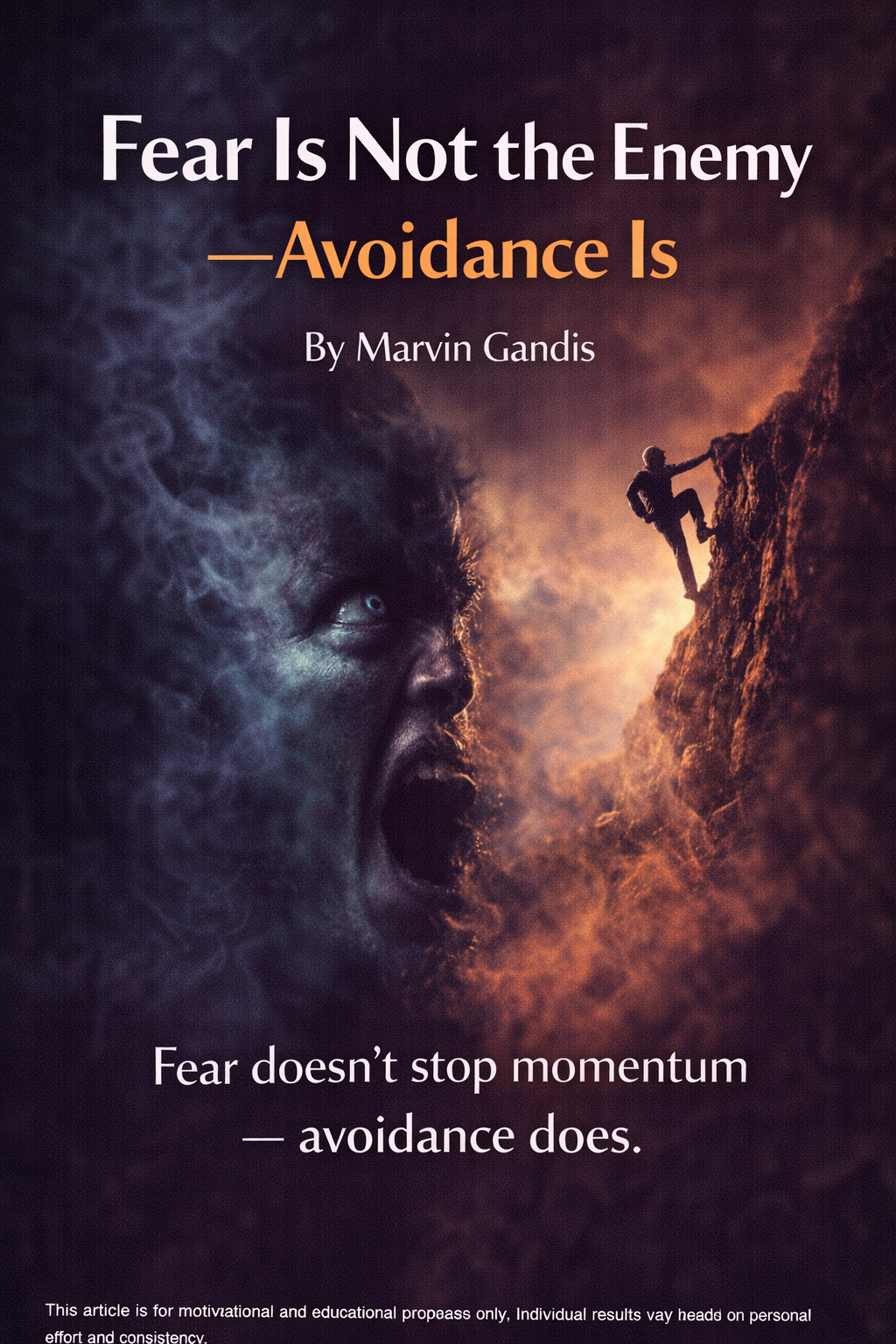
Extraordinary growth begins beyond your comfort zone
Comfort can become an invisible prison.
Not because peace and stability are undesirable, but because fear can persuade us to remain in situations that no longer serve our development.
Some people avoid applying for better jobs because they fear rejection.
Others refuse to start projects because they believe they are not qualified.
Some never share their talents because they assume everyone else is more capable.
And many postpone their ambitions while waiting to feel completely confident.
The result?
Their abilities remain unexplored.
Leaving your comfort zone does not mean making reckless financial decisions, abandoning responsibilities, or exposing yourself to unnecessary danger.
It means taking thoughtful steps toward opportunities you have previously avoided because of fear.
You might learn new technology, seek professional advice, apply for a position, or test a business idea on a small scale.
These actions may seem ordinary.
But for someone who has spent years allowing fear to make decisions, they can represent extraordinary progress.
Courage is not the absence of fear. It is the willingness to move forward responsibly even when fear is present.
Stop asking only what you need and start asking what you can create
One of the most powerful changes in personal development involves asking better questions.
When facing financial or professional difficulties, people often focus entirely on what they lack.
«How can I make more money?»
«Who will give me an opportunity?»
«Why do other people succeed while I struggle?»
These questions are understandable.
But what happens when we begin asking questions that encourage creativity and service?
«What problem can I help solve?»
«What valuable skill could I develop?»
«What can I create that improves someone’s life?»
«How can my knowledge and experience become useful to others?»
These questions shift our attention toward possibilities.
A person who learns bookkeeping may help small businesses manage their records.
Someone who develops writing skills may create educational resources.
A technically skilled individual may help others solve everyday technology problems.
An experienced worker may mentor people entering the same profession.
Not every idea will become a successful business. Demand, competition, pricing, and execution matter.
But opportunities often begin with understanding people’s needs and finding practical ways to address them.
Sometimes, improving our own circumstances starts with discovering how we can make life better for others.
Your story is not over because you experienced failure
Failure can hurt deeply.
Especially when we have invested time, money, energy, and hope into something that did not work.
After repeated disappointments, it becomes tempting to turn setbacks into personal identities.
«I’m not talented enough.»
«I’m too old to start again.»
«Nothing ever works for me.»
«Other people have opportunities I will never have.»
But experiencing failure does not make someone a failure.
A business can struggle because its expenses exceed its revenue.
A product may fail because customers do not need it.
A marketing campaign can perform poorly because it reaches the wrong audience.
A career opportunity may disappear because of circumstances beyond the applicant’s control.
Those results do not automatically define a person’s intelligence, character, or future potential.
Instead of allowing disappointment to become a permanent conclusion, examine what happened.
What worked?
What failed?
What assumptions were incorrect?
What should be tested differently?
Learning does not guarantee future success.
But it can help us make better decisions and avoid repeating preventable mistakes.
Do not allow one difficult chapter to become the permanent definition of your entire life.
Discipline turns inspiration into progress
Motivation can be powerful.
An encouraging message may inspire us to pursue a dream.
A story of perseverance may remind us that change is possible.
A new idea may create excitement about the future.
But inspiration alone rarely changes our circumstances.
What matters is what happens afterward.
Someone who wants better health needs sustainable habits.
Someone seeking financial stability needs to understand income, spending, and obligations.
Someone planning to launch a business needs to research demand, understand costs, and learn how to reach customers.
Progress depends on consistent action.
And consistent action does not always require dramatic changes.
Thirty minutes of daily learning can add up to approximately fifteen hours per month.
That time might be spent developing a professional skill, studying a language, learning technology, or improving financial literacy.
Not every hour of study produces immediate income.
But education and practice can expand the opportunities we are prepared to recognize and pursue.
An extraordinary future may begin with ordinary decisions repeated consistently.
Surround yourself with people who encourage growth
Our environment influences how we perceive the world.
The conversations we have, the advice we receive, and the behavior we observe can shape our expectations.
When we constantly hear that nothing can improve, hopelessness may begin to feel reasonable.
But when we meet people who learn continuously, work with purpose, and respond to challenges constructively, we discover different possibilities.
This does not mean abandoning friends or family members who are struggling.
It certainly does not mean choosing relationships based solely on financial success.
Some of the most valuable people in our lives may never become wealthy or famous.
What matters is character.
Seek people who demonstrate honesty, responsibility, curiosity, compassion, and a willingness to grow.
Learn from those with relevant experience.
Welcome constructive criticism.
And remember that relationships should not be based only on what others can provide for you.
Look for opportunities to encourage, teach, and support others.
Because success becomes more meaningful when it leaves room for generosity.
You do not need to have everything figured out before beginning
One of the most common obstacles to progress is waiting for perfect conditions.
We wait until we have more money.
We wait until we feel confident.
We wait until we know everything.
We wait until our responsibilities become easier.
Sometimes preparation is necessary.
Responsible decisions require research, planning, and an honest understanding of risk.
But preparation can also become an excuse for endless postponement.
There is a difference between being careful and never taking action.
If you want to write, begin with one page.
If you want to develop a professional skill, find a trustworthy introductory course.
If you are considering a business, speak with potential customers before investing significant money.
If you want stronger finances, begin by reviewing your expenses and creating a realistic budget.
You do not need to solve every challenge immediately.
You need to identify a reasonable next step.
Then take it.
Extraordinary success is not always measured in money
Modern culture often associates extraordinary achievement with wealth, fame, influence, and public recognition.
But countless extraordinary people live outside the spotlight.
A parent who makes sacrifices to create better opportunities for their children.
A teacher who helps a struggling student discover confidence.
Someone who rebuilds their life after a devastating loss.
An entrepreneur who provides honest service and treats customers fairly.
A volunteer who helps people without expecting recognition.
These individuals remind us that greatness is not always measured by possessions or titles.
Being extraordinary is not only about what you accomplish for yourself. It is also about the positive difference you make in other people’s lives.
Financial independence may be a worthwhile goal.
Professional advancement can be meaningful.
Business ownership may provide opportunities for creativity and growth.
But integrity, kindness, freedom, service, and strong relationships are equally important parts of a fulfilling life.
Success without purpose may leave us wondering what all the effort was for.
A seven-day challenge to begin changing your life
You do not have to transform your entire life in one week.
The purpose of this challenge is to create awareness, take meaningful action, and establish momentum.
| Day | Your action |
|---|---|
| Day 1 — Examine your reality | Identify three areas of your life you want to improve. |
| Day 2 — Recognize your obstacles | Write down one habit, fear, or decision that has been holding you back. |
| Day 3 — Define your goal | Choose one specific objective to work toward during the next thirty days. |
| Day 4 — Learn something valuable | Spend at least thirty minutes developing knowledge related to your objective. |
| Day 5 — Take a different action | Complete one reasonable step you have been postponing. |
| Day 6 — Seek guidance | Learn from someone with relevant experience or a credible educational resource. |
| Day 7 — Review and continue | Evaluate your progress and identify your next three actions. |
The purpose is not to achieve immediate perfection.
It is to begin replacing passive hope with deliberate action.
Small steps do not guarantee extraordinary outcomes.
But they can help you develop the knowledge, confidence, and habits required for sustainable progress.
Discover the extraordinary potential you have not yet explored
Perhaps you have spent years focusing on everything that went wrong.
The opportunities you missed.
The projects that failed.
The decisions you regret.
The ambitions you postponed.
But your story contains more than disappointments.
It also contains experience.
Lessons.
Abilities.
Resilience.
Knowledge gained through difficult circumstances.
These resources may become the foundation of a new chapter.
You do not need to compete with everyone around you.
You do not need to prove that you are better than someone else.
And you do not need to become perfect before pursuing meaningful growth.
Instead, begin asking what you can build with the resources available to you.
What could you learn?
Who could you help?
Which decisions deserve reconsideration?
What would happen if you began using your abilities more intentionally?
Your next achievement may not require becoming an entirely different person.
It may require discovering strengths and capabilities you have never fully developed.
Your circumstances may not change until something changes in your approach
Time passes whether we act or not.
But the passage of time does not guarantee improvement.
We can continue waiting for circumstances to become perfect.
We can repeat strategies that no longer work.
Or we can begin creating a different direction through learning, thoughtful decisions, consistent effort, and responsible action.
Not everyone begins with equal resources.
Not everyone faces the same opportunities.
And not every obstacle can be overcome through determination alone.
But the choices available to us deserve thoughtful consideration.
You do not have to become famous to accomplish something extraordinary.
You do not need millions of dollars to make a positive difference.
And you do not need to wait for another year to begin developing your abilities.
To move beyond your current situation, you may need to start doing things you have never dared to try before.
Stop repeating the same actions while expecting completely different results.
Discover how extraordinary you can become.
A final question for our readers
If you could change one thing over the next thirty days to move closer to the life you want, what would it be?
Share your answer in the comments.
Your decision may become the first step toward a new chapter—and your experience may inspire someone else to begin.
A different question can open a new path
Sometimes, meaningful change does not begin with a new answer. It begins with a question we have never dared to ask ourselves.
That is the central idea behind The Inverse Question, a book by Marvin Gandis that invites readers to examine their decisions, habits, beliefs, and the future their repeated actions may be creating.
If this article has encouraged you to reconsider your direction, we invite you to explore another perspective on personal growth and the power of asking better questions.
Discover The Inverse Question and begin exploring new possibilities.
An invitation to reflect, learn, and make more intentional decisions. No specific personal or financial results are promised.
Why Did I Write The Inverse Question?
Do Not Confuse Movement With Direction
Your next chapter begins with one decision
You do not need to change your entire life in a single day.
But you can begin today with one different decision.
Here is your challenge: identify one thing you want to change over the next thirty days and write down the first step you will take.
What will your decision be?
Share it in the comments. Your experience may encourage someone else who is searching for a new beginning.
If you found this article valuable, share it and continue exploring our educational content at Ir de Compras Online.
Disclaimer: This article is provided for educational, informational, and personal-reflection purposes only. It does not constitute psychological, medical, financial, legal, business, or professional advice. Individual experiences and circumstances vary. No specific personal, financial, or professional results are guaranteed. Seek guidance from an appropriately qualified professional when necessary.

Debe estar conectado para enviar un comentario.