Publicado en Business Growth, Education, Leadership, Mindset, Personal Development, Success

The Invisible Skill That Will Decide Your Future: Learning How to Adapt Before Life Forces You To

By Marvin Gandis

The World Is Not Waiting for Anyone

There is a quiet truth many people ignore until life becomes uncomfortable:

The future does not belong only to the strongest, the smartest, or even the most talented. The future belongs to those who know how to adapt.

We live in a time where everything changes quickly. Technology changes. Jobs change. Businesses change. Relationships change. The economy changes. Even the way people communicate, buy, learn, work, and trust others is changing.

Yet many people are still trying to succeed with the same mindset they had five, ten, or twenty years ago.

They are waiting for things to return to normal.

But what if “normal” is not coming back?

What if the new advantage in life is not simply having more money, more education, or more contacts—but having the ability to adjust, learn, improve, and move forward when the world changes around you?

That skill has a name:

Adaptability.

And in the coming years, it may become one of the most valuable skills a person can develop.


Adaptability Is Not Weakness — It Is Intelligence in Motion

Many people confuse adaptation with surrender.

They think adapting means giving up your values, changing your identity, or accepting defeat. But true adaptation is not about becoming someone else. It is about becoming strong enough to respond wisely to new circumstances.

A tree that refuses to bend in a storm may break. But a tree that bends without losing its roots survives.

That is adaptability.

It means you keep your principles, but you change your methods.

You keep your purpose, but you adjust your strategy.

You keep your dream, but you improve your plan.

The person who adapts is not unstable. The person who adapts is awake.


The Most Dangerous Phrase Is: “I Have Always Done It This Way”

There is nothing wrong with experience. Experience is valuable. But experience becomes dangerous when it turns into resistance.

Many people fail not because they lack ability, but because they become emotionally attached to old methods.

They say:

  • “I have always done it this way.”
  • “That will never work.”
  • “I don’t need to learn that.”
  • “This new generation doesn’t understand.”
  • “Things were better before.”

Maybe some things were better before. But life does not move backward to comfort us. Life moves forward and asks us to grow.

In business, this can destroy progress.

A person may have a good product, a good message, or a good opportunity, but if they refuse to learn new tools, new platforms, new ways to communicate, and new ways to build trust, they slowly become invisible.

Not because they are bad.

Not because they have nothing to offer.

But because they stopped adapting.


The Marketplace Rewards Those Who Pay Attention

The marketplace is always speaking.

People’s habits tell us what they care about. Their questions reveal their fears. Their silence reveals confusion. Their clicks reveal curiosity. Their complaints reveal problems waiting for solutions.

The wise person pays attention.

Instead of saying, “Why is nobody listening to me?” they ask:

  • “What are people actually struggling with?”
  • “How can I explain this more clearly?”
  • “Is my message helping, teaching, or only selling?”
  • “Am I building trust before asking for action?”
  • “Am I using the tools people actually use today?”

Adaptability begins when we stop blaming the audience and start studying the audience.

This does not mean blindly chasing trends. It means understanding people deeply.

Trends change, but human needs remain: security, hope, clarity, belonging, progress, peace, confidence, and opportunity.

The adaptable person learns how to connect timeless human needs with modern communication.

That is powerful.


Adaptability Requires Humility

One of the hardest parts of adapting is admitting that we still need to learn.

This is difficult because the ego wants to appear finished, polished, and certain. But growth requires honesty.

A beginner who knows they are learning is often more dangerous than an expert who thinks they already know everything.

Humility says:

  • “I can improve.”
  • “I can ask better questions.”
  • “I can study what is working.”
  • “I can correct my mistakes.”
  • “I can learn from younger people.”
  • “I can learn from failure without becoming failure.”

This kind of humility is not weakness. It is maturity.

A humble person can be corrected without being destroyed. They can receive feedback without feeling attacked. They can change direction without feeling ashamed.

That is why humility and adaptability go hand in hand.

You cannot adapt while pretending you already know everything.


The Future Will Punish Passive People

This may sound strong, but it is necessary:

The future will not be kind to passive people.

Passive people wait too long.

They wait for perfect timing.

They wait until they feel ready.

They wait until someone explains everything.

They wait until success is guaranteed.

They wait until fear disappears.

But fear does not disappear before action. Fear usually gets smaller after action.

The adaptable person does not need perfect confidence to begin. They begin, observe, learn, adjust, and continue.

That is how progress is built.

Not in one dramatic moment.

Not in one lucky opportunity.

Not in one viral post.

Progress is built through repeated adjustment.

You try. You learn. You improve. You try again.

That cycle is one of the greatest secrets of successful people.


Adaptability Does Not Mean Following Every Trend

There is a difference between being adaptable and being distracted.

Some people jump from idea to idea, tool to tool, business to business, and strategy to strategy. They call it adaptation, but it is really confusion.

True adaptability is not panic.

It is an intelligent adjustment.

You do not need to follow every trend. You do not need to use every platform. You do not need to copy everyone who seems successful.

You need to know your mission, understand your audience, and improve your method.

The question is not:

  • “What is everyone doing?”

The better question is:

“What change would make my message clearer, my service better, and my results stronger?”

That is focused adaptation.


The Person Who Learns Faster Has the Advantage

In the past, people often competed based on resources: money, location, connections, or formal education.

Those things still matter, but today there is another advantage:

  • learning speed.

The person who learns faster can recover faster.

They can test ideas faster.

They can understand tools faster.

They can recognize mistakes faster.

They can improve communication faster.

They can respond to change faster.

This is why continuous learning is not optional anymore. It is survival.

But learning does not only mean taking courses or reading books. It also means paying attention to your own life.

  • Every failure is data.
  • Every rejection is information.
  • Every delay is a lesson.
  • Every mistake is a mirror.

The question is: are you learning from what happens to you, or are you only suffering through it?

The adaptable person turns experience into education.


Emotional Adaptability May Be Even More Important

Adapting is not only about technology, business, or strategy. It is also emotional.

  • Can you stay calm when things change?
  • Can you think clearly when plans fail?
  • Can you keep moving when results are slow?
  • Can you receive criticism without losing your identity?
  • Can you adjust without becoming bitter?

Many people are mentally capable but emotionally fragile. They know what to do, but frustration controls them. They have ideas, but disappointment paralyzes them.

This is why emotional adaptability matters.

It teaches you to say:

  • “This did not work, but I am not finished.”
  • “This season is difficult, but I can still grow.”
  • “This result disappointed me, but it can teach me.”
  • “I may need a new strategy, but I do not need to quit my purpose.”

That kind of emotional strength is rare.

And rare things have value.


How to Build Adaptability in Your Daily Life

Adaptability is not built in theory. It is built in practice.

Here are simple ways to develop it:

Ask better questions

Instead of asking, “Why is this happening to me?” ask, “What can this teach me?”

Instead of asking, “Why don’t people support me?” ask, “How can I communicate with more clarity and value?”

Update your skills regularly

Do not wait until you are forced to learn. Learn before pressure arrives.

Study communication, digital tools, financial habits, leadership, emotional discipline, and problem-solving.

Detach from one method

Your goal may remain the same, but your path may need to change.

Do not worship the method. Respect the mission.

Review your results honestly

If something is not working, do not pretend it is. Look at the facts. Adjust with wisdom.

Honesty saves time.

Stay rooted in values

Adaptability without values becomes compromise. Values without adaptability can become rigidity.

You need both: strong roots and flexible branches.


The Real Winners Will Be the Ones Who Can Reinvent Without Losing Themselves

Life will ask every person to reinvent something.

Maybe your career.

Maybe your business.

Maybe your habits.

Maybe your mindset.

Maybe your communication.

Maybe your relationship with money.

Maybe your relationship with yourself.

Reinvention does not mean your past was wasted. It means your past prepared you for a new level.

The lessons you learned still matter. The pain you survived still matters. The skills you developed still matter. The wisdom you gained still matters.

But now you may need to use them in a new way.

That is not failure.

That is evolution.

The person who can reinvent without losing their soul becomes very difficult to defeat.


Adapt Before You Are Forced To

The greatest mistake is waiting until life gives you no choice.

Do not wait until your job disappears to learn new skills.

Do not wait until your business fails to improve your message.

Do not wait until your audience ignores you to study communication.

Do not wait until your confidence is broken to develop emotional strength.

Do not wait until the storm arrives to strengthen your roots.

  • Adapt now.
  • Learn now.
  • Adjust now.
  • Grow now.

The future is not asking you to be perfect.

It is asking you to be awake.

And those who are awake, humble, flexible, and willing to grow will always have a chance to rise again.

Because the world may change, but the adaptable person does not disappear. The adaptable person transforms.


Disclaimer:


The articles and content ideas provided are for educational, inspirational, and informational purposes only. They are designed to encourage reflection, personal growth, digital awareness, and responsible decision-making. They should not be considered financial, legal, medical, psychological, or professional advice.

Any business, marketing, personal development, or income-related examples mentioned are not guarantees of results. Individual outcomes may vary depending on effort, consistency, experience, market conditions, personal discipline, and other factors beyond our control.

Readers are encouraged to do their own research, seek qualified professional guidance when necessary, and make decisions based on their own situation, values, and responsibilities.

Publicado en Trabajos Desde el Hogar

10 Business Ideas for Kids

Looking for business ideas for your kids?

Encouraging your children to start their own business can be a great way to teach them important life skills like responsibility, financial literacy, and entrepreneurship.

Instruction to Starts

Great! Here are some general instructions for starting a business as a kid:

  1. Choose a business idea: Start by brainstorming ideas based on your interests, skills, and the needs of your community.
  2. Research: Conduct research to learn more about your chosen business idea, including market demand, competition, and any legal requirements.
  3. Create a business plan: Write a simple business plan that outlines your goals, strategies, and financial projections.
  4. Get any necessary permits or licenses: Depending on the type of business you want to start and where you live, you may need to obtain certain permits or licenses.
  5. Set up your business: Set up your business by choosing a name, registering your business (if necessary), and creating any necessary marketing materials.
  6. Determine your pricing: Decide how much to charge for your products or services based on your costs, market demand, and competition.
  7. Start promoting your business: Use social media, word of mouth, and other marketing strategies to promote your business and attract customers.
  8. Provide excellent customer service: Focus on providing a great experience for your customers, which can help build your reputation and lead to repeat business.
  9. Keep track of your finances: Keep track of your income, expenses, and profits, and consider investing in accounting software or hiring a bookkeeper to help.
  10. Continue learning and growing: Stay open to feedback, be willing to adapt and improve, and continue learning about entrepreneurship and business management.

Remember, starting a business can be a learning experience, so don’t be afraid to ask for help and stay committed to your goals. Good luck!

Here are 10 business ideas that are perfect for kids of all ages, from classic lemonade stands to creative arts and crafts ventures.

Whether your child is looking to earn some extra spending money or start building their own business empire, these ideas are sure to inspire their entrepreneurial spirit!

I- A Classic Summer Business that is Easy to Set Up and Manage.

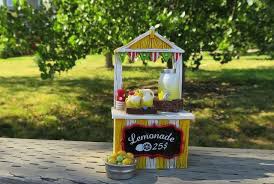
Lemonade Stand: A classic business idea for kids. With a small initial investment in lemons, sugar, cups, and ice, kids can make refreshing lemonade and sell it in their neighborhood.

Initial investment will include lemons, sugar, cups, and ice.

Tools required may include a pitcher, stirring spoon, and a table.

Permit and license to operate In some areas, kids may need a temporary food service permit to operate a lemonade stand.

Profit : A lemonade stand can cost as little as $20 to set up, including the cost of lemons, sugar, and cups. Depending on the location and the demand, a kid could earn between $20 to $50 in a day.

Skills and knowledge Basic math skills to make change and calculate profits. Basic customer service skills to interact with customers and provide a positive experience.

Advertising and promotion ads examples:

  • «Beat the Heat with Our Refreshing Lemonade! Come visit us on the corner of Main and Elm.»
  • «Quench your thirst with our homemade lemonade. Made fresh daily!»
  • «Looking for a tasty way to cool off? Look no further than our lemonade stand!»

II – Kids can offer lawn mowing and gardening services in their local community.

Lawn Care: Lawn care is a great business idea for kids who enjoy working outdoors and don’t mind getting their hands dirty. Kids can mow lawns, rake leaves, and do other yard work for homeowners. With a few basic tools, such as a lawnmower and a rake, they can start their lawn care business.

Initial investment will include a lawnmower, rake, and other necessary yard tools. To start a lawn care service, a kid may need to invest in basic tools such as a lawnmower, weed trimmer, and rake. Depending on the size of the equipment and the quality, the initial investment can range from $200 to $500.

Profit Depending on the services offered and the pricing, a kid could earn $20 to $50 per lawn.

For example, if a kid charges $25 per lawn and mows five lawns per week during the summer months, they could potentially earn $500 per month. However, it’s important to note that the earnings can vary depending on the location, competition, and the seasonality of the business.

Additionally, there may be additional costs involved in running a lawn care business, such as gas for the equipment and advertising expenses. It’s important for kids and their parents to carefully consider the costs and potential earnings before starting any business venture.

    Permit and license to operate Kids may need to obtain a business license to operate a lawn care business. They may also need to comply with local regulations regarding the use of pesticides and lawn chemicals.

    Skills and knowledge Knowledge of lawn care equipment and safety procedures. Basic customer service skills to interact with clients and provide estimates for services.

    Advertising and promotion ads examples:

    • «Make your lawn the envy of the neighborhood. Contact us for professional lawn care services.»
    • «Need a break from yard work? Let us handle the mowing, trimming, and weeding for you!»
    • «Tired of spending your weekends on lawn care? Let us take care of it for you. Contact us today.»

    III- Kids can offer pet owners a reliable dog walking service.

    Dog Walking: Kids can offer their dog walking services to busy pet owners in their neighborhood. They can charge a reasonable fee and make a decent profit.

    Initial investment will include advertising materials such as flyers, a leash, poop bags, and water bottles for the dogs.

    Profit To start a pet-sitting or dog-walking service, a kid may need to invest in flyers or business cards to advertise their services. Depending on the services offered and the pricing, a kid could earn $10 to $20 per pet per day.

    Permit and license to operate In most areas, kids do not need a license to offer dog walking services. However, they may need to comply with local leash laws and obtain permission from property owners to walk dogs on private property.

    Skills and knowledge of dog behavior and basic obedience training. Basic customer service skills to interact with pet owners and provide updates on their pet’s well-being.

    Advertising and promotion ads examples:

    • «Give your furry friend the exercise they need. Contact us for reliable and affordable dog walking services.»
    • «Let us help you keep your dog happy and healthy. Book your dog walking services today!»
    • «Is your dog begging for a walk? Let us help! Call us to schedule a walk with our experienced dog walkers.»

    IV – Many parents are looking for trustworthy babysitters to watch their kids.

    Babysitting: Kids who enjoy spending time with children can offer their babysitting services to parents in their community. This can be a great way to earn extra money on the weekends or during school breaks.

    Initial investment may include a CPR certification course and marketing materials.

    Profit To start a babysitting service, a kid may need to invest in flyers or business cards to advertise their services. Depending on the location and the demand, a kid could earn $10 to $15 per hour.

    Permit and license to operate In most areas, kids do not need a license to offer babysitting services. However, they may need to comply with local regulations regarding the number of children they can care for and obtain permission from parents to provide care.

    Skills and knowledge Basic knowledge of child development and safety procedures. Basic customer service skills to interact with parents and provide updates on their child’s well-being.

    Advertising and promotion ads examples:

    • Parents, take a night off! We provide reliable and trustworthy babysitting services.»
    • «Need a break from parenting? Let us help! Contact us to schedule a night out.»
    • «Looking for a fun and experienced babysitter? Look no further. Contact us today.»

    V – A Car Washing Service can be a fun way for kids to earn some extra money.

    Car Wash: Kids can offer car washing services to drivers in their community. They can set up a car wash station and charge a fee for each wash.

    Initial investment may include soap, sponges, buckets, and a hose.

    Profit To start a car washing service, a kid may need to invest in soap, sponges, and buckets. Depending on the location and the demand, a kid could earn $10 to $20 per car.

    Permit and license to operate Kids may need to obtain a business license to operate a car wash business. They may also need to comply with local regulations regarding the use of water and cleaning chemicals.

    Skills and knowledge of car washing equipment and safety procedures. Basic customer service skills to interact with clients and provide estimates for services.

    Advertising and promotion ads examples:

    • «Get your car looking like new. Contact us for professional car washing and detailing services.»
    • «Don’t have time for car washing? Let us do the dirty work for you! Contact us today.»
    • «Make your car shine like the day you bought it. Contact us for top-quality car washing services.»

    VI – Kids can make and sell their own arts and crafts, such as jewelry or paintings.

    Arts and Crafts: Kids who enjoy making arts and crafts can sell their creations online or at local markets. This can include jewelry, paintings, pottery, and other handmade items.

    Initial investment will include crafting supplies such as beads, paint, and canvas.

    Profit To start an arts and crafts business, a kid may need to invest in supplies such as paints, paper, and glue. Depending on the products sold and the pricing, a kid could earn $5 to $20 per item.

    Permit and license to operate Kids do not usually need a license to sell their arts and crafts. However, they may need to comply with local regulations regarding sales tax and obtain permission from event organizers to sell their products at local markets.

    Skills and knowledge Creativity and artistic ability to create unique products. Basic business skills such as pricing and marketing to sell products.

    Advertising and promotion ads examples:

    • «Looking for unique and handmade gifts? Visit our arts and crafts booth at the local market.»
    • «Express your creativity with our DIY craft kits. Order yours today!»
    • «Need a break from screen time? Try our arts and crafts supplies for hours of fun and creativity.»

    VII – Kids who excel in school can offer tutoring services to other students.

    Tutoring: Kids who excel in a particular subject can offer their tutoring services to classmates or younger students in their community. They can charge by the hour and help others achieve academic success.

    Initial investment may include textbooks, teaching materials, and marketing materials.

    Profit To start a tutoring service, a kid may not need to invest much in terms of physical materials, but may need to invest time in preparing lesson plans and materials. Depending on the services offered and the pricing, a kid could earn $15 to $50 per hour.

    For example, if a kid charges $20 per hour and tutors three students for two hours each week, they could potentially earn $360 per month. However, it’s important to note that the earnings can vary depending on the subject, level of expertise, and the competition in the area.

      Additionally, there may be additional costs involved in running a tutoring business, such as transportation expenses if tutoring is done at the student’s home, and advertising expenses. It’s important for kids and their parents to carefully consider the costs and potential earnings before starting any business venture.

      Permit and license to operate Kids do not usually need a license to offer tutoring services. However, they may need to comply with local regulations regarding the use of public spaces for tutoring and obtain permission from parents to provide tutoring services.

      Skills and knowledge Expertise in the subject being taught. Strong communication skills to explain complex concepts to students.

      Advertising and promotion ads examples:

      • «Struggling with math? We can help! Contact us for expert math tutoring services.»
      • «Improve your grades and confidence with our customized tutoring sessions. Contact us to get started.»
      • «Need help preparing for exams? We’ve got you covered. Contact us for expert tutoring services.»

      VIII – Kids who love to bake can start their own baking business and sell their goods.

      Baking: Kids who enjoy baking can make cupcakes, cookies, and other treats to sell at local farmers’ markets or to neighbors.

      Initial investment will include ingredients such as flour, sugar, and butter, as well as baking equipment such as measuring cups and baking sheets.

      Profit To start a baking service, a kid may need to invest in ingredients, baking equipment, and packaging materials.

      Depending on the complexity of the treats and the quality of the ingredients, the initial investment can range from $50 to $200.

      Depending on the treats offered and the pricing, a kid could earn $1 to $5 per treat.

      For example, if a kid charges $2 per cupcake and sells 50 cupcakes at a local farmers’ market, they could potentially earn $100 in one day. However, it’s important to note that the earnings can vary depending on the location, the demand for the treats, and the competition in the area.

      Additionally, there may be additional costs involved in running a baking business, such as transportation expenses to deliver the treats and advertising expenses. It’s important for kids and their parents to carefully consider the costs and potential earnings before starting any business venture.

      Permit and license to operate Kids may need to obtain a temporary food service permit to sell their baked goods. They may also need to comply with local regulations regarding food safety and labeling requirements.

      Skills and knowledge Knowledge of baking ingredients and techniques. Basic customer service skills to interact with clients and take orders.

      Advertising and promotion ads examples:

      • «Satisfy your sweet tooth with our homemade treats. Order now for fresh and delicious baked goods.»
      • «Looking for a special treat for your next event? Contact us for custom cake and cookie orders.»
      • «Want to impress your friends and family with your baking skills? Try our baking classes for all ages.»

      IX – Kids who love animals can offer pet sitting services while their owners are away.

      Pet Sitting: Kids who love animals can offer their pet sitting services to pet owners in their community. They can care for pets while their owners are away and earn money in the process.

      Initial investment may include pet care supplies such as food, toys, and a leash.

      Profit Pet sitting is a great business idea for kids who love animals and have experience caring for them. Here is an example of the potential earnings and initial investment for a pet sitting business:

      To start a pet sitting service, a kid may need to invest in pet supplies such as food, water bowls, and toys, as well as a pet carrier or leash. Depending on the quality of the supplies, the initial investment can range from $50 to $150.

      Depending on the services offered and the pricing, a kid could earn $10 to $25 per hour.

      For example, if a kid charges $15 per hour and pet sits for two dogs for four hours, they could potentially earn $120 per day. However, it’s important to note that the earnings can vary depending on the location, the type of pets being cared for, and the competition in the area.

      Additionally, there may be additional costs involved in running a pet sitting business, such as transportation expenses to visit the pets, and advertising expenses. It’s important for kids and their parents to carefully consider the costs and potential earnings before starting any business venture.

      Permit and license to operate Kids do not usually need a license to offer pet sitting services. However, they may need to comply with local regulations regarding the number of pets they can care for and obtain permission from pet owners to provide care.

      Skills and knowledge of pet behavior and basic care requirements. Basic customer service skills to interact with pet owners and provide updates on their pet’s well-being.

      Advertising and promotion ads examples:

      • «Going on vacation? Let us take care of your furry friends. Contact us for reliable pet sitting services.»
      • «Don’t leave your pets home alone. Let us provide them with love and attention. Contact us to schedule a visit.»
      • «Need a break from pet care? Let us help! Contact us for trusted pet sitting services.»

      X- Kids can offer recycling services to their local community, collecting and sorting recyclable materials.

      Recycling: Kids can start a recycling program in their neighborhood. They can collect cans, bottles, and other recyclables and sell them to a recycling center. This is not only a great business idea, but it also promotes environmental responsibility.

      Initial investment will include collection bins and bags.

      Profit Recycling is an eco-friendly business idea for kids who are passionate about preserving the environment. Here is an example of the potential earnings and initial investment for a recycling business:

      To start a recycling service, a kid may need to invest in recycling bins or containers, a hand truck or wagon for transportation, and possibly a pickup truck for larger hauls.

      Depending on the quality of the equipment, the initial investment can range from $100 to $500.

      Depending on the types of recyclables collected and the pricing, a kid could earn $0.05 to $0.25 per pound.

      For example, if a kid collects aluminum cans and sells them for $0.10 per pound, and collects 100 pounds of cans, they could potentially earn $10. However, it’s important to note that the earnings can vary depending on the location, the amount of recyclables collected, and the current market prices for recycled materials.

      Additionally, there may be additional costs involved in running a recycling business, such as transportation expenses to the recycling center or landfill, and advertising expenses. It’s important for kids and their parents to carefully consider the costs and potential earnings before starting any business venture.

      Permit and license to operate Kids do not usually need a license to operate a recycling program. However, they may need to comply with local regulations regarding waste management and obtain permission from property owners to place collection bins on private property.

      Skills and knowledge Basic knowledge of waste management and recycling practices. Basic customer service skills to interact with property owners and collect recyclables.

      Advertising and promotion ads examples:

      • «Do your part for the environment. Drop off your recyclables at our collection bins.»
      • «Reduce, reuse, and recycle with our easy-to-use recycling program. Contact us for more information.»
      • «Looking for a simple way to make a big impact? Join our recycling program today.»

      The age range for these business ideas can vary depending on the specific business and local laws and regulations.

      However, generally speaking, most of these business ideas can be suitable for kids in the age range of 10 to 18 years old.

      Of course, parental supervision and support may be necessary for younger kids.

      It’s important to research local laws and regulations, as well as obtain any necessary permits or licenses before starting a business.

      More tips and ideas

      Sure, here are some more tips and ideas for kids who are interested in starting their own business:

      1. Start with something you enjoy – Think about what you enjoy doing in your spare time and how you can turn that into a business. Starting a business that you’re passionate about can make it more enjoyable and easier to stick with.
      2. Research your competition – Look for other businesses that offer similar products or services in your area. See what they’re doing and how you can differentiate yourself from them.
      3. Create a business plan – A business plan can help you outline your goals, strategies, and financial projections. This can be a helpful tool to stay organized and focused as you start your business.
      4. Set realistic goals – It’s important to set achievable goals for your business. Start with small goals that are easy to accomplish and work your way up to bigger goals as you gain experience.
      5. Focus on customer service – Providing excellent customer service can help you stand out from the competition and build a loyal customer base.
      6. Be willing to learn – Starting a business can be a learning process. Be open to feedback and willing to adapt your strategies as needed.
      7. Network and collaborate – Reach out to other business owners and entrepreneurs in your community. You may be able to collaborate on projects or learn from their experiences.
      8. Consider crowdfunding – Crowdfunding can be a way to raise money for your business idea. Sites like Kickstarter or GoFundMe can be a good place to start.
      9. Use social media – Social media can be a powerful tool for promoting your business and reaching potential customers. Consider creating social media profiles and using them to share updates, promotions, and new products.
      10. Have fun! Starting a business can be a fun and rewarding experience. Remember to enjoy the process and celebrate your successes along the way.