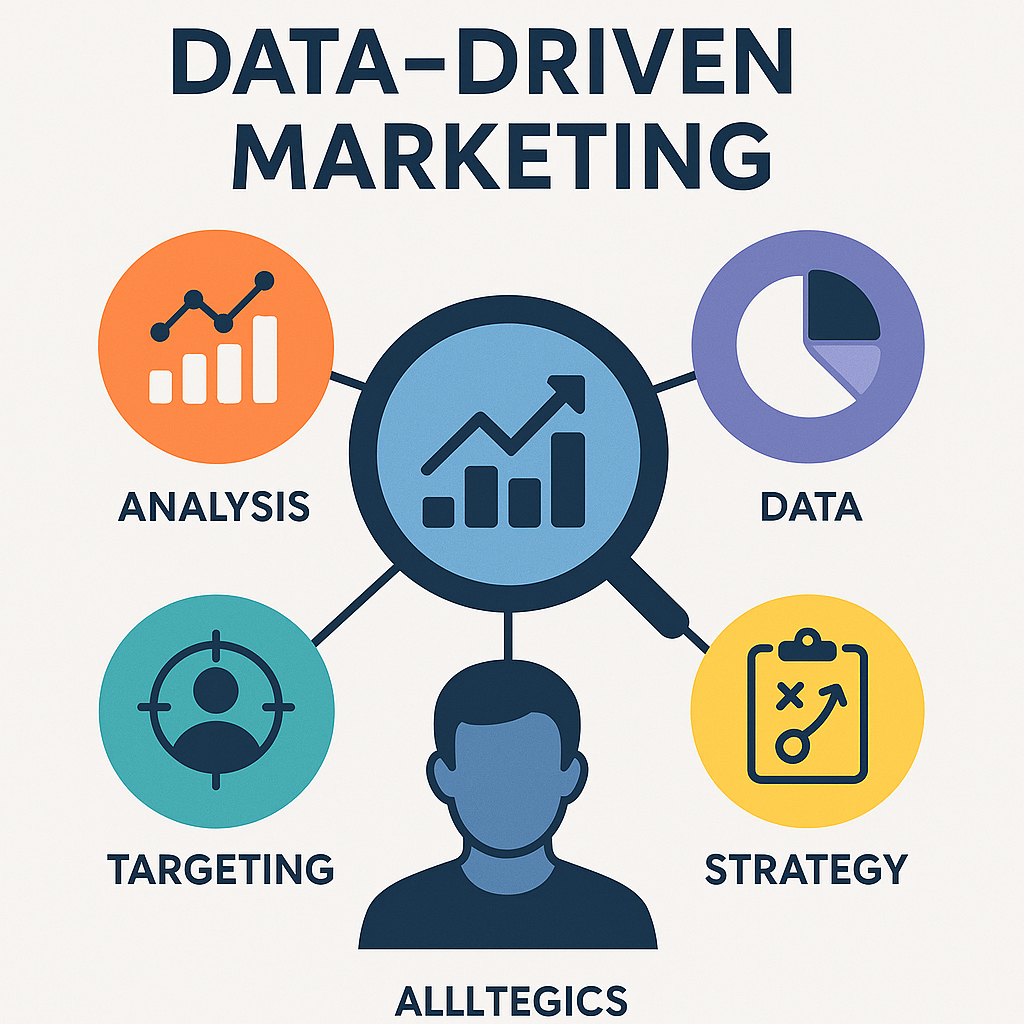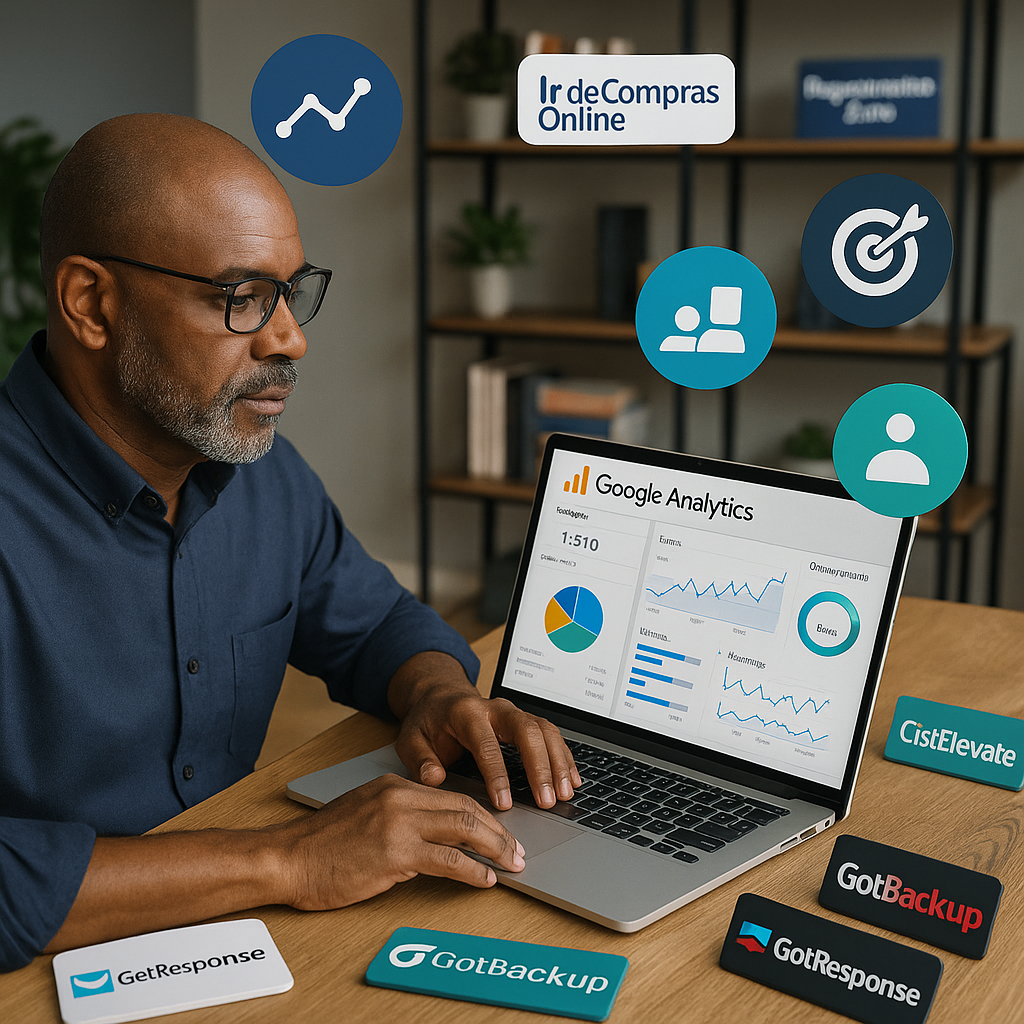
Publicado en analytics tools, data analytics, 📊 Data & Optimization Strategies, keyword strategy, marketing performance, SEO optimization

Google Analytics: Understanding Your Data Like a Pro

📉 Week 14: Google Analytics


Learn how to use Google Analytics to track, measure, and improve your digital marketing performance. Discover key metrics, tools, and insights to grow your online business effectively.


🌟 Introduction

In the digital world, data is everything — but it’s only valuable if you understand it. That’s where Google Analytics comes in.

This free yet powerful tool helps you track who visits your website, where they come from, and what they do once they’re there. With this information, you can make smarter decisions, improve user experience, and maximize your marketing results.

Let’s break down how to use Google Analytics like a pro and transform raw data into meaningful business insights.


🧠 1. What Is Google Analytics?

Google Analytics is a web analytics platform that tracks and reports website traffic, user behavior, and campaign performance.

It tells you not just how many people visit your site, but who they are, what they want, and how they interact with your content.

Think of it as your digital dashboard — helping you monitor every aspect of your online performance in real time.


📊 2. Why Google Analytics Is Essential

Without analytics, you’re flying blind. With it, you can make data-driven decisions that improve your ROI.

Here’s why it matters:

  • 🎯 Understand Your Audience: Learn demographics, interests, and behavior.
  • 💰 Track Conversions: See which campaigns drive sales or leads.
  • 🧭 Measure Marketing Channels: Identify which platforms deliver the best traffic.
  • ⚙️ Optimize Content: Discover which pages attract or lose visitors.
  • 📈 Improve ROI: Invest your time and budget where it matters most.

Analytics gives you the power to predict, plan, and perform better.


🧩 3. Key Metrics You Should Monitor

To make sense of the data, focus on these fundamental metrics:

MetricMeaningWhy It Matters
UsersNumber of unique visitorsShows total reach and audience growth
SessionsTotal visits, including repeatsMeasures engagement frequency
Bounce Rate% of visitors leaving without interactionIndicates content relevance and UX
Average Session DurationAverage time spent on siteReveals user interest level
Traffic SourcesWhere visitors come fromHelps identify top-performing channels
Conversion Rate% of users completing a goalMeasures campaign effectiveness

Each of these tells a different story about how well your website performs.


⚙️ 4. Setting Up Google Analytics

If you haven’t already, setting up Google Analytics is easy:

  1. Sign Up: Go to analytics.google.com.
  2. Add Your Website: Create a new property for your domain.
  3. Install Tracking Code: Copy the provided JavaScript code into your site header.
  4. Verify Data: Use the “Real-Time” view to confirm tracking works.

From there, you can start gathering data immediately.


📍 5. Understanding Traffic Channels

Google Analytics categorizes your traffic into key channels:

  • Organic Search: Visitors from search engines (SEO).
  • Direct: Visitors typing your URL directly.
  • Referral: Visitors coming from other websites.
  • Social: Traffic from social media platforms.
  • Email: Visitors clicking links in newsletters.
  • Paid Search: Visitors from Google Ads campaigns.

Knowing where your audience comes from helps you focus your marketing budget wisely.


💡 6. Advanced Features for Marketers

Once you’re comfortable with the basics, explore these powerful tools:

Goals & Conversions: Track actions like purchases, sign-ups, or downloads.
UTM Parameters: Add tags to your links to track specific campaigns.
Behavior Flow: Visualize how visitors navigate your site.
Audience Reports: Segment users by demographics or interests.
Custom Dashboards: Monitor your favorite metrics in one view.

These insights reveal the “why” behind your numbers — helping you act strategically.


📈 7. Common Mistakes to Avoid

❌ Ignoring data trends — small shifts can signal big opportunities.
❌ Focusing on vanity metrics like “likes” instead of conversions.
❌ Forgetting to track goals or set up events.
❌ Not connecting Google Analytics with Google Ads for unified reporting.

Remember: data without interpretation is just noise — your job is to find the story in the stats.


🚀 Conclusion & Call to Action

Google Analytics is more than a tracking tool — it’s your digital compass. It guides you toward what’s working and away from what’s not, helping you grow with clarity and confidence.

👉 This week, spend 30 minutes exploring your Analytics dashboard. Identify your top-performing pages, your biggest traffic sources, and one metric you want to improve.

Next week: Week 15 — Video Advertising: How to Captivate, Engage, and Convert.
Publicado en Automatización Online, Marketing Digital

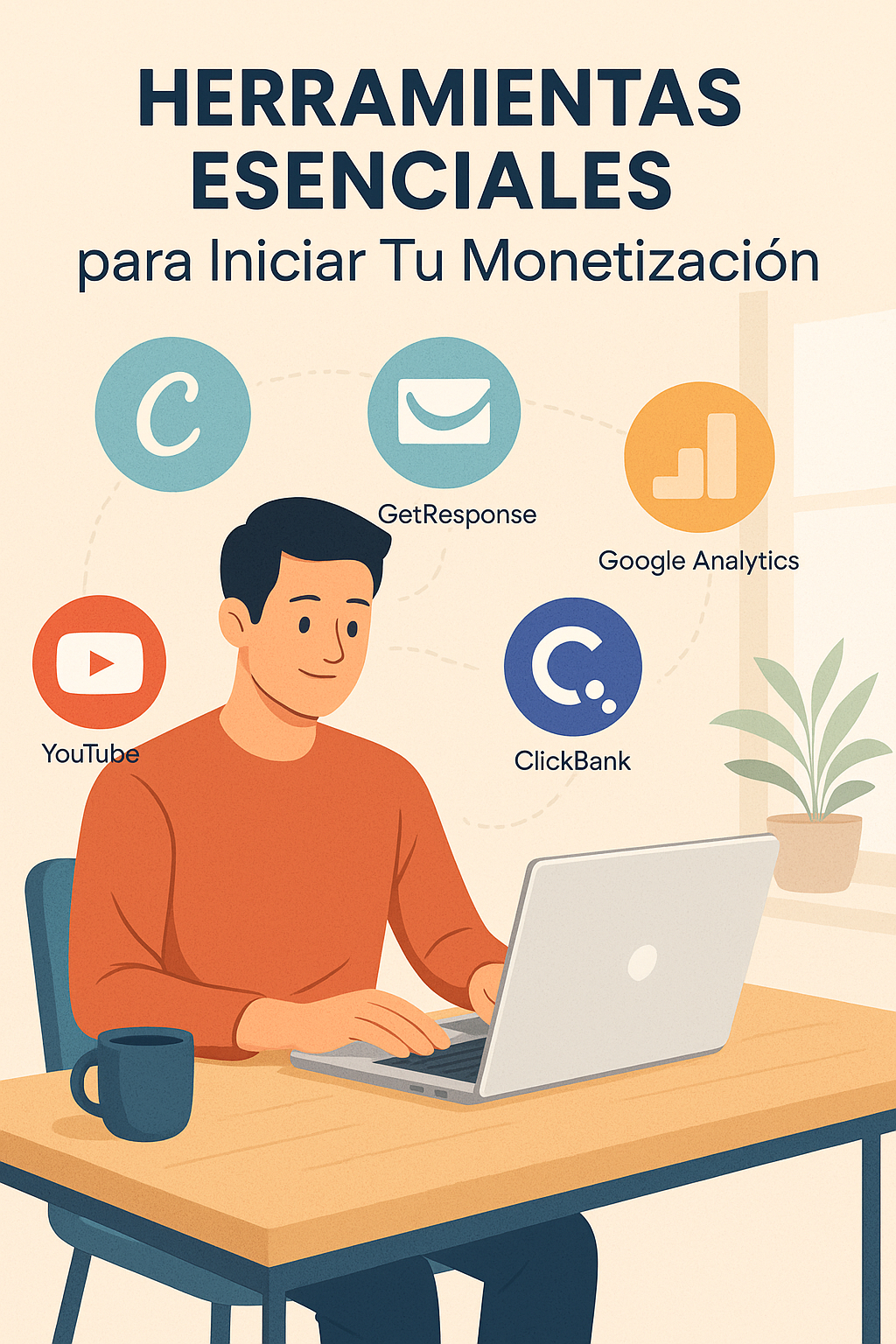
Herramientas Esenciales para Iniciar Tu Monetización

🎓 “El Camino Hacia la Monetización Digital”


Descubre las herramientas imprescindibles para comenzar tu monetización digital. Aprende qué usar para crear, automatizar y escalar tus ingresos online.


🌍 Introducción

Si la monetización digital fuera un viaje, las herramientas serían tu vehículo.

No importa si comienzas desde cero o si ya tienes experiencia: las herramientas adecuadas aceleran tu progreso, simplifican tu trabajo y multiplican tus resultados.

“No necesitas ser experto en tecnología, solo saber qué herramientas usar y cómo hacerlas trabajar para ti.”


💻 1. Plataforma base: Tu centro de operaciones

Todo negocio digital necesita un lugar donde vivir. Puede ser:

  • 🌐 Blog o sitio web: WordPress, Wix, o Shopify si vendes productos.
  • 🎥 Canal de YouTube: ideal para monetizar con contenido visual.
  • 📱 Red social profesional: como Instagram, LinkedIn o TikTok para conectar con tu audiencia.

💡 Consejo: elige una plataforma donde disfrutes crear contenido; eso te garantizará consistencia.


💌 2. Herramientas de Email Marketing

El correo electrónico sigue siendo el rey de la monetización.

Sirve para construir relaciones, educar y vender de manera directa.

Las más recomendadas:

  • GetResponse 🟢 (perfecta para automatizar embudos y autoresponders)
  • AWeber
  • ConvertKit
  • MailerLite

💬 Usa el email para nutrir confianza, no solo para vender.


💬 3. Creación de Contenido y Diseño

Un buen contenido atrae, retiene y vende.

Para destacar, necesitas herramientas visuales y creativas:

  • Canva: diseña imágenes, portadas y videos en minutos.
  • CapCut o InVideo: para editar videos educativos o promocionales.
  • ChatGPT + Grammarly: para generar y perfeccionar textos con estilo profesional.

💡 Tu contenido es tu carta de presentación; cuídalo como un activo de negocio.


💸 4. Plataformas de Monetización y Afiliación

Para ganar dinero, necesitas un sistema que te pague.

Algunas opciones seguras y probadas:

  • GotBackUp (respaldo en la nube + oportunidad de ingresos).
  • ClickBank, Digistore24 o WarriorPlus: redes de afiliados globales.
  • Amazon Afiliados o eBay Partner Network: productos físicos.
  • HelloRep.ai o ListElevate: automatización + marketing inteligente.

💬 Diversificar tus fuentes de ingreso te da estabilidad y crecimiento constante.


📈 5. Herramientas de Tráfico y Análisis

Sin tráfico, no hay resultados. Estas herramientas te ayudan a medir y mejorar:

  • Google Analytics: analiza visitas, fuentes y comportamiento.
  • Meta Ads / Google Ads: campañas pagas para acelerar resultados.
  • Ubersuggest / Semrush: analiza palabras clave y competencia.
  • Bitly: acorta y rastrea clics en tus enlaces.

📊 Mide lo que haces para mejorar lo que vendes.


🔒 6. Seguridad, Automatización y Almacenamiento

La seguridad también forma parte de la monetización responsable.

  • GotBackUp: guarda y protege tus archivos importantes.
  • LastPass: gestiona contraseñas seguras.
  • Zapier / Make (Integromat): automatiza tareas entre apps.

💡 El tiempo que automatizas es libertad que ganas.


💬 Conclusión

Las herramientas no hacen al marketer, pero sí lo potencian.

Aprender a combinarlas con estrategia, constancia y propósito es la diferencia entre intentar y lograr.

“Una herramienta en manos equivocadas es solo un gasto; en manos sabias, es una fuente de ingresos.”

Publicado en analytics tools, data analytics, 📊 Data & Optimization Strategies, keyword strategy, marketing performance, SEO optimization

Data-Driven Marketing: How to Make Smarter Decisions Using Analytics

📊 Week 5: Data-Driven Marketing


Discover how data-driven marketing helps you make smarter business decisions. Learn how to collect, analyze, and apply data to boost your campaigns and maximize ROI.


🌟 Introduction

In the world of digital marketing, data is power. Every click, view, and purchase tells a story — and those stories reveal exactly what your audience wants. Marketers who understand and use this data make decisions not based on guesses or trends but on facts.

Data-driven marketing transforms insights into action. It’s about using analytics to understand your audience, measure performance, and improve every marketing decision. Let’s explore how to harness the power of data to grow your business intelligently and efficiently.


📈 1. What Is Data-Driven Marketing?

Data-driven marketing is the practice of using information from customer interactions and behaviors to optimize your campaigns.

Instead of relying on assumptions, you analyze real data to understand:

  • Who your audience is
  • What content engages them most
  • When they’re most likely to act
  • Which channels drive conversions

This approach turns your marketing into a science — where every decision has measurable results.

Example:

If your analytics show that 70% of your visitors come from mobile devices, you’ll prioritize mobile-friendly designs and ads.


🧠 2. The Benefits of Data-Driven Marketing

When you base your strategy on accurate data, your marketing becomes more precise, efficient, and profitable.

Key Benefits Include:

  • 🎯 Better Targeting: Reach the right people at the right time.
  • 💡 Improved Decision-Making: Use performance metrics to guide your next move.
  • 💰 Higher ROI: Focus resources on what truly works.
  • 🧩 Personalization: Tailor your message to each segment of your audience.
  • 🔄 Continuous Improvement: Monitor, analyze, and refine for better results every time.

Data gives you clarity — and clarity gives you control.


📊 3. The Core Types of Marketing Data

Understanding what data to track is key. Here are the main types marketers rely on:

  1. Demographic Data: Age, gender, income, location.
  2. Behavioral Data: Pages visited, time spent, clicks, downloads.
  3. Engagement Data: Likes, comments, shares, and email open rates.
  4. Transactional Data: Purchases, cart value, and repeat orders.
  5. Psychographic Data: Interests, attitudes, and motivations.

By combining these insights, you create a full 360° view of your audience.


📉 4. Essential Analytics Tools for Marketers

Data-driven marketing depends on having the right tools. Here are some of the most effective ones:

  • Google Analytics: Track traffic, conversions, and visitor behavior.
  • Google Data Studio: Visualize and report your marketing data.
  • Meta Insights (Facebook / Instagram): Measure ad performance and audience demographics.
  • GetResponse Analytics: Understand email open rates, clicks, and conversions.
  • Hotjar or Crazy Egg: See heatmaps of where users click and scroll on your website.

Each of these tools helps you understand not just what happens but why it happens.


🔍 5. Turning Data Into Action

Collecting data is only half the battle — what matters is how you use it.

Here’s how to apply your insights effectively:

  1. Identify trends: What’s working and what isn’t.
  2. Optimize campaigns: Adjust your copy, visuals, or targeting based on performance.
  3. A/B test ideas: Compare different versions of a page or ad.
  4. Predict behavior: Use historical data to forecast future results.
  5. Refine your message: Personalize communication for better engagement.

Data without action is just numbers — action turns numbers into results.


💬 6. Real-World Example

Imagine you launch two email subject lines:

  • A: “Get 50% Off This Weekend!”
  • B: “Your Exclusive Weekend Deal Inside 🎁”

After analyzing the results, you find Subject B had a 30% higher open rate. That simple data insight tells you how your audience prefers to be spoken to — and helps you optimize all future campaigns.


🚀 Conclusion & Call to Action

In the digital age, intuition is valuable — but data is irrefutable.

When you make decisions based on analytics, your marketing evolves from guessing to knowing.

👉 This week, log in to your analytics dashboard and identify one key metric you’ll track consistently — whether it’s traffic, conversions, or engagement.

Small insights, when applied consistently, lead to massive growth.

Next week: Week 6 — Website & Search Optimization: How to Rank Higher and Attract More Visitors.