El presidente indicó que la medida multimillonaria podría concretarse en las próximas dos semanas
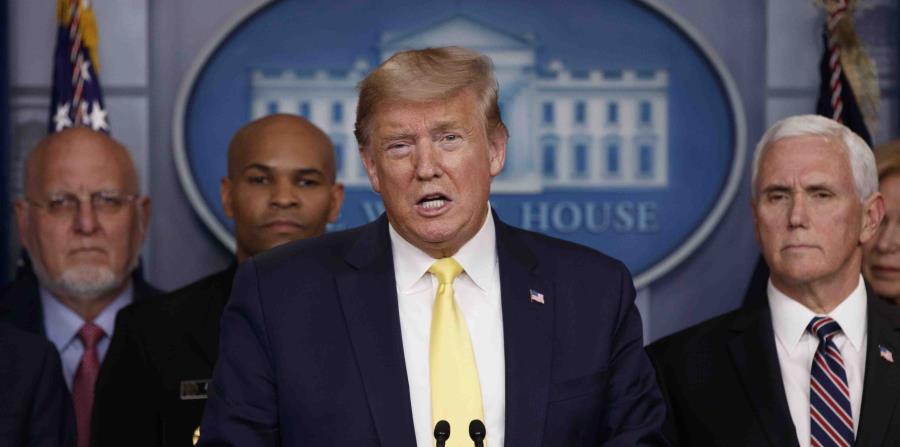
El gobierno del presidente Donald Trump planifica enviar «cheques» con efectivo a los ciudadanos «de manera inmediata» para contener el impacto económico del coronavirus, informó este martes el secretario del Tesoro, Steven Mnuchin.
«Estamos estudiando enviar cheques a los estadounidenses de manera inmediata (…) Los estadounidenses necesitan efectivo ahora», aseguró Mnuchin en una rueda de prensa en la Casa Blanca, al delinear algunas de las propuestas del multimillonario paquete de estímulo fiscal que presentará hoy al Congreso.
«Y quiero decir en las próximas dos semanas», agregó.
El secretario del Tesoro evitó ofrecer una cifra concreta acerca del monto de esos cheques.
Los medios estadounidenses han adelantado que el paquete fiscal podría superar los $850,000 millones entre aplazamientos del pago de impuestos, asistencia a sectores especialmente afectados como las aerolíneas u hoteles, y la entrega de efectivo a los ciudadanos.
Previamente, el Departamento del Tesoro y la Reserva Federal habían anunciado nuevas medidas excepcionales para aumentar la liquidez de los mercados financieros por valor de más de $500,000 millones, ante las tensiones generadas por la rápida expansión del coronavirus.
«Vamos ser ambiciosos y atrevidos», remarcó el propio Trump en la misma conferencia de prensa.
La propuesta, no obstante, debe ser discutida y aprobada por el Congreso de EE.UU., donde la oposición demócrata controla la Cámara de Representantes y los republicanos, el Senado.
Trump reconoció este lunes que es «posible» que la economía de EE.UU. se encamine a una recesión ante la magnitud de las medidas adoptadas para frenar la expansión de la epidemia, entre las que figuran la restricción de los viajes internacionales, las cancelaciones de eventos masivos y el cierre de bares y restaurantes.
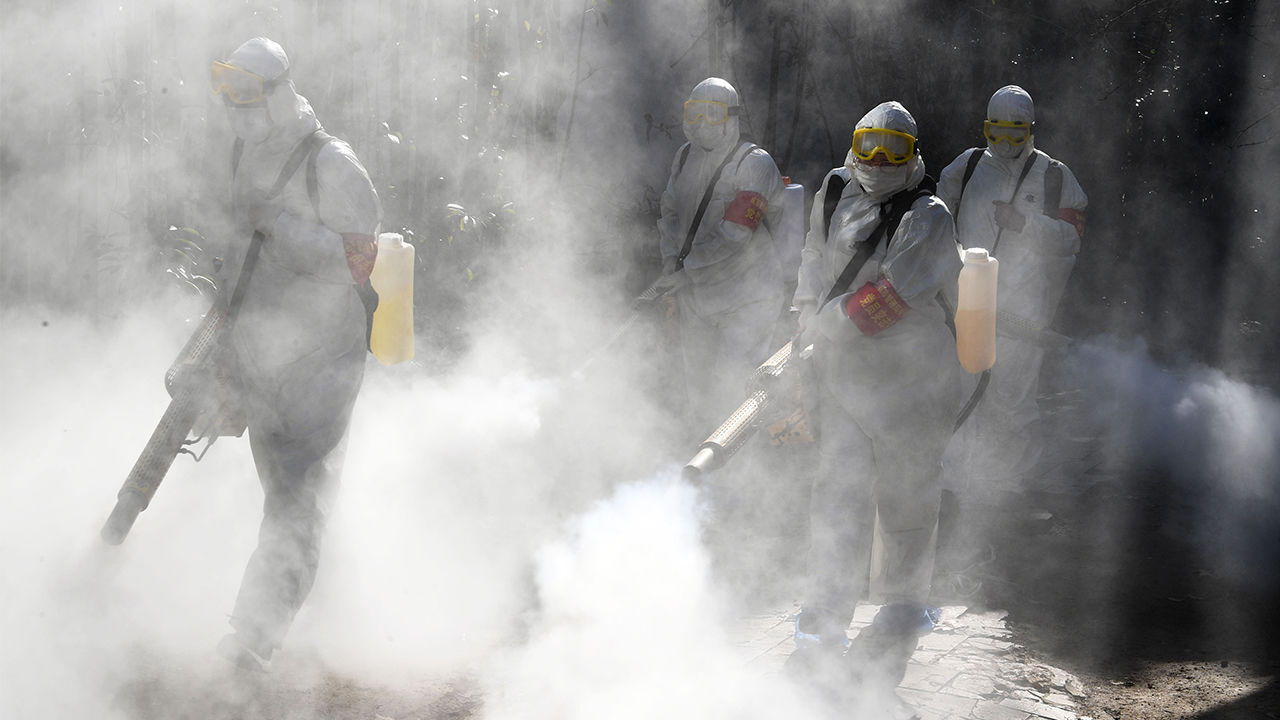
Photos from the areas hardest hit by the novel coronavirus SARS-CoV-2 tell a story of disinfection: Trucks spraying streets and a phalanx of sanitation workers wearing backpack tanks fogging sidewalks, parks, and plazas in China, South Korea, Italy, and elsewhere. Countless recommendations admonish us to wash our hands and disinfect often-touched surfaces in our homes. But what is the most effective way to prevent exposure to the virus?
Like other coronaviruses, severe acute respiratory syndrome coronavirus 2, which causes COVID-19, is thought to spread most commonly through invisible respiratory droplets sent into the air when an infected person coughs or sneezes. Those droplets can then be inhaled by nearby people or land on surfaces that others then touch, who can then get infected when they touch their eyes, nose, or mouth.
The good news from investigations of the coronavirus spread, says Juan Leon, an environmental health scientist at Emory University, is that past studies show common household disinfectants, including soap or a diluted bleach solution, can deactivate coronaviruses on indoor surfaces. “Coronaviruses are enveloped viruses with a protective fat layer,” Leon says. Disinfectants tear apart that fat layer, Leon says, which makes coronaviruses “fairly wimpy” compared to noroviruses and other common viruses that have a more robust protein shell. The Environmental Protection Agency has a list of disinfectants that have shown to be effective in fighting coronaviruses.
So, how long does SARS-CoV-2 stick around in the air or on surfaces? That depends. According to a preprint posted Tuesday on medRxiv, the virus persists in the air for up to 3 hours and for 2 to 3 days on stainless steel and plastic surfaces. In research published in the Journal of Hospital Infection, researchers found that a related coronavirus that causes SARS can persist up to 9 days on nonporous surfaces such as stainless steel or plastic. And according to reports including one published yesterday in JAMA, SARS-CoV-2 has been detected in feces, suggesting the virus could be spread by people who don’t properly wash their hands after using the bathroom. But thus far, the U.S. Centers for Disease Control and Prevention saysthere is no indicationthat it spreads through drinking water, swimming pools, or hot tubs.
So, what about outdoors? According to a variety of local news reports from cities including Shanghai and Gwangju, South Korea, the disinfectant most commonly used outdoors is a diluted solution of sodium hypochlorite, or household bleach. But it’s unclear whether bleach destroys coronaviruses outside, and if it does kill them on surfaces it’s unclear whether it would kill viruses in the air. Bleach itself breaks down under ultraviolet (UV) light. Then again, Leon says, UV light seems to destroy coronaviruses as well. And coronavirus exposure from outdoor surfaces may be limited already: “Nobody goes around licking sidewalks or trees,” Leon says.
There may even be downsides to widespread overzealous disinfection with bleach, notes Julia Silva Sobolik, a graduate student in Leon’s lab. “Bleach is highly irritating to mucous membranes,” Sobolik says. That means people exposed to sprayed disinfectants—especially the workers who spray them—are at risk of respiratory troubles, among other ailments. Sobolik notes that an October 2019 study in JAMA Network Open found that nurses who regularly used disinfectants to clean surfaces were at higher risk of chronic obstructive pulmonary disease. A 2017 study linked exposure to disinfectants to asthma to adults in Germany. Both of those studies dealt with yearslong exposure to disinfectants. Still, the message seems to be taking hold. In a recent television broadcast by state CCTV in China, Zhang Liubo, a researcher with China’s Center for Disease Control and Prevention, warned the public that, “Outdoor surfaces, such as roads, squares, lawns, should not be sprayed with disinfectants repeatedly. … Spraying disinfectants over a large area and repeatedly may cause environmental pollution and should be avoided.”
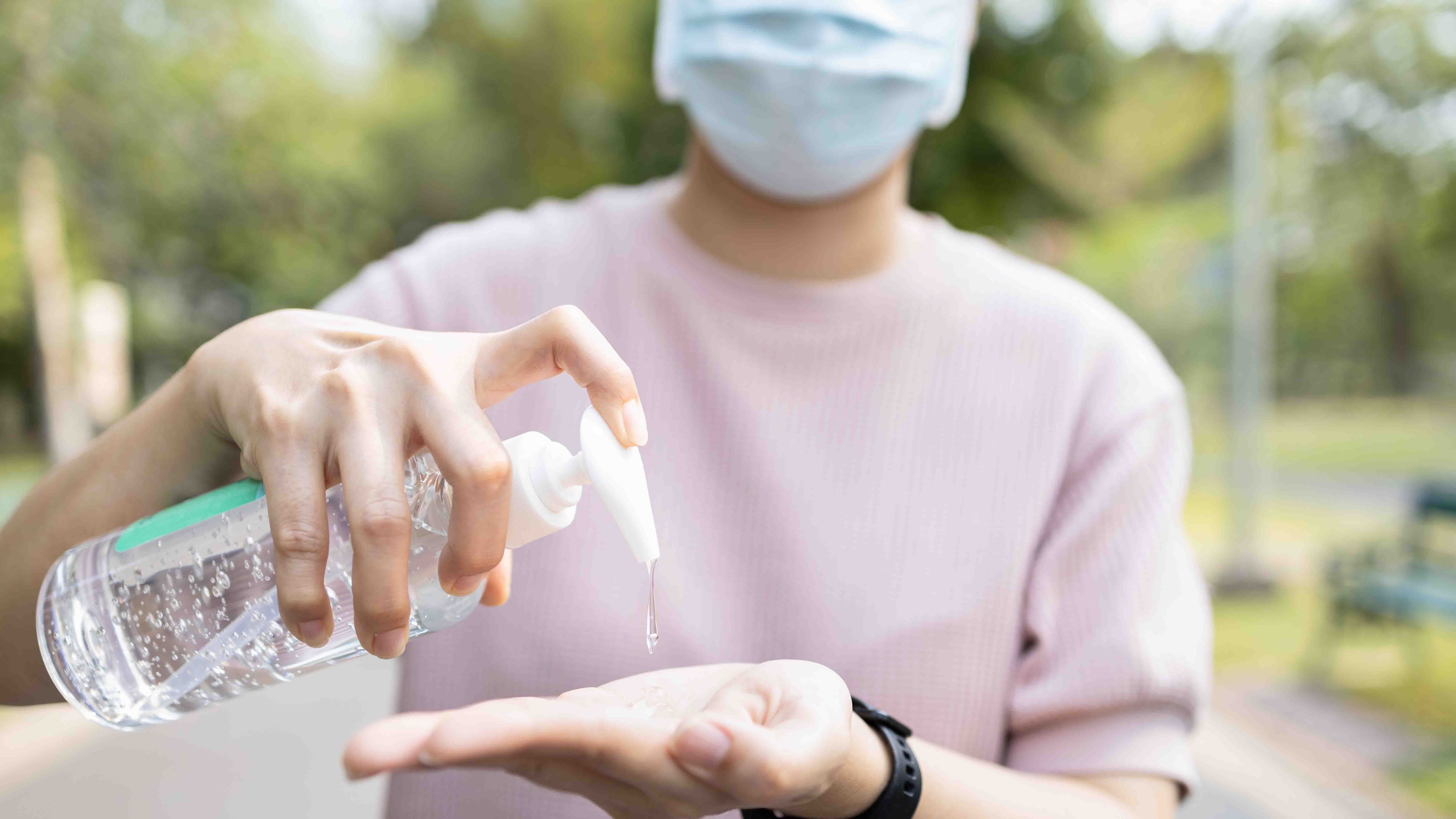
So, what’s the best path forward? Given that person-to-person contact appears the most likely route of transmission for COVID-19, “I would focus on how to minimize that contact,” Leon says. That means the usual hygiene advice, he says: Stay home if you are sick, reduce close contact with others, make sure to cover your mouth if you sneeze or cough, and wash your hands regularly for at least 20 seconds. Says Sobolik: “As simple as it sounds, it works.”
EPA dio a conocer una serie de productos desinfectantes que ayudan a prevenir el contagio por coronavirus.
La Agencia de Protección Ambiental de los Estados Unidos (EPA) dio a conocer recientemente una serie de productos desinfectantes aprobados para prevenir el contagio por coronavirus.
A pesar de que autoridades de salud pública han dado a conocer que el riesgo de contraer coronavirus es aún bajo, es importante mantener e implementar medidas de prevención, especialmente en la higiene y la limpieza diaria.
Esta es la lista de productos aprobados por EPA:
COSA OXONIA ACTIVE
VIRASEPT
BLEACH DISINFECTANT CLEANER
OXYCIDE DAILY DESINFECTANT CLEANER
PEROXIDE MULTI SURFACE CLEANER AND DISINFECTANT
KLERICIDE 70/30 IPA
PEROXIDE DISINFECTANT AND GLASS CLEANER RTU
SC-RTU DISINFECTANT CLEANER
Stepan Spray Disinfectant Concentrate
DETERGENT DISINFECTANT PUMP SPRAY
CONDOR 2
RAPTOR 5
FIREBIRD F130
FORMATION HWS-256
FORMULATION HWS-128
HWS-64
FORMULATION HWS-32
Clorox Healthcare Bleach Germicidal Cleaner Spray
Clorox Multi Surface Cleaner + Bleach
Clorox Pet Solutions Advanced Formula Disinfecting Stain & Odor Remover
Clorox Disinfecting Bleach2
Clorox Performance Bleach1
Clorox Germicidal Bleach3
Clorox Clean Up Cleaner + Bleach
Clorox Disinfecting Bathroom Cleaner
Clorox Disinfecting Wipes
Clorox Toilet Bowl Cleaner with Bleach
STERILEX ULTRA STEP
STERLEX ULTRA DISINFECTANT
CLEANER SOLUTION 1
LYSOL BRAND HEAVY DUTY CLEANER DESINFECTANT CONCENTRATE
Clorox Healthcare Bleach Germicidal Wipes
Clorox Commercial Solutions Toilet Bowl Cleaner with Bleach1
Clorox Commercial Solutions Clorox Clean-Up Disinfectant Cleaner with Bleach1
Debe estar conectado para enviar un comentario.