Por Marvin Gandis
El Problema Ya No Es Solo No Saber
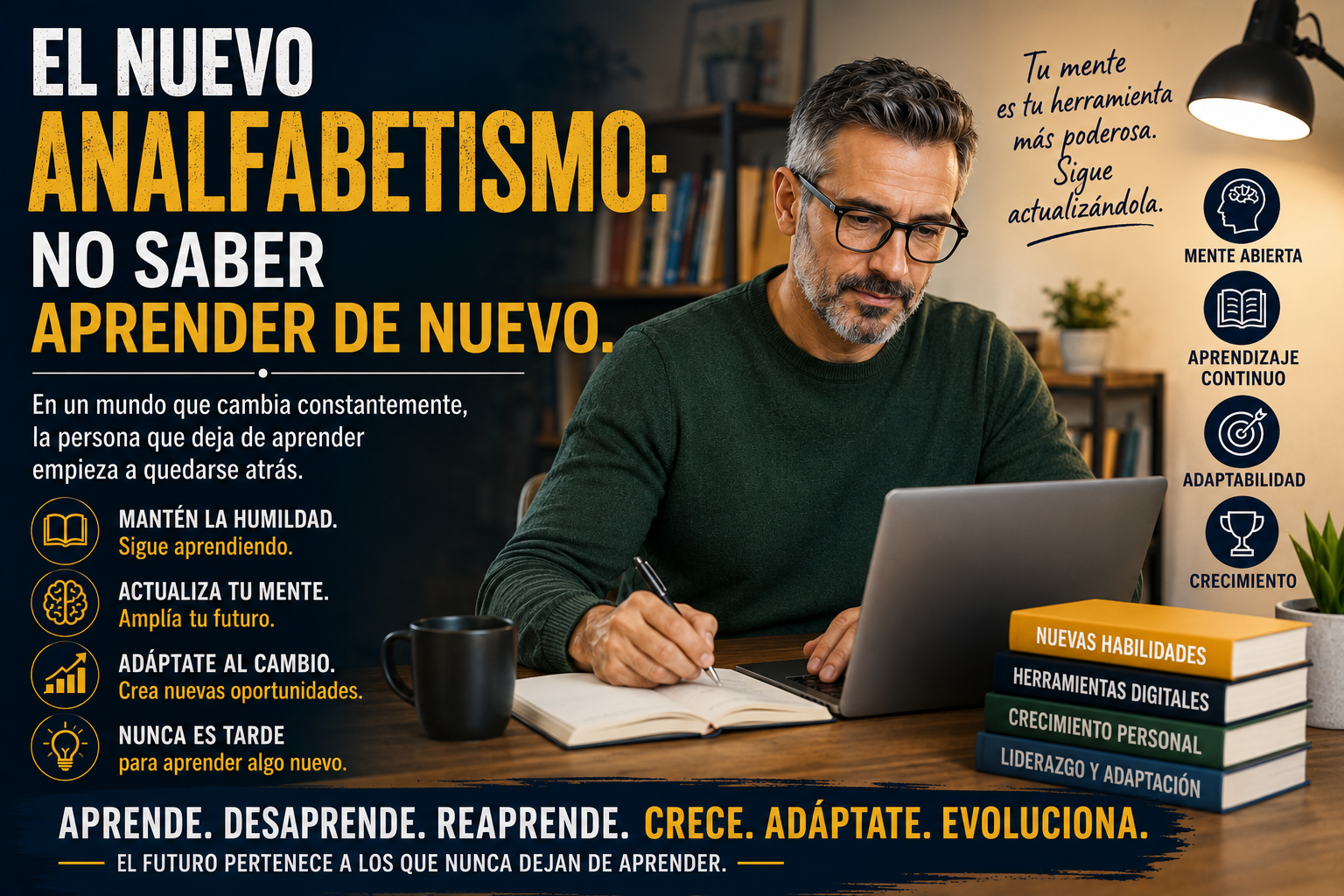
Durante mucho tiempo, cuando hablábamos de analfabetismo, pensábamos en una persona que no sabía leer ni escribir. Pero en el mundo actual existe una forma nueva y peligrosa de analfabetismo:
- No saber aprender de nuevo.
Hoy, una persona puede saber leer, escribir, usar un teléfono, enviar mensajes y navegar por internet, pero aun así quedarse atrás porque se niega a actualizarse.
El problema no siempre es la falta de inteligencia. Muchas veces es la resistencia al cambio.
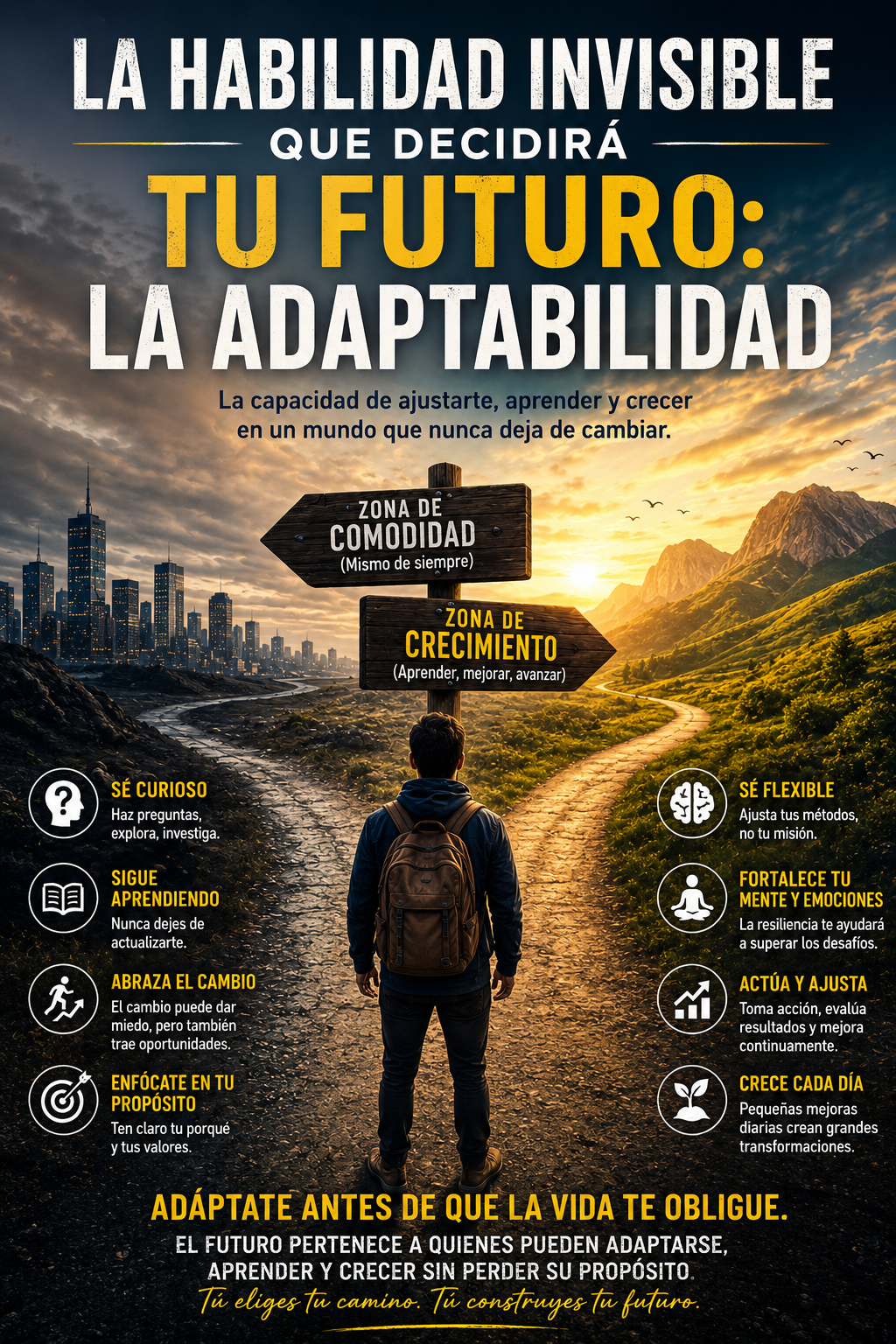
Vivimos en una época donde las herramientas cambian, los trabajos cambian, los negocios cambian, la tecnología cambia, la economía cambia y la manera de comunicarnos cambia.
Por eso, una de las frases más peligrosas que una persona puede decir es:
- “Yo ya sé suficiente.”
Porque en un mundo que cambia constantemente, creer que ya no necesitas aprender puede convertirse en una trampa silenciosa.
Saber Ayer No Garantiza Entender Hoy
La experiencia es valiosa. Nadie debe despreciar los años vividos, las lecciones aprendidas ni el conocimiento adquirido con esfuerzo.
Pero la experiencia puede convertirse en una limitación cuando dejamos de actualizarla.
- Lo que funcionaba antes puede no funcionar igual hoy.
- La forma de vender cambió.
- La forma de comunicarse cambió.
- La forma de aprender cambió.
- La forma de construir confianza cambió.
- La forma de trabajar cambió.
No significa que todo lo antiguo sea inútil. Significa que debemos aprender a unir sabiduría con actualización.
Una persona sabia no descarta su experiencia, pero tampoco la usa como excusa para rechazar lo nuevo.
El Orgullo Es Enemigo del Aprendizaje
Uno de los mayores obstáculos para aprender de nuevo es el orgullo.
El orgullo dice:
- “Eso no es para mí.”
- “Yo no necesito aprender eso.”
- “Eso es para los jóvenes.”
- “Yo siempre lo he hecho de esta manera.”
- “Eso no va a funcionar.”
- “Ya estoy muy viejo para empezar.”
Pero la humildad dice:
- “Puedo aprender.”
- “Puedo mejorar.”
- “Puedo pedir ayuda.”
- “Puedo comenzar despacio.”
- “Puedo actualizarme sin perder mi identidad.”
El aprendizaje requiere humildad porque nos obliga a reconocer que no lo sabemos todo.
Y eso no es vergüenza. Eso es sabiduría.
La persona que puede volver a aprender, aunque tenga experiencia, se mantiene viva mentalmente.
La Tecnología No Espera a que Nos Sintamos Listos
Muchas personas esperan sentirse listas antes de aprender algo nuevo.
Pero la tecnología no espera.
- Las plataformas cambian.
- Las herramientas digitales evolucionan.
- La inteligencia artificial avanza.
- Los negocios se automatizan.
- Los consumidores cambian sus hábitos.
- Las audiencias se mueven hacia nuevos espacios.
Quien espera demasiado puede terminar dependiendo de otros para todo.
No se trata de convertirnos en expertos de la noche a la mañana. Se trata de mantener una actitud de aprendizaje constante.
- Aprender una herramienta nueva.
- Entender un concepto nuevo.
- Probar una estrategia nueva.
- Leer una guía.
- Ver un tutorial.
- Practicar un poco cada día.
La ignorancia tecnológica no siempre llega de golpe. A veces se acumula poco a poco por años de resistencia.
Aprender de Nuevo No Significa Empezar Desde Cero
Muchas personas tienen miedo de aprender algo nuevo porque sienten que eso invalida todo lo que ya saben.
Pero aprender de nuevo no borra tu pasado.
Lo mejora.
- Tu experiencia sigue siendo valiosa.
- Tu historia sigue importando.
- Tus errores siguen enseñando.
- Tu carácter sigue contando.
- Tu sabiduría sigue teniendo peso.
La diferencia es que ahora necesitas usar todo eso en un nuevo contexto.
- Un maestro puede aprender herramientas digitales.
- Un vendedor puede aprender marketing online.
- Un líder puede aprender comunicación moderna.
- Un emprendedor puede aprender automatización.
- Una persona mayor puede aprender tecnología paso a paso.
No estás empezando desde cero. Estás construyendo sobre lo que ya eres.
La Persona Que Aprende Se Vuelve Más Difícil de Derrotar
Cuando una persona decide seguir aprendiendo, desarrolla una ventaja silenciosa.
- Puede adaptarse mejor.
- Puede recuperarse más rápido.
- Puede entender nuevas oportunidades.
- Puede evitar errores repetidos.
- Puede comunicarse con nuevas generaciones.
- Puede encontrar soluciones donde antes veía obstáculos.
Aprender no garantiza una vida fácil, pero aumenta tu capacidad para responder a la vida con inteligencia.
La persona que aprende no queda atrapada en una sola versión de sí misma.
Puede evolucionar.
Y en tiempos de cambio, evolucionar es una forma de sobrevivir.
El Aprendizaje También Es una Responsabilidad Personal
Es fácil culpar al mundo.
- “La economía está difícil.”
- “La tecnología va muy rápido.”
- “La gente ya no escucha.”
- “Las redes sociales cambiaron.”
- “Los negocios ya no son como antes.”
Puede haber verdad en esas frases. Pero también debemos preguntarnos:
- ¿Qué estoy aprendiendo?
- ¿Qué estoy evitando aprender?
- ¿Qué habilidad he postergado demasiado?
- ¿Qué herramienta me intimida?
- ¿Qué parte de mi mentalidad necesita actualizarse?
La responsabilidad personal no significa culparte de todo. Significa reconocer que todavía tienes poder para crecer.
No puedes controlar todos los cambios del mundo, pero sí puedes decidir cómo responder ante ellos.
Aprender Requiere Paciencia
Uno de los errores más grandes es querer aprender algo nuevo sin pasar por la incomodidad del comienzo.
Todo aprendizaje tiene una etapa torpe.
- Al principio te puedes sentir lento.
- Puedes equivocarte.
- Puedes confundirte.
- Puedes necesitar ayuda.
- Puedes sentir frustración.
Eso es normal.
Nadie domina algo importante sin pasar por una etapa de aprendizaje.
La paciencia te ayuda a no abandonar demasiado pronto.
- No digas: “No sirvo para esto.”
- Di: “Todavía estoy aprendiendo.”
Esa pequeña diferencia cambia tu mentalidad.
La Educación Ya No Termina con un Diploma
Antes, muchas personas pensaban que estudiar era una etapa de la vida.
Se estudiaba, se trabajaba y luego se repetía lo aprendido durante años.
Pero hoy el aprendizaje debe ser continuo.
- No importa tu edad.
- No importa tu profesión.
- No importa tu experiencia.
- No importa tu nivel actual.
Siempre hay algo que aprender.
- Comunicación.
- Tecnología.
- Finanzas.
- Marketing.
- Liderazgo.
- Inteligencia emocional.
- Seguridad digital.
- Creación de contenido.
- Relaciones humanas.
- Pensamiento crítico.
La educación moderna no termina. Se renueva.
Cómo Vencer el Nuevo Analfabetismo
Primero, acepta que no saber algo no es una vergüenza.
La vergüenza no está en no saber. La verdadera pérdida está en negarse a aprender.
Segundo, escoge una habilidad por vez.
No intentes aprender todo al mismo tiempo. Escoge una cosa importante y comienza.
Tercero, practica en pequeño.
Dedica 15 o 20 minutos al día a aprender o practicar algo nuevo.
Cuarto, pregunta sin miedo.
Pedir ayuda no te hace menos capaz. Te hace más sabio.
Quinto, aplica lo que aprendes.
El conocimiento que no se usa se olvida. Aprende, practica, ajusta y repite.
Sexto, mantén una mente flexible.
No todo cambio es amenaza. Algunos cambios son oportunidades disfrazadas.
El Futuro Favorece a los Aprendices
El futuro no será amable con quienes se niegan a crecer.
Pero ofrecerá oportunidades a quienes están dispuestos a aprender, desaprender y volver a aprender.
- No necesitas saberlo todo.
- No necesitas dominarlo todo hoy.
- No necesitas competir con expertos de inmediato.
Solo necesitas mantener una actitud humilde y activa:
- “Puedo aprender algo nuevo.”
- “Puedo mejorar paso a paso.”
- “Puedo actualizar mi mente.”
- “Puedo adaptarme sin perder mi esencia.”
Esa actitud puede cambiar tu vida.
Nunca Es Tarde Para Aprender de Nuevo
Mi estimado lector o amigo, el nuevo analfabetismo no es no saber leer. Es negarse a seguir aprendiendo en un mundo que sigue cambiando.
No permitas que el orgullo, el miedo, la edad, la comodidad o la frustración te roben la oportunidad de crecer.
- Aprender de nuevo no te hace débil.
- Te hace flexible.
- Te hace sabio.
- Te hace útil.
- Te hace vigente.
- Te hace más preparado.
El mundo seguirá cambiando.
La pregunta es:
- ¿Cambiarás tú también con sabiduría?
No tienes que hacerlo todo perfecto. Solo empieza.
- Aprende algo nuevo.
- Haz una pregunta.
- Lee una guía.
- Practica una herramienta.
- Mejora una habilidad.
- Actualiza tu mente.
Porque en el mundo moderno, quien deja de aprender empieza a quedarse atrás.
Pero quien aprende de nuevo,
vuelve a abrir puertas.
Aviso Legal:
Este artículo se ofrece con fines educativos, motivacionales, inspiradores e informativos. Su propósito es fomentar la reflexión, el aprendizaje continuo, el crecimiento personal, la conciencia digital, la adaptabilidad y la toma responsable de decisiones.
El contenido no debe interpretarse como asesoría financiera, legal, médica, psicológica, tecnológica, educativa ni profesional. Cualquier ejemplo relacionado con desarrollo personal, tecnología, herramientas digitales, negocios, emprendimiento, liderazgo, aprendizaje online o éxito no representa una garantía de resultados específicos.
Los resultados individuales pueden variar según el esfuerzo, la constancia, la experiencia, el acceso a recursos, la disciplina personal, las condiciones del mercado, los cambios tecnológicos, la capacidad de aprendizaje y otros factores fuera de nuestro control.
Se recomienda a cada lector usar su propio criterio, realizar su propia investigación y buscar orientación profesional calificada cuando sea necesario. El propósito de este contenido es inspirar y educar, no prometer resultados inmediatos ni sustituir asesoría profesional.
Debe estar conectado para enviar un comentario.