Publicado en Beginner Woodworking, DIY Projects, Furniture Building, Handmade Projects, Hobby Crafts, Home Decor, Home Improvement, Money Saving Tips, Woodworking

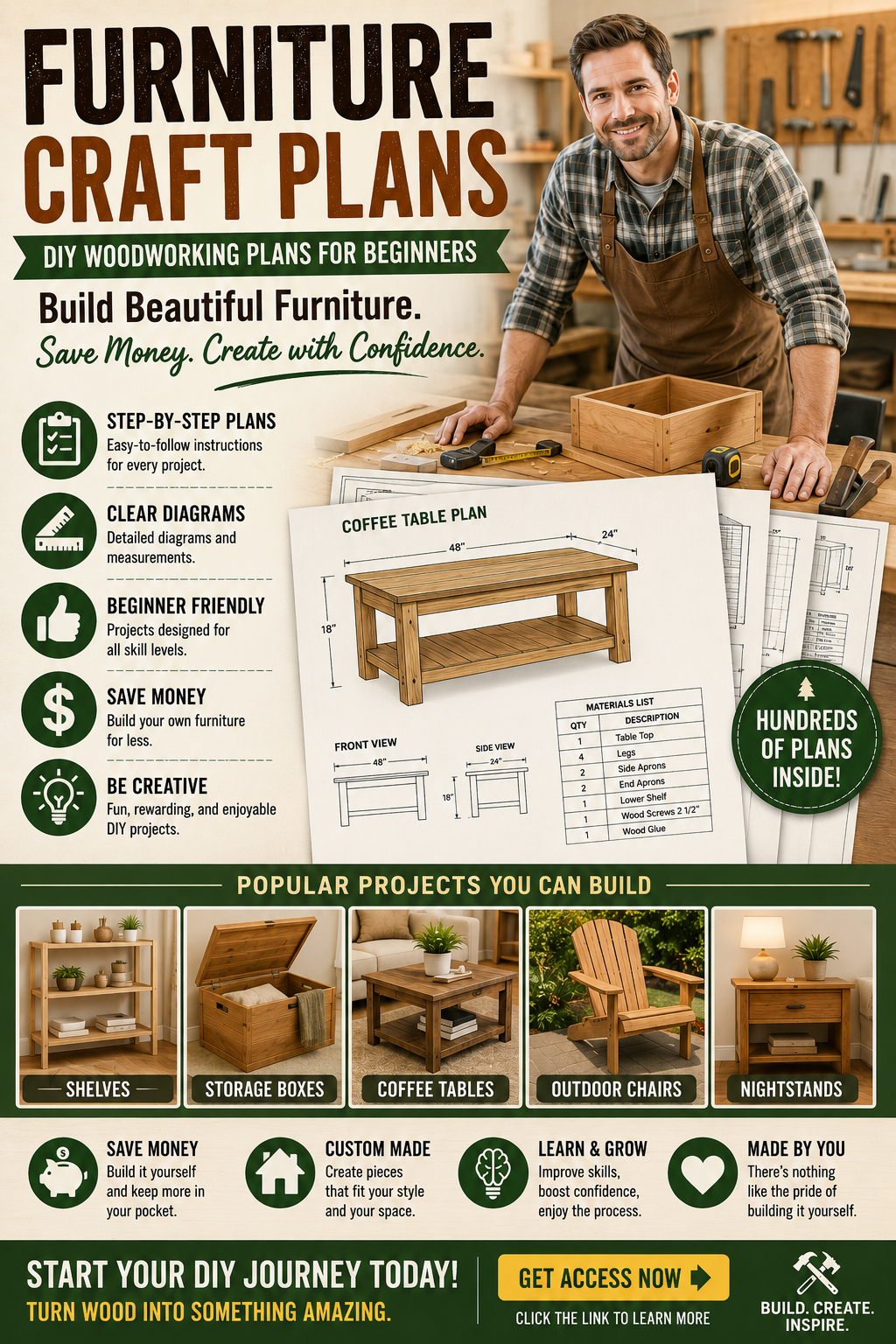
Furniture Craft Plans: A Beginner-Friendly Way to Start Building Beautiful DIY Woodworking Projects

By Marvin Gandis

There is something special about creating something with your own hands.

A table, a shelf, a bench, a cabinet, a garden chair, or a small decorative wood project is more than just an object. It becomes a personal creation. It carries effort, patience, creativity, and pride. For many people, woodworking is not only a hobby. It is a peaceful escape, a practical skill, and sometimes even the beginning of a small side business.

But here is the challenge many beginners face:

They want to build something beautiful, but they do not know where to start.

They search online, watch random videos, save pictures, and collect ideas. But when it is time to actually build, confusion begins. What measurements should be used? What tools are needed? What kind of wood is best? What steps come first? How can mistakes be avoided?

That is where having clear woodworking plans can make a big difference.

Why Woodworking Attracts So Many Beginners

Woodworking is attractive because it gives people the ability to create useful and beautiful things for their home. Instead of always buying expensive furniture, many people are discovering that they can learn to build simple projects themselves.

For beginners, woodworking can offer several benefits:

  • It can help save money on home furniture.
  • It can become a relaxing and productive hobby.
  • It can improve creativity and problem-solving skills.
  • It can help homeowners customize their spaces.
  • It can even open the door to selling handmade items.

In a world where many things are digital, fast, and disposable, woodworking feels real. It gives people the satisfaction of slowing down, measuring carefully, shaping materials, and seeing progress with their own eyes.

The Biggest Problem Beginners Face

Many beginners do not fail because they lack talent. They fail because they start without a clear plan.

Trying to build furniture without proper guidance can lead to wasted wood, wrong measurements, frustration, unfinished projects, and money spent on materials that do not produce the desired result.

A beginner may see a beautiful coffee table online and think, “I can build that.” But without a step-by-step plan, that excitement can quickly turn into confusion.

This is why project planning matters.

A good woodworking plan gives structure. It helps the builder understand the project before cutting, drilling, sanding, or assembling anything.

What Makes a Good Woodworking Plan Useful?

A helpful woodworking plan should make the project easier to understand. It should guide the builder from idea to finished result.

A strong plan usually includes:

  • Clear project instructions
  • Accurate measurements
  • A list of materials
  • A list of tools
  • Step-by-step guidance
  • Helpful diagrams or illustrations
  • A practical sequence to follow

For a beginner, this is powerful because it removes much of the guesswork.

Instead of asking, “What do I do next?” the builder can simply follow the process one step at a time.

Why Furniture Craft Plans Can Be a Helpful Resource

Furniture Craft Plans is designed for people who want access to a large collection of woodworking and furniture project ideas. It can be useful for beginners, hobbyists, DIY lovers, homeowners, and people who want to explore woodworking with more confidence.

The value of a woodworking plans bundle is not only in the number of plans. The real value is in having ideas, guidance, and inspiration organized in one place.

Instead of spending hours searching through incomplete tutorials, beginners can explore different project ideas and choose something that matches their skill level, tools, space, and goals.

Popular DIY Woodworking Project Ideas

Woodworking does not have to begin with complicated furniture. Beginners can start with simple, useful projects and slowly build confidence.

Some beginner-friendly ideas include:

  • Small wooden shelves
  • Simple benches
  • Storage boxes
  • Plant stands
  • Coffee tables
  • Outdoor chairs
  • Wooden signs
  • Bedside tables
  • Shoe racks
  • Wall décor
  • Workbenches
  • Garden furniture

Each completed project teaches something new. One project may teach measuring. Another may teach sanding. Another may teach assembly. Over time, the beginner becomes more confident and capable.

How Woodworking Can Help You Save Money

Furniture can be expensive. Even simple pieces can cost more than expected, especially when buying from retail stores.

Learning to build furniture at home can help people save money in several ways.

First, they can create custom pieces instead of buying overpriced options. Second, they can repair or improve existing furniture. Third, they can use leftover wood or affordable materials for smaller projects.

Of course, woodworking still requires tools, materials, patience, and practice. But over time, the skill can become very valuable.

A person who learns to build a simple shelf today may later build a desk, a table, or even outdoor furniture.

Woodworking as a Creative Hobby

Not every woodworking project has to be about saving money. For many people, the biggest benefit is emotional.

Woodworking can be relaxing. It gives the mind something productive to focus on. It creates a sense of progress. It can help people disconnect from stress and reconnect with creativity.

There is also deep satisfaction in saying:

  • “I made this.”

That feeling is powerful. It turns an ordinary object into a personal accomplishment.

Can Woodworking Become a Side Hustle?

  • For some people, yes.

Woodworking can become a small income opportunity when someone learns to create items that others want to buy. Handmade furniture, rustic décor, shelves, signs, planters, and custom home pieces can be attractive to local buyers and online shoppers.

However, beginners should be realistic. A woodworking side hustle takes practice, quality control, pricing knowledge, tools, and marketing. It is not instant money.

But as a skill, woodworking has real potential because handmade and custom items continue to appeal to people who want something unique.

Common Mistakes Beginners Should Avoid

Beginners should avoid rushing into large projects too soon. It is better to start simple and build confidence gradually.

Common mistakes include:

  • Starting without a plan
  • Skipping measurements
  • Buying the wrong materials
  • Using tools without learning safety basics
  • Choosing projects that are too advanced
  • Ignoring sanding and finishing
  • Expecting perfection on the first try

The solution is simple: start with clear plans, choose beginner-friendly projects, and improve with each attempt.

Safety Matters

Woodworking can be enjoyable, but safety should always come first.

Beginners should learn how to use tools properly, wear protective equipment, keep the workspace organized, and avoid rushing. Sharp tools, power tools, dust, and heavy materials require respect and caution.

A beautiful project is never worth an injury. Build patiently, carefully, and responsibly.

The Smart Way to Start

The best way to start woodworking is not to try everything at once.

Start with one simple project. Gather the tools. Review the plan. Understand the measurements. Take your time. Complete the project. Then move to the next one.

Confidence grows through completion.

Every finished project becomes proof that progress is possible.

Final Thoughts

Woodworking is more than cutting wood and assembling pieces. It is a creative journey. It teaches patience, precision, discipline, and imagination.

For beginners, the right plans can make the journey easier and more enjoyable. Instead of guessing, they can follow a path. Instead of feeling overwhelmed, they can build step by step.

Whether the goal is to save money, decorate a home, enjoy a creative hobby, or explore a possible side hustle, DIY woodworking can be a rewarding skill to develop.

Furniture Craft Plans can be a helpful resource for anyone who wants to begin building with more confidence and inspiration.

Ready to explore beginner-friendly woodworking ideas and furniture project plans?

Start building smarter today and discover practical plans that can help you create beautiful DIY furniture and home projects with confidence.


Disclosure:

This article may contain affiliate links. If you purchase through my link, I may earn a commission at no extra cost to you. This content is for educational and informational purposes only. Results may vary depending on your tools, materials, experience, effort, safety practices, and project selection. Always follow proper woodworking safety guidelines and consult qualified professionals when necessary.
Publicado en DIY Projects, Eco-Friendly Living, Home Improvement, Sustainable Gardening, Urban Farming

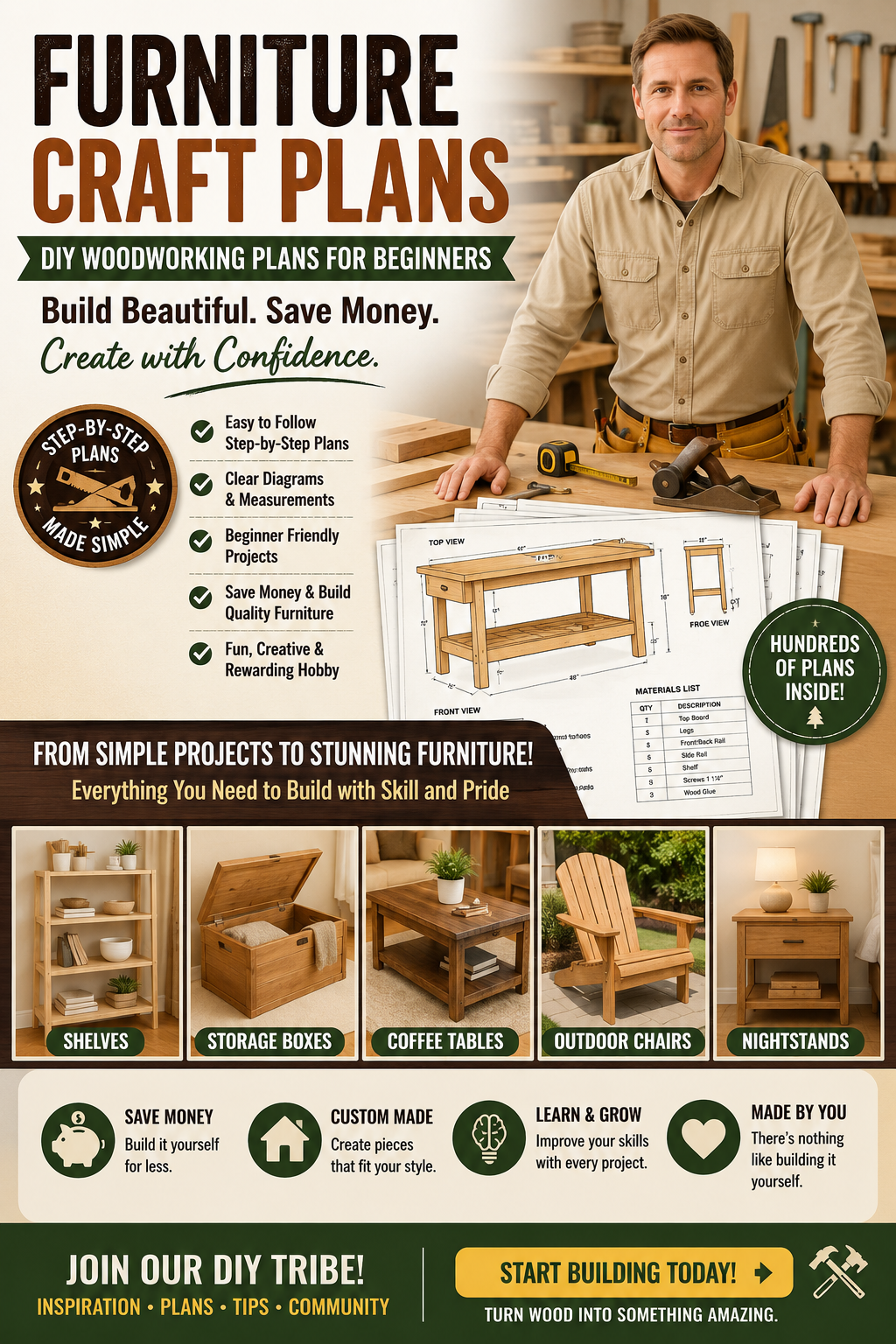
🌿 The Ultimate Guide to Building Your Own Aquaponics System: Sustainable Gardening for the Future 🐟

Build Your Own Aquaponics System: Step-by-Step Guide. By: Marvin Gandis

Imagine a garden where there’s no need to worry about weeds, soil pests, or even watering schedules. A garden that not only thrives with minimal effort but also produces fresh, delicious vegetables and healthy fish. Welcome to the world of aquaponics—a sustainable, eco-friendly method of gardening that combines aquaculture (raising fish) with hydroponics (growing plants without soil). In this article, we’ll guide you step-by-step on how to build your own aquaponics system at home, bringing you one step closer to self-sufficiency and a greener lifestyle. 🌱🏡


What is Aquaponics? 🤔

Aquaponics is a revolutionary approach to gardening that integrates fish farming and plant cultivation into one harmonious system. The waste produced by the fish is broken down by beneficial bacteria into nitrates and nitrites, which are then absorbed by the plants as nutrients. In turn, the plants purify the water, which is recirculated back to the fish tank. This closed-loop system not only conserves water but also produces food in a highly efficient and sustainable manner. ♻️💧


Why Choose Aquaponics? 🌏

  • Sustainability: Aquaponics uses up to 90% less water than traditional farming methods, making it ideal for water-scarce regions. 💧
  • No Soil Required: Say goodbye to weeding, soil-borne pests, and tilling. Plants grow directly in water, supported by a growing medium like gravel or clay pebbles. 🪨
  • Year-Round Harvest: With indoor setups, you can grow food all year long, regardless of the season. ❄️☀️
  • Chemical-Free: The system naturally balances itself, eliminating the need for chemical fertilizers or pesticides. 🐞
  • Dual Production: You get fresh vegetables and fish, making it a versatile and productive system. 🥦🐟

Step 1: Planning Your Aquaponics System 📝

Before you start gathering materials, it’s crucial to plan your system based on your available space, budget, and goals.

  • Location: Decide whether your system will be indoors or outdoors. Consider factors like sunlight, temperature, and accessibility. 🏠🌞
  • System Size: Smaller systems (around 50-100 gallons) are perfect for beginners, while larger setups offer more food production. 📏
  • Fish and Plants Selection: Choose fish that are hardy and adaptable, like tilapia or goldfish. For plants, leafy greens, herbs, and tomatoes thrive in aquaponic environments. 🐠🌿🍅

Step 2: Gathering Materials 🛠️

To build a basic aquaponics system, you’ll need the following:

  1. Fish Tank: This will house your fish. Choose a size based on your space and how many fish you plan to raise. 🐟
  2. Grow Bed: Positioned above the fish tank, this bed will hold your plants. It should be sturdy enough to support your chosen growing medium. 🌱
  3. Water Pump: To circulate water from the fish tank to the grow bed. 🚰
  4. Grow Media: Gravel, clay pebbles, or lava rock to support plant roots and filter water. 🪨
  5. Piping and Fittings: To connect the water pump and manage water flow. 🚿
  6. Air Pump (Optional): To increase oxygen levels in the water, benefiting both fish and plants. 💨

Step 3: Building the System 🧰

1. Set Up the Fish Tank:

  • Place your fish tank in the chosen location. Install the water pump inside the tank, ensuring it’s powerful enough to move water up to the grow bed. 📍

2. Position the Grow Bed:

  • Secure the grow bed above the fish tank. Fill it with your grow media, which will support plant roots and act as a biofilter. 🔧

3. Connect the Piping:

  • Use PVC pipes to connect the water pump to the grow bed. Ensure there’s a way for water to flow back into the fish tank, either through a siphon or a simple drain. 🔗

4. Cycle the System:

  • Before adding fish and plants, the system needs to be cycled. This process, which can take 4-6 weeks, involves building up beneficial bacteria that convert fish waste into nutrients for the plants. Regularly test the water for ammonia, nitrites, and nitrates to ensure a healthy environment. ⏳🧪

Step 4: Stocking and Planting 🌿🐠

1. Add the Fish:

  • Start with a small number of fish to avoid overwhelming the system. Monitor their health and adjust feeding as necessary. 🐡

2. Plant Your Crops:

  • Insert seedlings or seeds into the grow bed. Ensure they are evenly spaced to allow for proper growth. 🌱

Step 5: Maintaining Your Aquaponics System 🔄

  • Feed the Fish: Provide high-quality food appropriate for your fish species. Be careful not to overfeed, as excess food can lead to water quality issues. 🍽️
  • Monitor Water Quality: Regularly test the water for key parameters like pH, ammonia, nitrites, and nitrates. Adjust as needed to maintain a balanced system. 💧🔬
  • Harvest Plants: As your plants grow, harvest them regularly to encourage continued production. Replace harvested plants with new seedlings to keep your system productive. 🥬✂️
  • Check Equipment: Periodically inspect pumps, pipes, and other equipment to ensure everything is functioning smoothly. ⚙️

Common Challenges and Solutions 🛠️

While aquaponics is relatively low-maintenance, you may encounter some challenges:

  • Algae Growth: Algae can compete with plants for nutrients. Reduce light exposure to the fish tank and consider adding algae-eating fish like plecostomus. 🦠➡️🐟
  • Pest Control: While aquaponics is less prone to pests, occasional outbreaks can occur. Use organic pest control methods, such as neem oil or introducing beneficial insects like ladybugs. 🐞
  • System Imbalance: If water quality parameters are off, it could indicate an imbalance in the system. Adjust feeding, add more plants, or increase water circulation to restore balance. ⚖️

The Future of Sustainable Gardening 🌿🌎

Aquaponics represents the future of sustainable gardening, offering a viable solution to many of the challenges faced by traditional agriculture. Whether you’re looking to reduce your environmental impact, grow your own food, or simply explore a new hobby, building your own aquaponics system is a rewarding and impactful way to contribute to a greener world. 🌱✨


Conclusion 🏁

Incorporating aquaponics into your lifestyle not only provides fresh, organic produce but also promotes sustainability and resource conservation. With the right planning and maintenance, you can create a thriving ecosystem that supports both plant and fish life, all while reducing your environmental footprint. Start your aquaponics journey today and enjoy the fruits (and fish!) of your labor for years to come. 🌿🐟🥦


Ready to dive into the world of aquaponics?

Visit our website for more detailed guides, tips, and community support to help you build and maintain your own sustainable garden.

Let’s grow together! 🌱💚

Publicado en DIY Projects, Home Improvement, Woodworking

How to Build Your Own CNC Machine with DIY Smart Saw 🛠️

If you’ve ever dreamed of creating intricate woodwork designs or custom DIY projects, but the high cost of a professional CNC machine has held you back, you’re not alone. CNC (Computer Numerical Control) machines are powerful tools that can bring your creative visions to life with precision and ease. However, the price tag—often running into tens of thousands of dollars—can be prohibitive for most hobbyists and small-scale creators. Enter the DIY Smart Saw program, a revolutionary guide that shows you how to build your own CNC machine using affordable, readily available parts.

In this article, we’ll explore the benefits of the DIY Smart Saw, how it works, and why it could be the perfect addition to your DIY arsenal. Whether you’re a seasoned woodworker or a curious beginner, this guide will help you unlock new possibilities without breaking the bank.

What is the DIY Smart Saw? 🤔

The DIY Smart Saw is a comprehensive, step-by-step program designed to help you build a fully functional CNC machine at a fraction of the cost of a commercial unit. With detailed instructions and a list of affordable materials, the DIY Smart Saw makes it possible for anyone with basic technical skills to construct their own CNC woodcarving machine.

Unlike professional CNC machines, which can cost tens of thousands of dollars, the DIY Smart Saw can be assembled for a few hundred dollars. This means that even if you’re on a budget, you can still enjoy the precision and versatility of a CNC machine for your woodworking projects.

Why Choose the DIY Smart Saw? 🌟

1. Cost-Effective 💸

One of the biggest advantages of the DIY Smart Saw is its affordability. Professional CNC machines can cost anywhere from $2,000 for a used unit to over $10,000 for a new one. The DIY Smart Saw, on the other hand, allows you to build a machine for a fraction of that cost. This makes it an ideal option for hobbyists, small business owners, and anyone looking to get into CNC woodworking without a hefty investment.

2. Personalization and Flexibility 🛠️

With the DIY Smart Saw, you’re not just building a machine; you’re creating a tool that’s tailored to your specific needs. Whether you want to carve intricate designs, create custom furniture, or craft unique gifts, the DIY Smart Saw gives you the flexibility to bring your ideas to life. Plus, since you build the machine yourself, you have the freedom to modify and upgrade it as your skills and projects evolve.

3. Satisfaction of DIY Creation 😊

There’s something incredibly rewarding about building something with your own hands. The DIY Smart Saw isn’t just a tool—it’s a project in itself. As you assemble the machine, you’ll gain a deeper understanding of how CNC technology works, boosting your confidence and technical skills. And when you see your machine in action, carving out your first design, the sense of accomplishment will be unparalleled.

4. Easy to Follow 📚

The DIY Smart Saw program is designed with beginners in mind. The instructions are clear, detailed, and easy to follow, even if you have little to no experience with electronics or woodworking. The program also includes helpful tips and troubleshooting advice to ensure that your build goes smoothly from start to finish.

How Does the DIY Smart Saw Work? 🖥️

The DIY Smart Saw is essentially a CNC woodcarving machine that you build yourself using common materials and components. Here’s a brief overview of how it works:

  1. Design Your Project: Using CAD (Computer-Aided Design) software, you can create or download the design you want to carve.
  2. Set Up the Smart Saw: Follow the program’s instructions to build your CNC machine using affordable parts. The DIY Smart Saw program provides a complete list of materials and tools you’ll need, along with step-by-step assembly instructions.
  3. Load Your Design: Once your machine is set up, load your design into the CNC software. The software will convert your design into a series of instructions that the machine can follow.
  4. Start Carving: Place your wood or material of choice on the machine’s work surface, press start, and watch as the DIY Smart Saw carves out your design with precision and accuracy.

Who Should Use the DIY Smart Saw? 🎯

The DIY Smart Saw is perfect for a wide range of users, including:

  • DIY Enthusiasts: If you love building things and taking on new projects, the DIY Smart Saw will be right up your alley.
  • Woodworkers: Whether you’re a professional woodworker or a weekend hobbyist, the DIY Smart Saw offers a cost-effective way to expand your capabilities.
  • Small Business Owners: If you run a small woodworking or crafts business, the DIY Smart Saw can help you produce high-quality products without a huge upfront investment.
  • Tech-Savvy Creators: If you enjoy working with technology and want to explore the world of CNC machining, the DIY Smart Saw is an excellent starting point.
  • Cost-Conscious Consumers: If you’re on a budget but still want to create professional-quality projects, the DIY Smart Saw provides an affordable alternative to expensive commercial machines.

Conclusion: Unleash Your Creativity with the DIY Smart Saw 🚀

The DIY Smart Saw is more than just a machine; it’s a gateway to a world of creativity and innovation. By building your own CNC machine, you’ll not only save money but also gain a deeper understanding of how these powerful tools work. Whether you’re looking to enhance your woodworking skills, start a small business, or simply take on a new DIY challenge, the DIY Smart Saw offers the perfect blend of affordability, flexibility, and satisfaction.

So why wait? Dive into the world of CNC woodworking and start creating custom, professional-quality projects today with the DIY Smart Saw!

Additional Resources:

  • DIY Smart Saw Official Website: [Click Here ]
  • Popular CNC Design Software: Explore CAD tools to start designing.
  • Join the DIY Community: Connect with fellow creators and share your projects online.

If you have any questions or need more information, feel free to reach out in the comments below!

Happy crafting! ✨